
Tampa Bay is not one fishery. It is a wide, shallow estuary with urban piers on one side, mangrove shoreline on another, and open Gulf water a short run past the bridge. That range is why local anglers keep a mental list of spots instead of a single favorite. Fishing maps for the Tampa area list hundreds of locations, and the variety explains why two people can fish the same weekend and come home with completely different stories.
How Many Tampa Fishing Spots Are There, Really?
Fishing map resources for Tampa list 1,364 spots, 62 fish species, 7 lakes, and 2 rivers within the area they cover. That number includes everything from roadside canals to artificial reefs offshore, so it is more useful as a sense of scale than a checklist. You will not fish 1,364 spots. What the number does show is that the water around Tampa holds a lot of different kinds of structure, and each kind tends to favor a different approach.
Structure is the thread that ties the list together. Bridges and piers hold fish because they create shade, current breaks, and hard surface. Oyster bars and rock piles do the same on a smaller scale. Artificial reefs do it offshore. Once you recognize the pattern, picking a spot comes down to how far you want to travel and whether you have a boat.
Pier and Shoreline Spots in and Around Tampa
Anglers without a boat have a genuine list of options here. Local fishing coverage regularly names the Ballast Point Park fishing pier, Picnic Island Park, E.G. Simmons Park, the Little Manatee River, and the Tampa Bypass Canal as productive fisheries near the city. Each one fishes differently, so it helps to know what you are walking into.
Ballast Point Park Fishing Pier
The Ballast Point Park fishing pier is a straightforward, accessible option on the Tampa side of the bay. Piers concentrate bait, and bait concentrates predators, so a pier like this can produce even when the surrounding flats look empty. Fish it on moving water. A slack tide on a pier is usually a slow tide, and the same pier can feel like a different place once the current picks up.
Picnic Island Park and E.G. Simmons Park
Picnic Island Park and E.G. Simmons Park both offer shoreline access with room to spread out, which matters if you are carrying more than a single rod. These are parks first and fishing spots second, so expect company on weekends and plan your casts around other people rather than through them. Walk the bank before you settle. Shoreline spots often have one small stretch that holds fish better than the rest, usually where the bottom changes or a point breaks the current.
Little Manatee River and the Tampa Bypass Canal
The Little Manatee River and the Tampa Bypass Canal add freshwater and brackish water to the mix. These are a good change of pace when wind makes the open bay unpleasant, since a river or canal gives you protected water and a defined bank to fish along. Treat them as their own fishery rather than a fallback. Current, fallen structure, and shaded banks all matter more in narrow water than they do out on the flats.

Bridges, Oyster Bars, and Rock Piles
Bridges and piers, oyster bars, and rock piles are all named as prime places to target fish in Tampa Bay. The reasoning is consistent across all three: hard structure attracts bait, and bait attracts the fish you actually want. Bridges add current, which positions fish predictably. Oyster bars and rock piles add ambush cover on otherwise flat bottom.
The Gandy Bridge and the Sunshine Skyway come up often in local fishing conversations, and not always with glowing reports. One Tampa Bay boater noted fishing the Gandy Bridge, the Skyway, and Egmont Key with minimal success, and said the only consistent producer they had found was a power plant discharge. That is a useful reality check. A bridge on a map is not a guarantee. Tide, bait presence, and boat position all determine whether the same bridge fishes well or poorly on a given day.
Boat-Based Tampa Bay Fishing Spots
With a boat, the list opens up considerably. Egmont Key sits at the mouth of the bay and gives access to deeper water and nearshore structure. Channel markers hold fish and are easy to locate on the way out. Nearshore reefs add hard bottom where the bay otherwise flattens out.
Man-made reefs are documented in the Boating and Angling Guide to Tampa Bay, which lists structures including the St. Pete Beach Reef and the St. Petersburg Bay Reef. Coordinates for these reefs appear in that guide, so it is the reference to pull before you run offshore. Do not rely on a remembered number. Reef lists get updated, and a verified coordinate is worth more than a guess.
Flats, Reefs, and Species Like Cobia
Flats and reef fishing get grouped together in Tampa Bay because they sit close to one another. Local charter reporting describes chasing cobia from channel markers to nearshore reefs, which illustrates how one fish can pull you across several kinds of structure in a single trip. Cobia are documented as a Tampa Bay target. Beyond that, the area’s fishing maps list dozens of species, so check current species information and regulations with the Florida Fish and Wildlife Conservation Commission before you keep anything.
Tampa Fishing Spots at a Glance
The table below is a quick reference for the spots covered above. It is not a ranking. Which one is best depends on the tide, the wind, and whether you are fishing from a bank, a pier, or a boat.
| Spot | Water type | Why it is worth a look |
|---|---|---|
| Ballast Point Park fishing pier | Urban pier | Pier structure concentrates bait in a fixed, accessible spot |
| Picnic Island Park and E.G. Simmons Park | Park shoreline | Bank access with room to spread out |
| Little Manatee River and Tampa Bypass Canal | River and canal | Protected water when the open bay is rough |
| Gandy Bridge and Sunshine Skyway | Bridge structure | Current and shade, though results vary by day |
| Egmont Key | Mouth of the bay | Deeper water and nearshore structure |
| St. Pete Beach Reef and St. Petersburg Bay Reef | Artificial reef | Hard bottom offshore, with coordinates in the state boating guide |

What a First-Time Boat Owner Should Know About Tampa Spots
Public fishing forums fill up with first-time boat owners asking where to go. The honest answer is that boat ownership changes the question. From shore, you pick a spot and fish it. From a boat, you pick conditions and then find structure that matches them.
- Check the tide and wind before choosing a launch. Tampa Bay chops up fast when wind opposes tide.
- Start with structure you can see: channel markers, bridges, and reef buoys.
- Keep a log of what produced and what did not, including tide stage and water clarity.
- Verify reef coordinates against the official boating and angling guide rather than a screenshot.
That last point matters more than it sounds. A boat gives you access to more spots than you can learn in a season, and the anglers who do well tend to be the ones who revisit a handful of locations under different conditions instead of racing to a new one every trip.
Matching Gear to the Spot You Choose
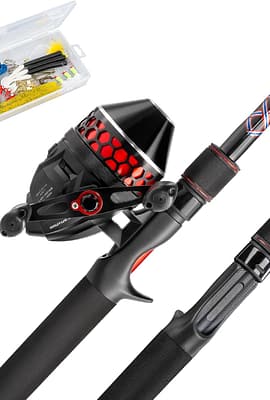
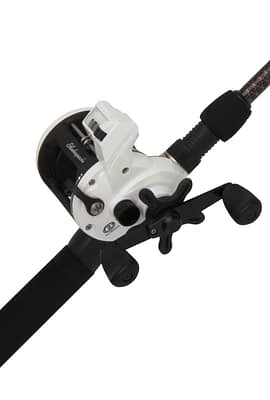
Pier fishing and offshore reef fishing do not ask for the same tackle. A pier session usually calls for a rod you can cast and manage from a fixed position. Reef fishing from a boat rewards a setup that can handle heavier weight and deeper water. Line choice shifts too, with braid offering sensitivity around structure and monofilament offering stretch and forgiveness.
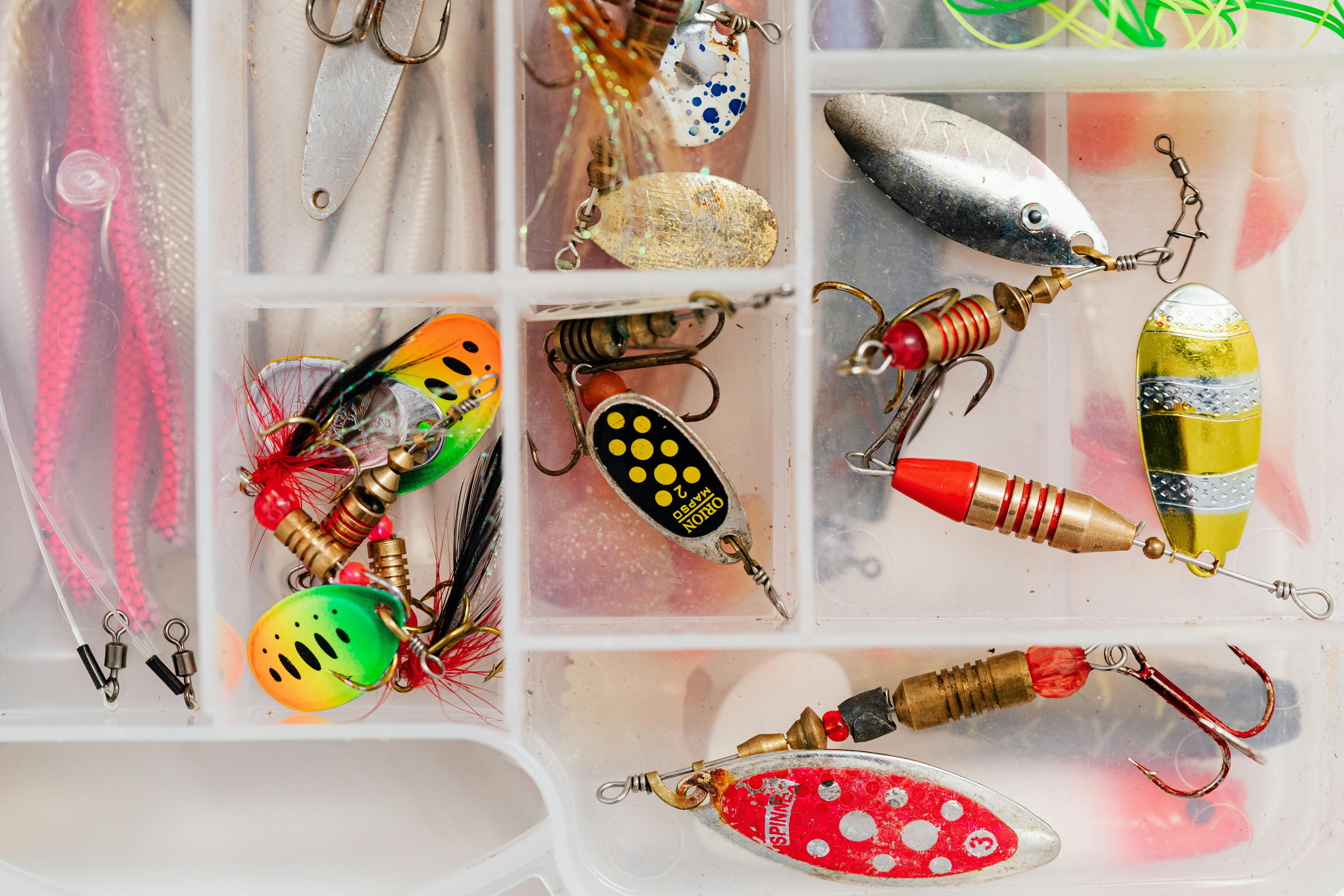
Build the kit around the water you actually fish most. If most of your trips start on a pier, put your budget there. If you are running to nearshore reefs, spend it on line and terminal tackle that survive abrasion against hard bottom. Fish Lizard lists rods, reels, combos, lures, line, and boat supplies across brands, which makes it easy to compare options before heading out.
Before You Go
Confirm current rules with the Florida Fish and Wildlife Conservation Commission, since size and bag limits change and a 2026 guide cannot substitute for the official source. Check the weather and tide, pick water that matches the wind, and take the time to walk or idle past a spot before committing to it. Tampa’s fishing spots are not secrets. The advantage comes from fishing the right one on the right day.
Frequently Asked Questions
Where can I fish from shore in Tampa?
Ballast Point Park’s fishing pier, Picnic Island Park, and E.G. Simmons Park are all named among the top fisheries near Tampa, and the Little Manatee River and Tampa Bypass Canal add brackish water options. All of these give bank or pier access without a boat. Check park hours and any posted rules before you go, since access details can change.
Do I need a boat to catch fish in Tampa Bay?
No. The bridge and pier structure around Tampa Bay is reachable from land, and piers concentrate bait in a way that helps shore anglers. A boat simply widens your options to include Egmont Key, channel markers, and nearshore reefs. Plenty of fish are caught within casting distance of a shoreline.
What fish can I target around Tampa?
Fishing maps for the Tampa area list 62 fish species across the region’s lakes, rivers, and bay water. Cobia are specifically documented as a Tampa Bay target, often around channel markers and nearshore reefs. Confirm current species regulations with the Florida Fish and Wildlife Conservation Commission before keeping any fish.
Are the artificial reefs near Tampa marked?
Reefs such as the St. Pete Beach Reef and the St. Petersburg Bay Reef appear in the Boating and Angling Guide to Tampa Bay, which lists coordinates for structures in the bay. Use that guide as your reference rather than a remembered number, and verify positions before running offshore.
Which Tampa bridge is best for fishing?
There is no single answer. The Gandy Bridge and the Sunshine Skyway both come up in local discussion, but one Tampa Bay boater reported minimal success at both along with Egmont Key. Bridges fish best when current is moving and bait is present, so tide matters more than which bridge you choose.