
Tampa Bay is one of the friendlier places in Florida to learn how to fish. The water stays reachable from shore in a lot of places, the inshore species list is short enough to learn quickly, and there is deep water close by when you want to try something bigger. A new angler can spend a morning casting from a bridge or pier, an afternoon working mangrove edges, and still have offshore options waiting for a later trip.
This guide sticks to what local fishing reports and area resources consistently point to: structure fishing around bridges, piers, oyster bars and rock piles, mangrove shorelines, and the deeper water of the bay and beyond. If you are still building your first setup, the notes on gear and approach near the end will help you avoid the most common beginner mistakes.
Why Tampa Bay Suits New Anglers
The bay offers three distinct kinds of fishing within a short distance of each other. Inshore water holds snook, redfish and trout. Deep areas of the bay and the water outside it hold Spanish mackerel, tunny, cobia, jacks and other pelagics. Offshore, the Tampa area is known for a large number of marked fishing spots, with resources listing more than 490 offshore locations with GPS coordinates starting around a mile offshore and running out to the Tampa Elbow.
That range matters for beginners. You do not have to commit to offshore fishing on day one. You can learn how to read current, work structure and handle a fish on the inshore side, then move outward as your confidence and gear improve.
Inshore Spots That Work Well for Beginners
Local reports repeatedly point new anglers toward structure. Fish gather where there is cover, current breaks and food, and structure gives you a target to cast at instead of blind water. Three categories come up again and again in Tampa Bay fishing advice.
Bridges and Piers
Bridges and piers are named among the best places to target fish in the Tampa Bay area, and they are the natural starting point for anyone fishing without a boat. Both give you elevation, stable footing and access to deeper water than you would reach from a flat shoreline. Current sweeping past bridge pilings concentrates bait, and bait concentrates predators.
For a first trip, keep it simple. Fish the edges of the shadow line and the current break rather than the middle of the channel. Watch what other anglers are doing, but leave room between setups. A pier is also a good place to practice casting accuracy before you take those skills to a boat.
Oyster Bars and Rock Piles
Oyster bars and rock piles are the other structure type consistently recommended for Tampa Bay fishing. These are classic inshore ambush points, and they hold fish through a wide range of tides. The tradeoff is that they eat tackle. Expect to lose a few jigs and rigs while you learn where the actual edge of the bar sits.
New anglers should approach slowly and cast along the edges rather than straight into the middle of the structure. If you are wading or fishing from a boat, give the bar enough space that you are not spooking fish before your lure lands. Once you find the productive side of a bar, note the tide stage. That pattern usually repeats.
Mangrove Shorelines and Picnic Island
Mangrove edges are a reliable inshore option around Tampa, and Picnic Island comes up in local discussions as a place to work the mangroves at the end of the island facing MacDill. Anglers there have reported decent catches, though water quality in that area can vary, so treat it as a spot to check conditions on the day rather than a guaranteed producer.
Mangrove fishing rewards quiet approach and accurate casts. Fish sit tight to the roots and overhanging branches, so skipping a lure or dropping a bait close to the edge matters more than casting far. Fish the shade line first, especially when the sun is high.

Deep Bay and Offshore Water
Once you are comfortable inshore, the deeper parts of the bay open up a different fishery. Spanish mackerel, tunny, cobia, jacks and other pelagics show up in deep bay water and offshore, and these fish are faster and often larger than the inshore regulars. They also demand tackle that can handle a running fish and drag that is set properly before the bite.
For beginners, the safest route into this water is with someone experienced. That could be a friend with a boat or a licensed guide. Offshore spots are well documented, with GPS coordinates available for hundreds of locations from roughly a mile out to the Tampa Elbow, but having numbers on a screen is not the same as knowing how to position a boat, read a wreck or handle weather that turns quickly. Build that knowledge before you run far from shore on your own.
Species and Where to Look for Them
The table below groups the species most often mentioned in Tampa Bay fishing reports with the water type where new anglers are most likely to encounter them.
| Species | Water Type | Beginner Notes |
|---|---|---|
| Snook | Inshore | Structure-oriented fish that rewards accurate casting along edges and shade lines |
| Redfish | Inshore | Reports describe redfishing as strong in the Tampa Bay area |
| Trout | Inshore | Described as being present in large numbers throughout the bay |
| Spanish mackerel | Deep bay and offshore | Fast fish that calls for heavier tackle than the inshore setup |
| Tunny, cobia, jacks, pelagics | Deep bay and offshore | Better suited to anglers with boat experience or a guide on board |

Areas Around the Bay Worth Adding to Your List
Local area fishing reports cover Tampa Bay in sections, which is a useful habit to copy. Report zones commonly listed include Clearwater, St. Petersburg, Anna Maria Island, Bradenton, Sarasota Bay and Lower Tampa Bay. Each has its own character, and reading the report for the zone closest to where you plan to fish will tell you more than a generic statewide outlook.
For a new angler, the practical benefit is choosing water that matches your access. If you are fishing from shore, pick a zone with public structure and fish it repeatedly instead of driving around the region. Learning one bridge or one shoreline across different tides will teach you more than visiting five spots once each.
Gear Notes for a First Tampa Trip
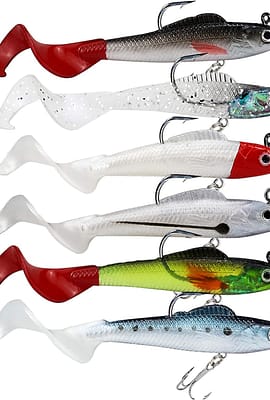
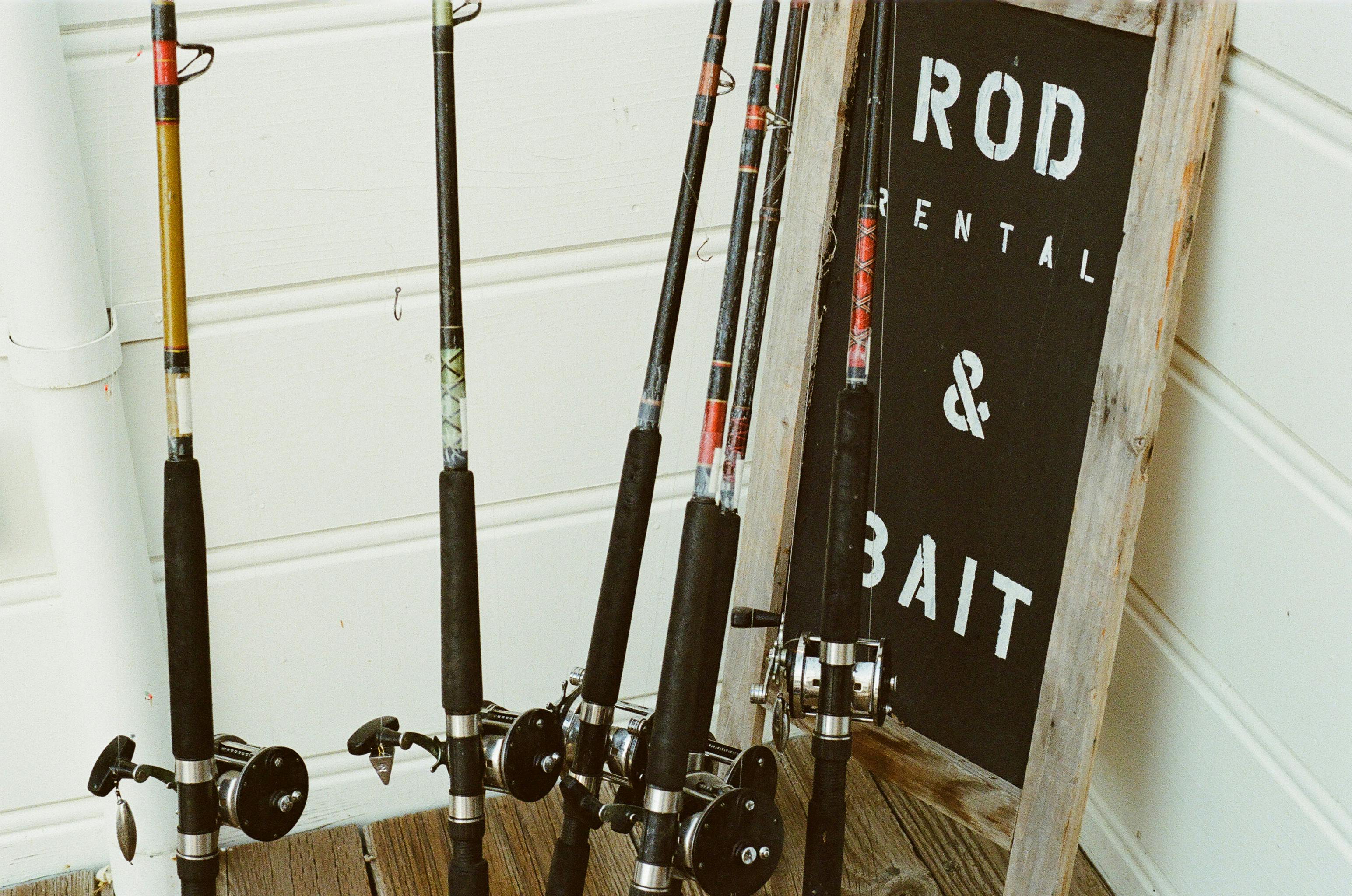
Most beginner setups in Tampa Bay fall into two buckets: a lighter inshore rod for snook, redfish and trout, and a heavier outfit for mackerel, jacks and anything offshore. A medium spinning combo with braided main line, a fluorocarbon leader and a small selection of jigs and soft plastics covers a lot of inshore ground. Add a heavier rod only when you plan to chase the faster deep-water species.
Bring more terminal tackle than you think you need. Oyster bars and rock piles are hard on line and jigs, and losing a handful of rigs on a rising tide is normal. Pliers, a line cutter, sun protection and a way to carry water matter more on a long shore session than another box of lures.
Before you keep anything, check the current state fishing rules for the species you are targeting and confirm size and bag limits for the area you are fishing. Regulations change, so verify them with the responsible state agency rather than relying on a forum post or an old printout.
Simple Habits That Improve a Beginner Trip
- Fish moving water. Current against structure is what concentrates fish.
- Pick one spot and learn it across a full tide cycle instead of spot hopping.
- Cast past your target and bring the lure through the strike zone rather than landing on top of it.
- Keep your distance from other anglers on piers and bridges, and give boats room at the ramp.
- Log what worked: tide stage, water clarity, lure and where the fish hit.
Those five habits do more for a new angler than any single piece of equipment. Tampa Bay rewards repetition and observation, and the anglers who catch consistently are usually the ones who have fished the same bridge or flat dozens of times.
Frequently Asked Questions
What fish can a beginner catch in Tampa Bay?
Inshore anglers usually start with snook, redfish and trout, and reports describe trout as widespread throughout the bay with redfishing running strong. Deeper bay water and offshore grounds add Spanish mackerel, tunny, cobia, jacks and other pelagics, though those species are better tackled once you have some experience or a guide on board.
Can you fish Tampa Bay without a boat?
Yes. Bridges and piers are consistently named among the best places to target fish in the Tampa Bay area, and both are accessible from land. Oyster bars, rock piles and mangrove shorelines also give shore-based anglers productive water, provided you can reach them safely and legally. Start with public structure close to home.
Where are the offshore fishing spots near Tampa?
Offshore resources list more than 490 fishing spots with GPS coordinates in the Tampa area, beginning around a mile offshore and extending out to the Tampa Elbow. Those numbers are useful, but beginners should run them with an experienced captain or guide first, since boat handling, weather and positioning matter as much as the coordinates.
Is Picnic Island a good spot for new anglers?
Anglers have reported decent catches working the mangroves at the end of Picnic Island facing MacDill. Water quality in that area can vary, so check conditions before you commit to a session. Treat it as one option among several mangrove shorelines around the bay rather than a guaranteed stop.
What should a first-time Tampa angler bring?
A medium spinning combo, braided line, a fluorocarbon leader and a small box of jigs and soft plastics will cover most inshore situations. Add pliers, a line cutter, sun protection and water. Bring extra terminal tackle, because oyster bars and rock piles take a toll on rigs, and verify current regulations before keeping fish.