
Clearwater packs a lot of fishable water into a small stretch of coastline. Behind the white sand beaches you have the passes, the jetties, and the shallow bay edges. In front of them, the Gulf opens up into reefs, wrecks, and deeper water where bigger fish live. That range is why a local angler can work a jetty in the morning, surf cast from a park beach in the afternoon, and still have time left to plan a boat trip to the reefs. The spots below show up again and again in local reports and forum threads, grouped by the kind of water you will be standing in.
The Three Zones of Clearwater Fishing
Most Clearwater fishing conversations sort themselves into three buckets. First is the pass and bridge zone, where moving water funnels bait and predators into tight, castable areas. Second is the beach and park zone, which is the easiest access for families and walk up anglers. Third is the offshore zone, a boat game built around reefs and wrecks. Knowing which zone you are fishing matters more than any single lure choice, because each one asks for different gear and a different approach.
| Spot | Water type | What local sources say |
|---|---|---|
| Clearwater Pass | Inlet and jetty | Productive along the south jetty and under the bridge |
| Pier 60 | Fishing pier | Iconic, family friendly pier fishing |
| Sand Key Park | Beach park | Surf casting for ladyfish, drum, and sheepshead |
| Honeymoon and Caladesi | Mangrove shoreline | Mangroves along the back of both islands |
| South Honeymoon | Jetty and structure | Structure and jetty edges hold fish |
| Rube Allyn Reef | Offshore reef | Named as a go to offshore destination |
| Pinellas 2 Reef | Offshore reef | Large reef with lots of opportunity |
| The Elbow | Offshore structure | Called out as a great place to go |
| Mexican Pride | Shipwreck | About 35 miles out, associated with king mackerel and wahoo |
Clearwater Pass and the South Jetty
Clearwater Pass is the first stop for a lot of shore anglers, and local discussions single out the south jetty as the productive side. The pass acts as a funnel. Water moves through it, bait gets pushed along the rocks, and predator fish set up where they can ambush whatever gets swept past. That makes the jetty a natural casting platform, and it also makes it a spot where reading the current matters more than casting distance.
Working the Jetty Rocks
Fishing a rock jetty is mostly about covering water without losing gear. Work parallel to the rocks first, then fan out toward open water. Soft plastics on jig heads and swimming baits are easy to keep in the strike zone, and they let you probe different depths on the same cast. Bring more terminal tackle than you think you need, because rock structure claims rigs. A braided main line with a fluorocarbon leader gives you the abrasion resistance to pull a fish away from the rocks without a long fight.
The Shadow Line Under the Bridge
Fishing under the bridge at Clearwater Pass is a well known option, and it pairs naturally with the jetty. Bridges cast shade and create edges, and fish relate to those edges the same way they relate to a jetty tip. Anglers working the bridge area typically do best by keeping presentations tight to structure and staying ready for a hookset near the pilings. Watch where other anglers are set up before you claim a spot, and give everyone room for a back cast.

Beach Fishing at Pier 60 and Sand Key Park
Not every trip needs a boat or a rock jetty. Family friendly fishing abounds at piers like the iconic Pier 60, and parks such as Sand Key Park offer surf casting right off the sand. Pier 60 gives you a railing, a known depth, and a crowd that usually knows where the fish are holding. Sand Key Park gives you open beach and the freedom to move until you find a trough or a cut that looks right.
What Bites in the Surf
Surf casting at Sand Key Park produces ladyfish, drum, and sheepshead according to local spot roundups. Those three fish behave very differently, which is a good argument for carrying more than one presentation. Ladyfish chase fast moving baits and put on a jumping fight. Drum and sheepshead work closer to the bottom and around structure, so a bait fished slowly near the sand or near a jetty edge makes more sense for them. A simple two rod setup, one soaking bait and one working a lure, covers both styles.
Mangroves and Structure Around Honeymoon and Caladesi
The back sides of Honeymoon Island and Caladesi Island are lined with mangroves, and that shoreline is one of the more reliable inshore patterns near Clearwater. Mangrove roots hold bait, shade, and small predators, and bigger fish patrol the edges. The water back there is shallow, so quiet approaches and accurate casts beat long, hopeful bombs.
South Honeymoon Structure and Jetty
Local inshore discussions also point to the structure and jetty on south Honeymoon as a spot worth working. A jetty edge plus a mangrove shoreline in the same general area is a useful combination, because you can fish one and then move to the other as the water changes. Keep the boat or kayak off the flat and cast toward the edge rather than running over it, and you will spook fewer fish.
Offshore: Reefs, Wrecks, and the Elbow
Once you leave the beach behind, Clearwater turns into a reef and wreck fishery. Local offshore threads name Rube Allyn Reef and The Elbow as go to destinations, and Pinellas 2 Reef comes up as a huge area with lots of opportunities for fish. Those reefs spread the fleet out and give boat anglers options when the weather or the bite changes.
Wreck fishing is a separate game. The Mexican Pride is a shipwreck sitting about 35 miles out, and it is associated with king mackerel and wahoo. That distance is a real run, so it belongs on a settled weather day with a full fuel plan. One useful clarification from local reef talk: snook are inshore fish and are not found offshore on the reefs. If snook are your target, stay in the pass and along the mangroves.

Booking a Charter Instead of Running Your Own Boat
If you do not have a boat, or you want a shortcut to the reefs, Clearwater has a deep bench of charter options. Queen Fleet Deep Sea Fishing, 2 Shea Charters, Fish Tampa Flats, FishEye Sportfishing, and Reel Deal Sportfishing all appear among the area charter listings. The mix matters, because a flats charter and a deep sea trip fish completely different water. Decide whether you want inshore mangroves and passes or offshore reefs and wrecks, then pick the operator that matches.
Gear That Fits These Spots
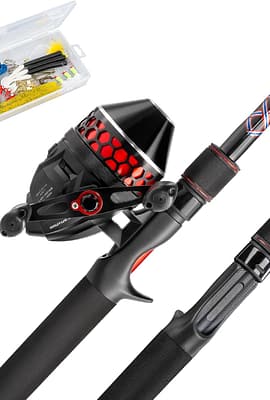
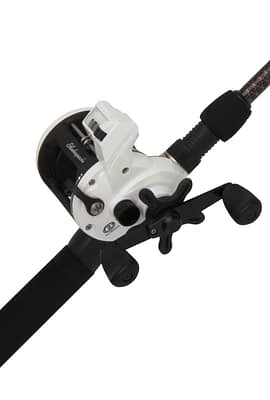
The pass, the beach, and the reefs ask for different tackle, and a single trip can touch more than one of them. A medium spinning combo loaded with braid covers jetty and bridge work, and a fluorocarbon leader handles the abrasion. For surf casting at Sand Key Park, a longer rod and a bait rig let you reach past the shorebreak. Offshore, heavier conventional gear is the norm for king mackerel and wahoo around wrecks like the Mexican Pride.
Lure selection follows the same logic. Soft plastic swimbaits and jig heads are the workhorses for pass and jetty fishing. Topwater baits earn their place over mangroves early and late. Crankbaits and swimming plugs cover water when you are searching. Fish Lizard lists rods, reels, line, lures, and boat supplies in one place, which makes it easier to fill the gaps in a three zone tackle plan without hunting through separate stores.

Check Reports Before You Commit
Clearwater has weekly fishing reports that come straight from the cameras and eyes of local guides, and they are the fastest way to see what is actually happening on the water. Pair a fresh report with your own look at the wind and the tide, and you can decide between the pass, the beach, and the reefs in a few minutes. Before any trip, confirm current licensing and bag rules with the proper Florida wildlife authority, since those details can change and are not covered here.
Frequently Asked Questions
Can you fish from shore in Clearwater without a boat?
Yes. Piers, parks, passes, jetties, and bridges give shore anglers plenty of access. Pier 60 and Sand Key Park are the family friendly picks, while Clearwater Pass fishes well along the south jetty and under the bridge. Check current licensing rules with Florida wildlife officials before you go.
What fish can I catch surf fishing at Sand Key Park?
Surf casting at Sand Key Park produces ladyfish, drum, and sheepshead according to local spot roundups. Those three feed very differently, so bring a mix. Ladyfish chase fast moving offerings, while drum and sheepshead feed closer to the bottom and around structure. One bait rod and one lure rod covers both approaches.
Do snook live on the offshore reefs near Clearwater?
No. Local reef discussions point out that snook are inshore fish and are not found offshore on the reefs. Look for them in the passes, around jetty and bridge structure, and along mangrove shorelines such as the back of Honeymoon and Caladesi. The reefs are better known for other species.
How far offshore is the Mexican Pride shipwreck?
The Mexican Pride sits roughly 35 miles out according to local offshore discussions. That distance puts it in serious boat territory rather than a quick run, so plan fuel, weather, and a backup option before committing. Anglers associate the wreck with king mackerel and wahoo, which means heavier tackle than inshore fishing.
Where can I find current Clearwater fishing reports?
Weekly fishing reports for Clearwater are published from the perspective of local guides, and they are a practical way to see what is biting before you pick a spot. Read a recent report, then compare it with the wind and water forecast for the day you plan to fish. That combination usually narrows the choice quickly.