Tampa Bay covers a lot of ground, and that is exactly why it keeps showing up in conversations among anglers looking for reliable water. The bay itself, the rivers feeding it, the bridges crossing it and the parks lining it all offer different kinds of access, different species and different levels of effort. Some spots work for someone standing on a seawall with one rod. Others make more sense if you have a boat, a kayak or at least a pair of waders.
The locations below come from local recommendations, county park listings and regional fishing resources. Treat them as starting points rather than guarantees. Water conditions, bait movement and access rules shift over time, so confirm current regulations and site details with the managing agency before you plan a trip around any single location.
What Makes Tampa Bay Productive for Inshore Anglers
The strongest case for Tampa Bay fishing is the inshore bite. Local park and recreation listings point to snook, redfish and trout as the headliners along the banks of the bay’s conservation parks, and those three species drive most of the shoreline fishing that happens here. Anglers fishing the area also talk about sheepshead and black drum, both of which show up in the seasonal conversation about where fish hold when the water cools.
Inshore conversations online repeatedly circle back to the same geography. Tampa and Ruskin both come up as areas people fish hard, and the stretch from the upper bay down toward the Gulf beaches holds a wide range of structure. That variety is what keeps the fishing interesting through the year rather than peaking for a few weeks and shutting down.
Bridge and Pier Spots for Anglers Without a Boat
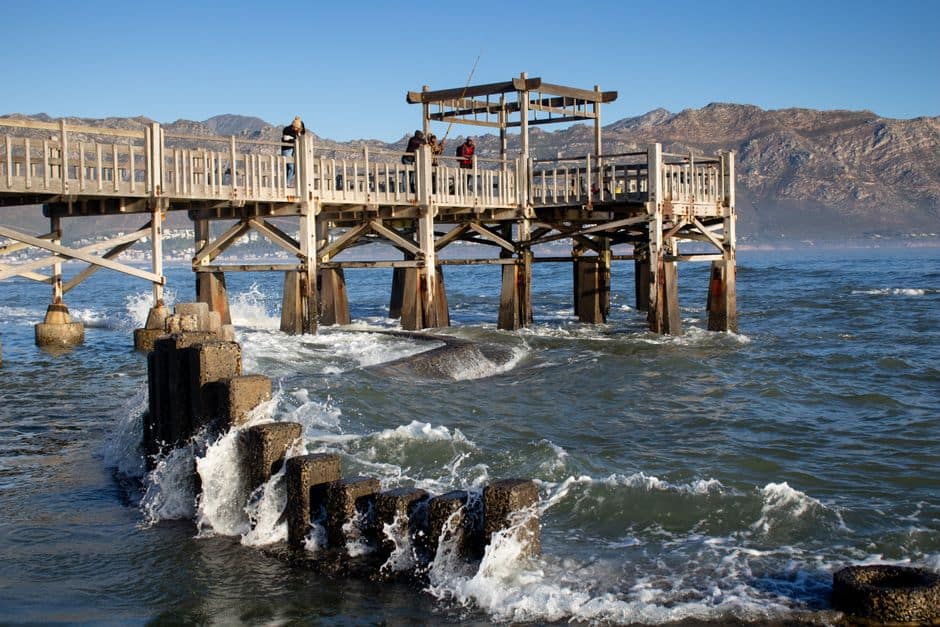
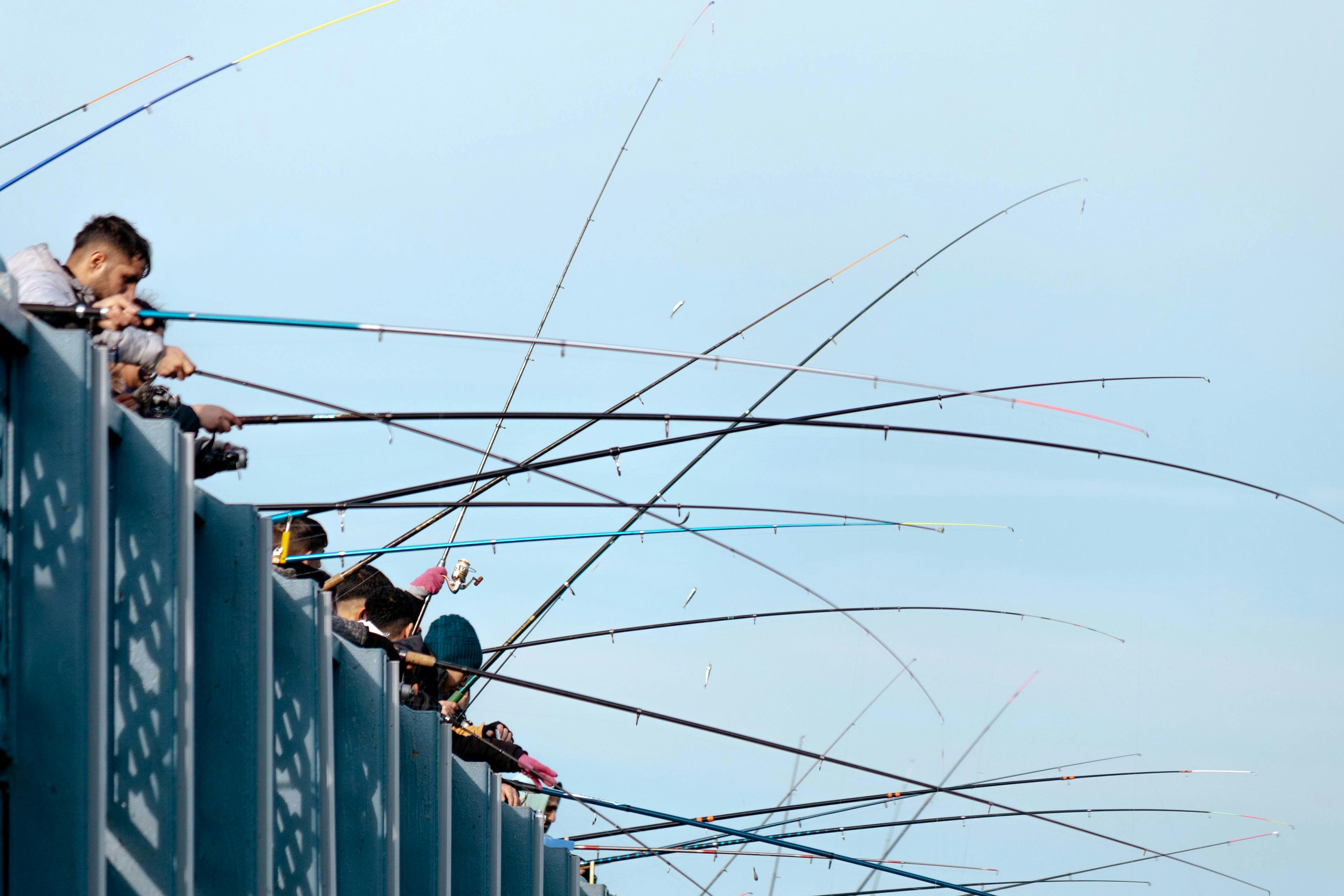
If you do not own a boat, the bridges and piers around Tampa Bay are the most straightforward answer. When anglers in the Tampa area were asked where to fish without a boat, the responses clustered around a handful of well-known structures. The Skyway came up first, with the south pier called out as the better of the options. Gandy Bridge appeared alongside it. Fort De Soto Park also made the list, and it stood out because it offers two piers in addition to wading access and kayak rental options, which means you can fish from the structure or get out on the water without owning anything.
Separate local rankings of fishing spots in and around Tampa also include Ballast Point Park and MacDill Marina among the top entries for the area. Both appear in current listings alongside shoreline parks and conservation areas.
| Spot | Why it comes up |
|---|---|
| Skyway piers | Frequently named as a no-boat option, with the south pier singled out as the better choice. |
| Gandy Bridge | Listed in the same no-boat recommendations as the Skyway. |
| Fort De Soto Park | Two piers, plus wading access and kayak rental options for anglers who want to leave the bank. |
| Ballast Point Park | Appears in local top-ten listings of Tampa fishing spots. |
| MacDill Marina | Also appears in current Tampa fishing spot listings. |
Conservation Parks and Preserves Along the Shoreline
Hillsborough County maintains a string of conservation parks and nature preserves that give anglers legal shoreline access to good water. Upper Tampa Bay Conservation Park and E.G. Simmons Conservation Park are the two most often highlighted for saltwater fishing, and the county’s own material describes the bite along their banks as producing snook, redfish, trout and more. Those two names alone account for a lot of the shoreline fishing pressure in the northern part of the bay.
Other county-managed sites that appear in the same fishing lineup include Apollo Beach Nature Preserve, Dead River Conservation Park and Alderman’s Ford Conservation Park. Each one sits on different water, so the species mix and the amount of bank access vary from site to site. Checking the individual park page before you drive out is the simplest way to avoid surprises about where you can legally wet a line.
Freshwater Spots Within Range of the Bay
Tampa Bay fishing is not only a saltwater story. Lake Tarpon and Edward Medard Reservoir both come up as freshwater destinations with solid bass fishing, and they give anglers a completely different option when wind or tide makes the open bay unpleasant. Freshwater trips also tend to be simpler for anyone learning the area, since you are not reading tides, current or salinity to find fish.
Keeping both options open is practical. A morning that starts with a blown-out bay can still end with bass on the line if you are willing to drive inland instead of calling it a day.
How Cold Water Changes Your Target Species
Seasonal patterns matter more in Tampa Bay than many visitors expect. According to local fishing calendar guidance, when water temperatures drop below roughly 63 degrees, the focus shifts to redfish, black drum, trout and sheepshead holding in deeper water. That is a meaningful change from the warmer months, when fish spread out and shoreline fishing becomes far more productive.
The practical takeaway is simple. In warm water, work the banks and the shallower structure. When a cold snap pushes temperatures down, stop fishing the skinny water and look for deeper holding areas instead. Anglers who adjust to that shift tend to stay on fish through the winter rather than writing off the season.
Waypoint Charts and Maps That Cut Down Search Time
For boat owners, packaged waypoint charts remove a lot of the guesswork. One Tampa Bay waypoint set contains 456 GPS waypoints covering the water from downtown Tampa down to Bradenton, including Anna Maria, St Pete Beach and Treasure Island. A separate Tampa Bay fishing spots resource advertises more than 150 spots across the region. Both are sold as products rather than given away, which is worth knowing before you start looking for a free download.
These charts are not a substitute for reading the water, but they do shorten the learning curve on a bay this size. If you are new to running a boat here, having marked structure to check is far more efficient than idling around hoping to spot something.
Matching Your Gear to Tampa Bay Conditions
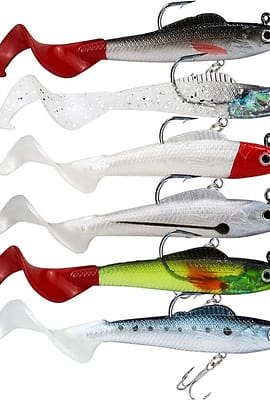
Inshore fishing here mixes finesse presentations with enough power to handle a redfish or snook that decides to head for structure. A medium spinning setup covers most of it, and rod and reel combos from brands like KastKing, PENN and Berkley are common starting points for anglers building a first saltwater kit. Lure selection usually comes down to soft plastic swimbaits on jig heads for working the bottom, plus topwater baits and crankbaits when fish are actively feeding.
Line choice deserves some thought as well. Braided line gives you the sensitivity to feel a soft take and the strength to turn a fish away from pilings, while fluorocarbon leaders help in clear water. If you run a boat, basic maintenance parts like outboard propellers and water pump impeller kits matter just as much as tackle, because a mechanical failure ends a trip faster than a slow bite ever will.
A Short Pre-Trip Checklist
- Confirm current fishing regulations and licensing requirements with the relevant state wildlife agency before you go.
- Check the specific park, pier or preserve page for access details, since these are managed by different agencies.
- Match your target species to water temperature rather than to the calendar alone.
- Bring a backup plan, whether that is a second bridge, a different pier or a freshwater lake inland.
- Keep your tackle organized so you can switch presentations quickly when the bite changes.
Tampa Bay rewards anglers who stay flexible. The spots that get repeated in local recommendations are repeated for a reason, but the difference between a slow morning and a good one usually comes down to adjusting where and how deep you are fishing as conditions change through the day.
Frequently Asked Questions
Where is the best place to fish in Tampa?
There is no single answer, because the best spot depends on whether you have a boat. For shoreline anglers, local recommendations repeatedly point to the Skyway piers, Gandy Bridge and Fort De Soto Park, which offers two piers plus wading and kayak rental options. Ballast Point Park, MacDill Marina, Upper Tampa Bay Conservation Park and E.G. Simmons Conservation Park also appear in current Tampa fishing spot listings.
Is fishing good in Tampa, Florida?
Yes, particularly for inshore species. County park listings describe snook, redfish and trout holding along the banks of Upper Tampa Bay Conservation Park and E.G. Simmons Conservation Park, and sheepshead and black drum enter the picture when water temperatures fall. The bay also supports freshwater bass fishing at Lake Tarpon and Edward Medard Reservoir, so there is a workable option in most conditions.
What fish are biting in Tampa Bay right now?
That changes with water temperature, so check local reports before you go. Local calendar guidance says that when water drops below roughly 63 degrees, anglers shift toward redfish, black drum, trout and sheepshead in deeper water. In warmer conditions, expect fish to spread out along the banks and shallower structure, which makes shoreline and pier fishing far more productive.
What is the most common fish to catch in Tampa, Florida?
Snook, redfish and trout are the species most consistently named in Tampa Bay fishing resources, and they account for the bulk of inshore catches along the shoreline parks and bridges. Sheepshead and black drum become more common targets in cooler water. Inland, Lake Tarpon and Edward Medard Reservoir are known for bass, though exact catch rates vary by season and location.
Do I need a boat to fish Tampa Bay?
No. Several of the most recommended locations are built for bank and pier fishing, including the Skyway piers, Gandy Bridge and Fort De Soto Park, which also offers kayak rental options. Waypoint charts covering hundreds of GPS marks are available for boat owners who want to target structure, but plenty of productive water is reachable on foot.