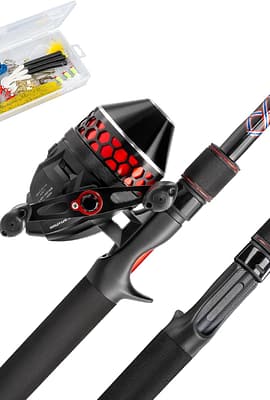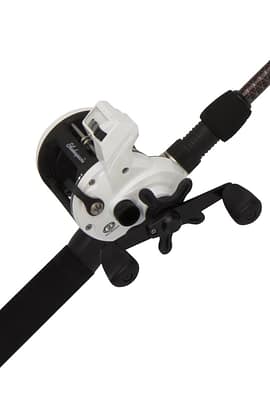
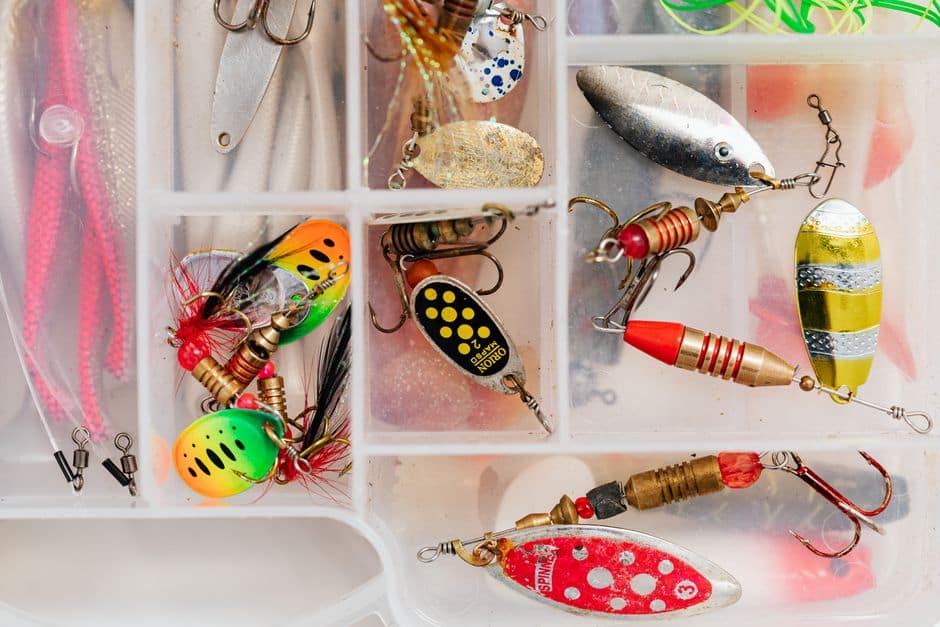
Most tackle boxes get built in the wrong order. An angler buys what looked good on a shelf or what a buddy swears by, then tries to force that lure to work on whatever happens to be swimming in front of them. Lure selection runs better in the opposite direction. Decide which fish you are targeting, then narrow the options based on the water and light conditions on the day you are fishing.
That is how the better selection tools are built. The Mepps lure selection guide asks an angler to choose the fish they want to catch and then lets the guide handle the rest, taking the guesswork out of choosing the right lure. Strike King approaches it from a regional angle. Its Regional Bait Selector is designed as a guide for choosing which baits and techniques to rely on based on the time of year and conditions, letting an angler pick a month and a zone to see recommended baits for that combination.
Start With the Species, Not the Lure
Species comes first because it sets the size of the meal. A bass feeding on threadfin shad is not looking at the same profile as a bass rooting crayfish off a rock pile, and a fish that ambushes from cover attacks differently than one that chases in open water. Matching a lure means matching what the fish is already eating and how it hunts.
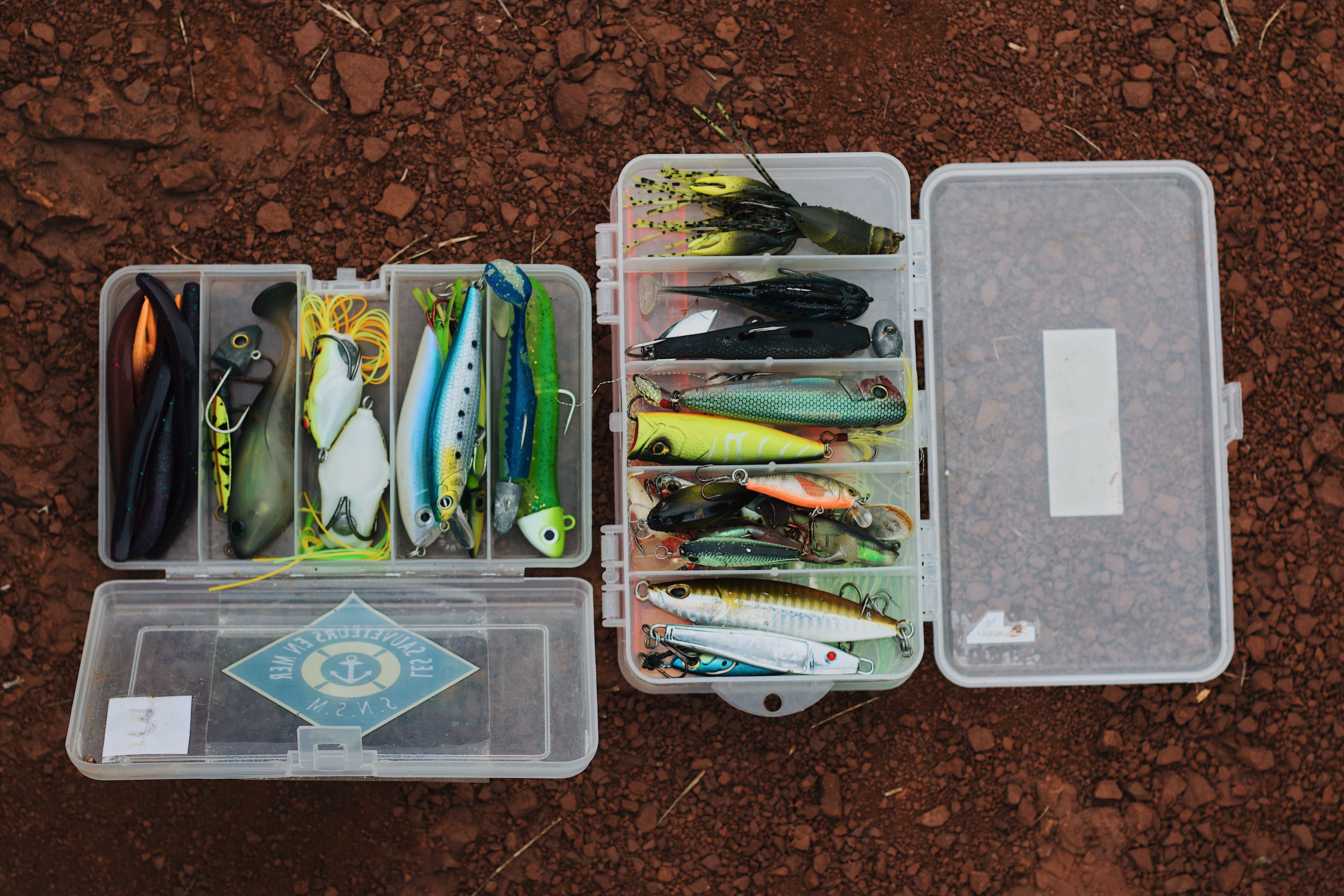
Largemouth bass offer the clearest example because so much has been written about them. Fisheries educators note that bass anglers can learn a great deal from studying the many different lure shapes and styles available to the largemouth bass angler, and the range available is genuinely wide. Bass tackle boxes run from soft plastics used for finesse presentations to flashy, rattling, loud lures built to draw aggressive strikes from largemouth and smallmouth alike.
For species with less published coverage, use a guide that begins with the fish rather than the lure. Mepps structures its selection tool that way for a reason. Once you name the species, the available lure styles narrow considerably, and you can spend your time on presentation instead of browsing.
The Three Factors That Decide Most Lure Choices
Bass Pro’s lure selector lists three main factors to consider before anything else: light level, water clarity, and depth. It also lists secondary considerations such as availability, cover, and comfort level. Working through these questions before you tie anything on keeps you from cycling through random baits.
| Factor | What You Are Reading | Why It Matters |
|---|---|---|
| Light level | Bright sun, overcast skies, dawn, dusk, deep shade | Treating light as a primary input, as the selector does, forces you to think about how much contrast a lure needs in the current conditions. |
| Water clarity | Stained, muddy, clear, slightly off color | Clarity drives color selection more than any other single variable for many anglers. |
| Depth | How deep the fish are holding and how deep the lure must run | A lure that cannot reach the fish is not a match, no matter how good the color is. |
| Cover and availability | Weeds, wood, rock, docks, open water | Cover dictates whether you can fish a bait with exposed hooks or need something more weedless. |
Lure Styles and What Each One Is Built For
Once you know the species and the conditions, the broad category usually picks itself. These are the main groups worth understanding.
Topwater Baits
Topwater lures work the surface, which makes them a natural choice when fish are feeding up rather than down. Anglers fishing Florida golf course ponds have reported catching bass on whopper ploppers, a surface bait that gets attention through commotion on the water. Topwater is a light level game. Low light periods and shaded water are the times these baits get the most use, and they are worth keeping in the box for those windows.
Crankbaits
Crankbaits are diving baits that cover water at a set depth, which makes them a good fit when the depth question already has an answer. Because they run at predictable levels, they let you target a specific zone without changing your retrieve. Flashy, rattling crankbaits fit the aggressive side of the spectrum that bass anglers rely on, especially when fish are actively chasing rather than sulking.
Spinnerbaits and Chatterbaits
Spinnerbaits and chatterbaits both do their work with vibration and flash, and both show up in real angler reports. Florida pond anglers listed chatterbaits alongside whopper ploppers and senkos as consistent producers. A 2026 buyer’s guide from Kayak Angler named the Booyah Blade as its top spinnerbait pick, which puts that style in the conversation for anglers who want one proven option rather than a whole shelf of them.
Soft Plastics, Jigs, and Swimbaits
Soft plastics cover the finesse end of the range and the bulk of most bass anglers’ boxes. The same 2026 buyer’s guide highlighted the Z-Man Finesse TRD as a top Ned rig lure, Charlie Brewer’s Slider Worm as a strong small worm, and a soft plastic stick bait among its best picks. That is the finesse toolkit in miniature: a Ned-style bait, a small worm, and a stick bait, each covering slightly different feeding moods and slower presentations.
Color: The Rule That Fixes a Lot of Bad Days
Color ranks among the most important factors in lure selection, and there is a straightforward starting rule for it. When the water is dirty, throw darker colors such as black, and work from there. That single adjustment accounts for a large share of the difference between a slow day and a productive one in stained water.
From that starting point, adjust using the same inputs you already gathered. Water clarity and light level are two of the three main factors in the Bass Pro selector, and both feed directly into color choice. If you have already answered the clarity and light questions honestly, the color decision usually becomes obvious rather than experimental.
Season and Region Change the Answer
The same lake in two different months can call for two different baits, which is exactly why Strike King built a selector around zones and months instead of publishing one static list. An angler working through that tool selects a month from January through December and a zone from one through six, then sees which baits and techniques to rely on for that combination.
The regional angle matters because fish behavior shifts with local conditions, not just the calendar. Anglers fishing Florida golf course ponds describe patterns built around specific local waters. The baits that show up in those reports are a snapshot of what works in that setting, not a universal answer. Use regional guidance as a filter, not a rule.
A Simple Decision Order for Any Trip
- Name your target species. Everything else flows from this.
- Check water clarity. Stained water pushes you toward darker colors.
- Check light level. Bright sun, overcast, dawn, and dusk all read differently.
- Check depth. Match your lure’s running depth to where the fish actually are.
- Check cover. Weeds and wood limit which baits you can fish without snagging.
- Pick a lure category that fits all of the above, then pick a color.
- Fish it with confidence before switching. Constant changes hide useful information.
Building a Small Lure Box That Covers Most Situations
You do not need a wall of baits to cover a season. A workable starting set includes one topwater bait, one crankbait, one spinnerbait or chatterbait, a jig head or two, a finesse bait along the lines of a Ned rig, a small worm, and a stick bait. That set covers surface feeding, mid-depth searching, vibration and flash, and slow finesse work.
Fish Lizard lists a range of tackle along these lines, including soft plastic swimbaits, jig heads, topwater baits, and crankbaits, alongside rods, reels, line, and other gear. Listings on the site link through to Amazon, where the purchase itself is completed, so pricing and availability should be confirmed there before you buy.
Frequently Asked Questions
How do I choose a lure for a fish I have never targeted?
Start with the species and let a selection guide narrow the field, which is how the Mepps lure selection tool is built. Then apply the three main factors of light level, water clarity, and depth. That sequence gets you to a small set of reasonable options quickly, and you can refine from there based on what the fish respond to.
What are the best fishing lures overall?
There is no single answer because it depends on species and conditions. Among named picks, Kayak Angler’s 2026 buyer’s guide highlighted the Booyah Blade as a top spinnerbait, the Z-Man Finesse TRD as a top Ned lure, and Charlie Brewer’s Slider Worm as a strong small worm. Treat those as starting points, not universal winners.
Does lure color really matter?
Color is one of the most important factors in lure selection. A widely used rule of thumb is that dirty water calls for darker colors such as black. From there, adjust based on water clarity and light level, both of which are primary inputs in the Bass Pro lure selector alongside depth.
How many lures do I need to get started?
Fewer than most people think. One bait from each major category covers the basics: a topwater bait, a crankbait, a spinnerbait or chatterbait, a jig, and a couple of soft plastics including a finesse bait and a stick bait. Add regional guidance from a tool like the Strike King selector to decide what to carry for your month and zone.