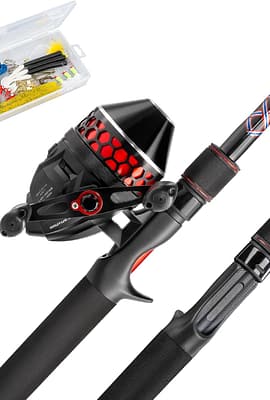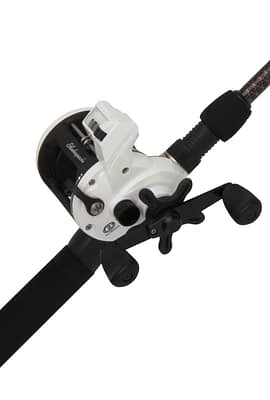

Tampa Bay rewards a simple setup. The water is shallow, the fish are frequently visible, and much of the best water sits within a short wade or a quiet push pole of a launch. That combination makes the bay a genuinely good place to learn flats fly fishing, and a good place to build a starter kit that will not need replacing after one season.
The gear question comes up constantly around local shops and on forums: what do you actually need before your first trip to the flats? What follows is a practical breakdown of rod weights, line choices, leaders, flies, and the small accessories that separate a frustrating day from a productive one. Shops serving the Tampa area are worth visiting before you buy, because the people behind the counter can point you at the patterns that match whatever bait is currently on the flats.
What Tampa Bay Flats Fishing Actually Looks Like
Tampa Bay is a broad and varied fishery, and the shallow grass flats are the heart of it for fly anglers. Redfish, snook, and spotted seatrout come up repeatedly in local fly fishing discussion, and all three can be targeted on the same flat on the same day. Cockroach Bay stands out among Tampa Bay spots for its shallow water and sight fishing potential, with redfish in particular relying on that kind of water.
Access is not the obstacle people expect. Fort Desoto Park is a good place to fish with easy access, and Fred Howard Park in Tarpon Springs offers easy access to grass flats as well. That means a beginner can build a kit around wading and shore access rather than assuming a boat is required on day one.
The gear consequences follow from the water. You are casting to fish you can often see, in water that is frequently knee deep, with wind that shows up most afternoons. Everything in the list below is chosen with those three realities in mind.
The Rod and Reel That Do Most of the Work
An 8-weight is the sensible anchor for a Tampa Bay flats kit. It has enough backbone to punch a fly into wind, enough lifting power to turn a redfish away from a mangrove edge, and enough sensitivity to present softly to a tailing fish in clear shallow water. A 7-weight works on calm mornings and lighter wind, and many anglers eventually add one as a second rod. A 9-weight is more rod than most beginners need on these flats.
A 9-foot length is the standard choice. Medium-fast to fast action helps in the wind, but do not buy the stiffest rod on the rack as a beginner. A rod you can load smoothly at short range matters more than one that casts a full line into a gale, because most flats shots in Tampa Bay are short.
What to look for in a reel
Flats reels take abuse from salt and sand, so prioritize a sealed drag and a large arbor. You want enough backing capacity to handle a fish that runs, which on these flats usually means a snook heading for structure rather than a long offshore sprint. Rinse the reel with fresh water after every trip. That single habit extends the life of a reel more than any spec sheet number.
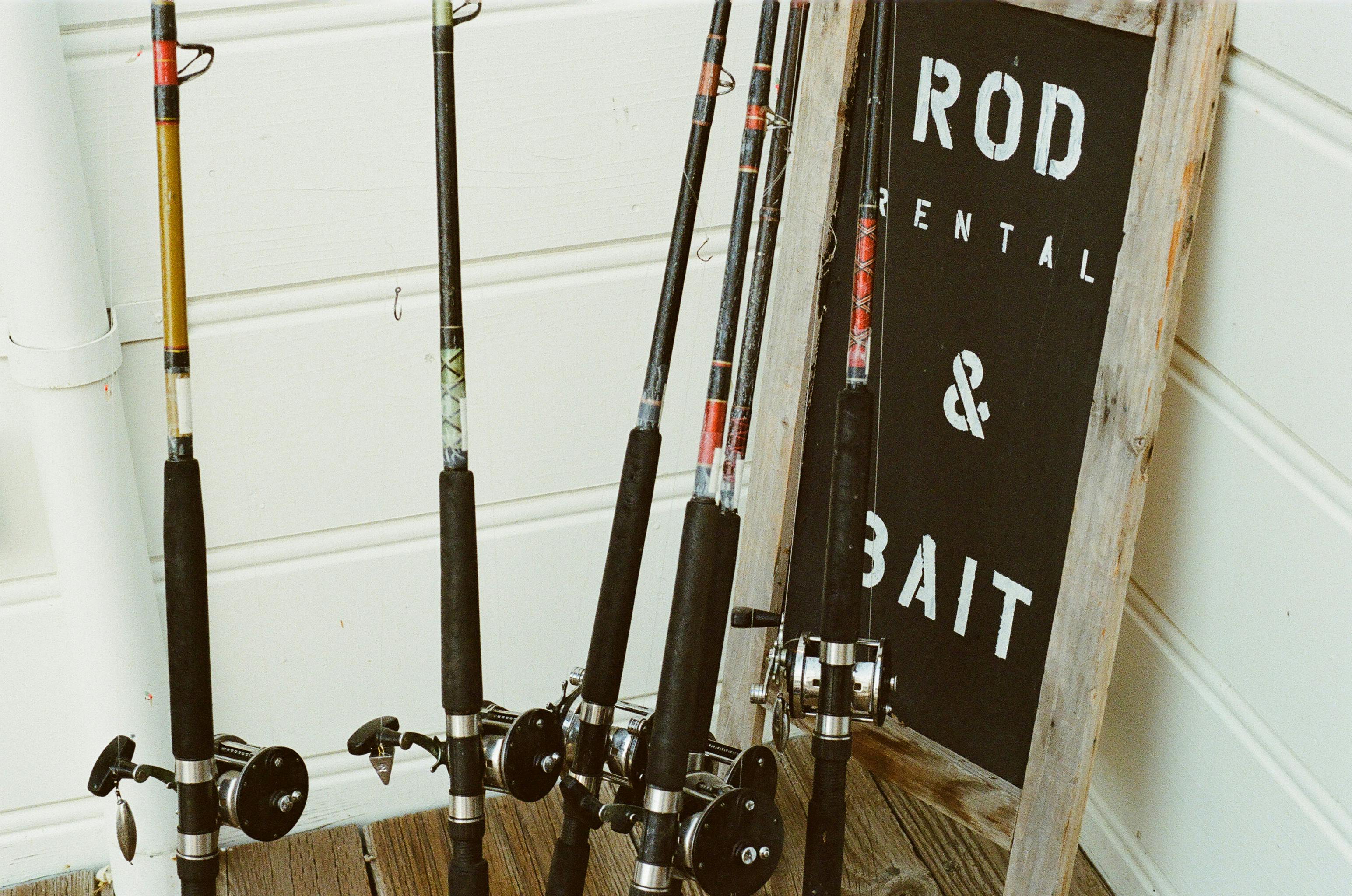
Fly Line: The Choice That Changes Your Day
Local saltwater fly anglers talk about four line types: floating, intermediate, sink tip, and full sinking. A starter kit needs two of those at most, and one of them is not optional. A weight-forward floating line is the workhorse. It handles poppers, small baitfish patterns, and shallow presentations over grass where a sinking line would dig in and stay snagged.
An intermediate line is the useful second spool. It fishes slightly below the surface, tracks straighter in a breeze, and gets a fly down along a drop-off or channel edge without dragging the bottom. Sink tip and full sinking lines are specialty tools for deeper water and are not where a beginner should spend money first.
| Line type | Where it fits on Tampa Bay flats | Starter priority |
|---|---|---|
| Floating | Shallow grass, tailing redfish, poppers and surface patterns | Buy first |
| Intermediate | Channel edges, drop-offs, windier days, subsurface flies | Buy second |
| Sink tip | Deeper edges and faster water where the fly must get down | Later |
| Full sinking | Deep water well off the flats | Later |
Backing goes under all of it. Gel-spun backing takes up less spool space than traditional Dacron, which lets you fit more line on a compact reel. Whatever you choose, make sure the arbor knot is clean and the line is wound under tension so it does not bury itself when a fish takes off.
Leaders, Tippet, and the Connections Between
Buy or build tapered leaders in the 9-foot range for most flats work. A shorter, stiffer leader turns over big wind-resistant flies, while a longer leader helps on bright, calm, clear water where fish are spooky. Since Tampa Bay flats fish are often caught in water measured in inches, stealth matters as much as distance.
Fluorocarbon tippet in the 12 to 16 pound class covers most redfish, snook, and trout situations. Keep a spool of heavier material for fishing around oyster bars and mangrove roots, where abrasion is the real enemy. Carry nippers and a hook sharpener on a lanyard, and check the last foot of tippet after every fish or snag. Retie rather than hope.
Flies Worth Having in the Box
You do not need a hundred patterns. A working starter box for Tampa Bay flats holds a handful of categories:
- Baitfish patterns in natural and olive tones for cruising fish
- Crab and shrimp imitations for tailing redfish on grass
- Small poppers and sliders for early morning surface action
- A few weighted patterns for channel edges and deeper potholes
- Sparse, neutral-colored flies for clear, calm, pressured water
Ask at a local fly shop which sizes are matching the current bait. That single conversation narrows the box faster than any online list, and it is the reason a stop at a Tampa area shop before your first trip pays for itself.
Accessories That Save a Trip
Polarized sunglasses are not a comfort item on the flats, they are a fishing tool. Without them you will not see the fish you are casting to. Bring a spare pair if you have one, and always a retainer strap.
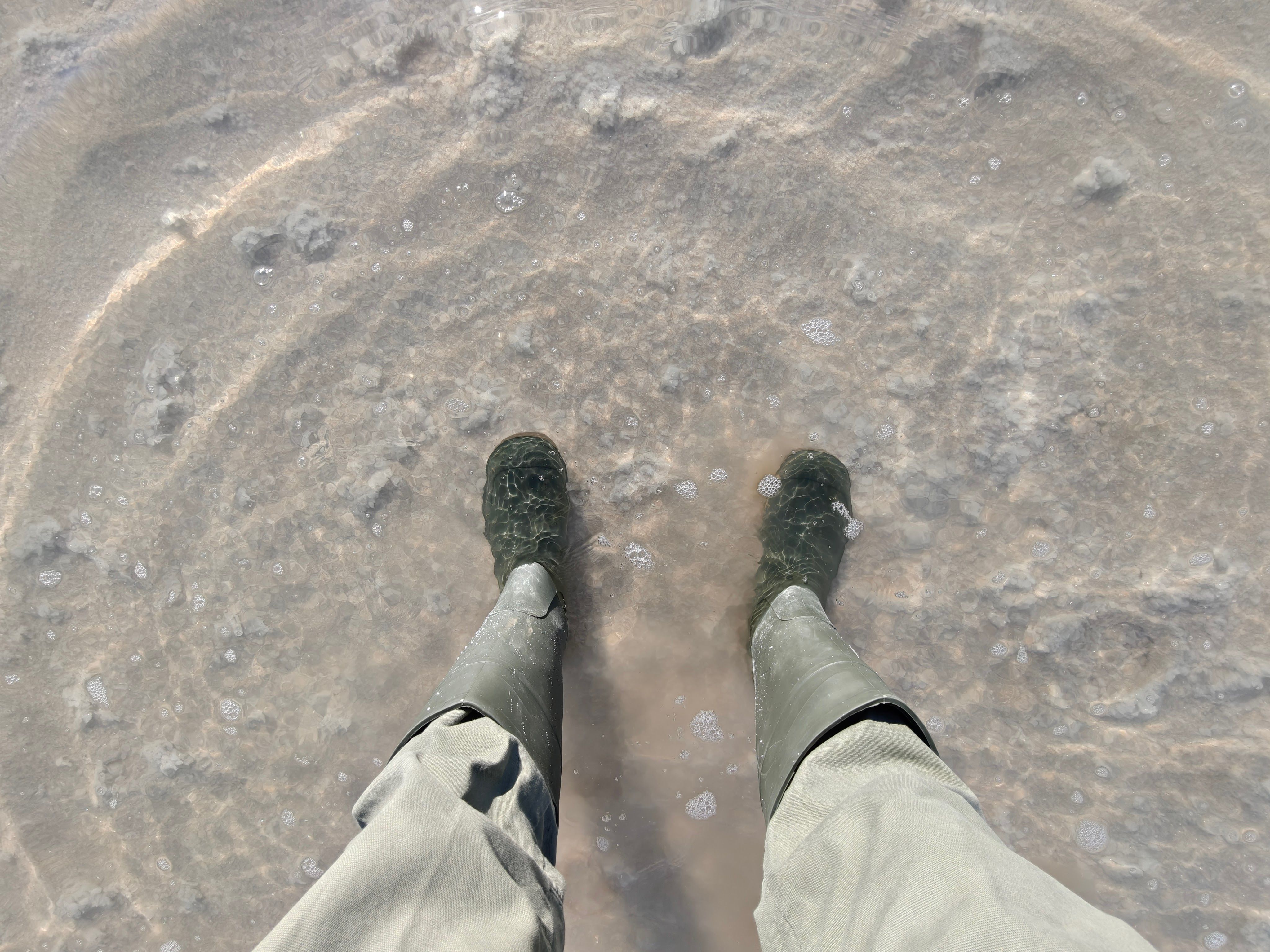
Flats boots or a sturdy wading sandal protect your feet from oyster shell and broken bottom. A stripping basket keeps loose line out of the mangroves and off the deck when wind is pushing it around. Add a small fly box that fits in a chest pocket, a landing net, sun protection, and a water bottle. A wading belt is cheap insurance in deeper potholes.
Where to Practice Before You Fish
Spend your first few sessions on casting, not catching. Short, accurate casts in a breeze are the skill that produces fish on these flats, and a grassy park or open flat gives you room to work on it. When you do fish, start at accessible water like Fort Desoto Park or the grass flats off Fred Howard Park in Tarpon Springs, where getting to the water is straightforward. Cockroach Bay is worth the trip once you can spot fish and place a fly quietly.
Building the Kit in Stages
Buy the rod, reel, floating line, backing, leaders, tippet, and a starter fly selection first. That is a complete, fishable kit. Add the intermediate spool once you understand how the floating line behaves in wind. Add the stripping basket, boots, and second fly box as the trips get longer. Buying in that order keeps the budget predictable and avoids spending money on specialty gear before you know how you like to fish these flats.
Do not chase the cheapest rod you can find and then pair it with a line that will not shoot. A modest rod with a quality floating line casts better than the reverse, and the line is the part of the system that touches the fish. Check local shop stock before ordering online so you can feel a rod before committing to it.
Frequently Asked Questions
What weight fly rod is best for Tampa Bay flats?
An 8-weight is the most versatile choice for redfish, snook, and spotted seatrout on shallow grass. It handles wind, turns medium flies, and fights fish without being too much rod for a beginner. A 7-weight is a good light-wind option, and a 9-weight is better suited to experienced anglers chasing bigger fish in tougher conditions.
Do I need a boat to fly fish Tampa Bay?
No. Fort Desoto Park offers easy access, and the grass flats around Fred Howard Park in Tarpon Springs are reachable on foot. Plenty of good shallow water can be worked by wading. A boat or kayak expands your range later, but a starter kit built around shore and wade access works fine.
Should I start with a floating or intermediate fly line?
Start with a weight-forward floating line. Most Tampa Bay flats fishing happens over shallow grass where a floating line presents flies at the right depth and stays fishable. Add an intermediate spool as your second line for channel edges, drop-offs, and windier days when you need the fly slightly below the surface.
What flies should a beginner carry for Tampa Bay?
Keep it simple: baitfish patterns, crab and shrimp imitations for tailing redfish, a few small poppers for early mornings, and a couple of weighted flies for deeper edges. Ask a local fly shop which sizes match the current bait, then carry duplicates of the two or three patterns you actually fish with confidence.
How much leader and tippet do I need on the flats?
A 9-foot tapered leader is a good baseline, paired with fluorocarbon tippet in the 12 to 16 pound class. Go heavier around oyster bars and mangrove roots where abrasion is a factor, and longer or lighter on clear, calm water where fish are spooky. Check and retie after every fish or snag.