Stepping into saltwater fishing as a beginner can be intimidating, and that pressure is strongest when you are standing in a shop aisle trying to work out what actually matters. Inshore fishing keeps the scale manageable. You are not rigging for a canyon run or trolling offshore; you are building a small, flexible kit that covers bays, flats, passes, and shoreline structure. This starter list walks through the categories worth buying first, the items you can add later, and how to keep the whole setup organized without overspending on gear you will not use yet.
Begin With the Rod and Reel, Then Build Around It
The rod and reel are the foundation, so they get first claim on your budget. A wide range of saltwater rods, reels, lures, tackle, and accessories is sold through specialty shops, big-box outdoor stores, and online retailers, which means you have options at nearly every budget level. Combo packages are a sensible starting point because the rod and reel are already matched to each other, removing one variable from the equation. Retailer catalogs regularly stock reel brands such as Daiwa, Shimano, Penn, Van Staal, Seigler, and Visser, alongside rod and combo lines from names like KastKing, PENN, and Berkley.
Instead of chasing a specific number on a spec sheet, match the outfit to the water in front of you. A light outfit built for smaller inshore species fished over sand and grass will feel very different from a heavier setup used around bridges, jetties, and rocky structure where you need more stopping power. If you fish both, plan for two outfits eventually and buy the lighter one first. It is the outfit you will reach for most often, and it teaches you more about how fish behave around shallow structure.
Line Choice: Braid, Monofilament, or Fluorocarbon
Line is the cheapest part of the setup and the easiest to get wrong. Braided line, monofilament, and fluorocarbon are the three main options, and each behaves differently in saltwater. Braid is thin for its strength and carries little stretch, which helps with sensitivity and hooksets when fishing deep structure or working lures with feel. Monofilament is forgiving, inexpensive, and easier to handle for newer anglers still learning knots. Fluorocarbon is typically used as a leader material where abrasion resistance and low visibility matter around shells, rocks, and pilings.
Most inshore anglers end up running braid as a main line with a short fluorocarbon leader, but a straight monofilament spool is perfectly reasonable for a first season. Buy line fresh, spool it properly, and replace it when it starts to look chalky or holds a coil. Old line is the most common silent cause of lost fish and lost lures.
Terminal Tackle: Hooks, Sinkers, Jigheads, and the Small Stuff
Terminal tackle is where beginners either under-buy or over-buy. Saltwater terminal tackle covers hooks, sinkers, bobbers and floaters, jigheads, beads, rattles, scents, and skirts. You do not need every variant. A practical starter box holds a few hook styles in a couple of sizes, an assortment of sinkers for current and depth changes, jigheads that match your soft plastics, and a small selection of floats for live or cut bait presentations.
- Hooks in a range of sizes, including styles suited to live bait and to soft plastics
- Sinkers for adjusting depth and holding bottom in current
- Jigheads matched to the size of your soft plastics
- Bobbers and floaters for suspending bait above structure
- Beads, rattles, and skirts for building and dressing rigs
- Scents as an optional addition to soft plastics and bait
Buy terminal tackle in small packs rather than bulk boxes. Inshore conditions change from trip to trip, and a small, varied selection lets you adapt without committing to hundreds of hooks in a size you never tie on.
Lures for Inshore Water
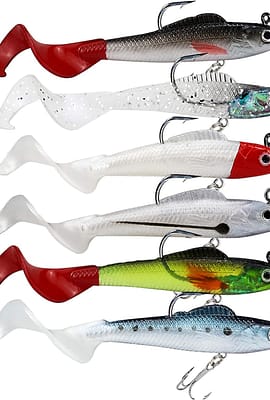
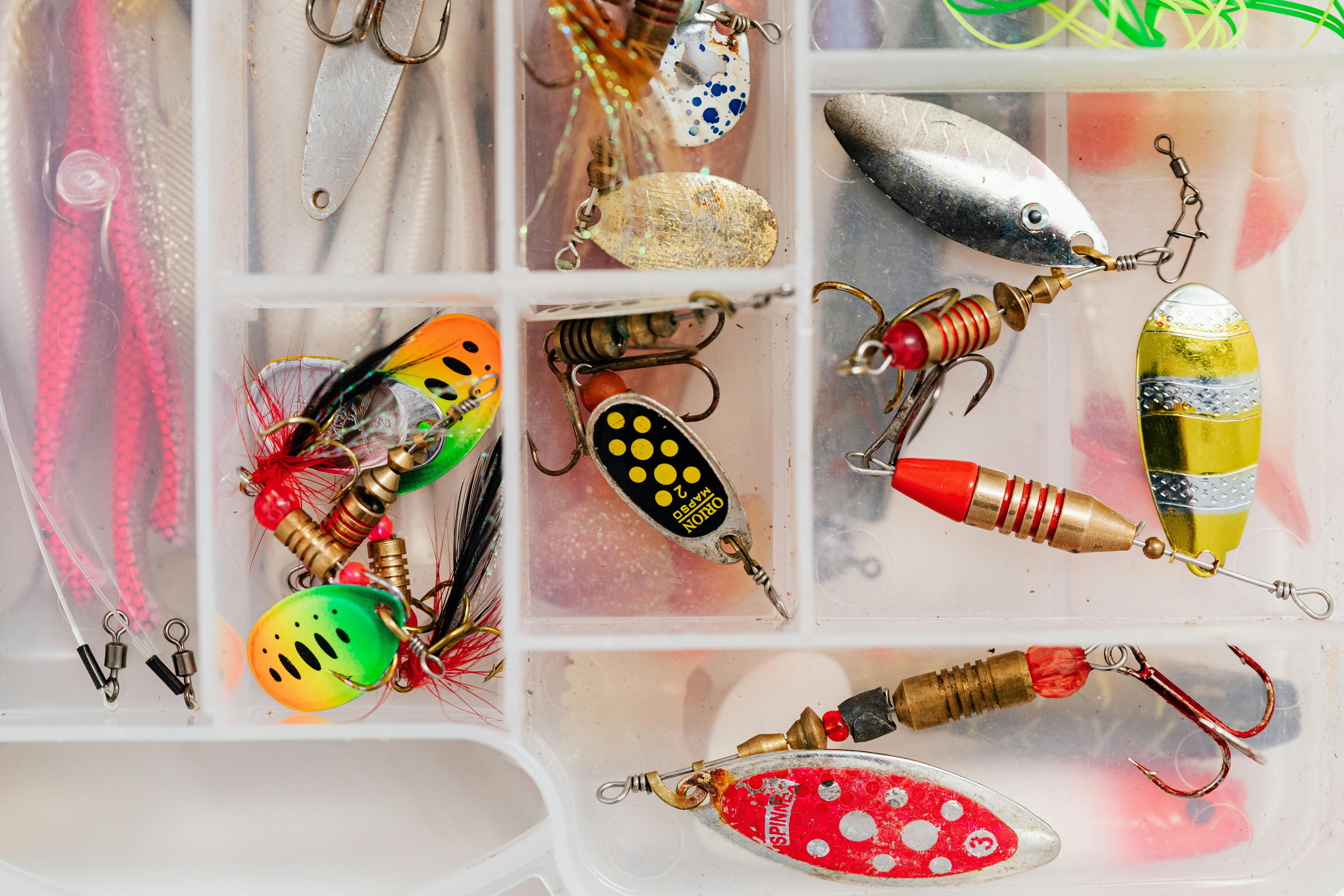
Inshore lure fishing rewards a small, versatile box over a large, specialized one. Soft plastic swimbaits and jig heads cover a huge amount of ground because you can change the head weight to fish shallow grass or deeper channel edges with the same bait. Topwater baits are worth carrying for calm mornings and shallow flats where the strike is part of the appeal. Crankbaits and similar hard baits handle moving water and suspended fish along channel edges and structure.
Fly anglers are not left out. Flies, fly lines, and fly rods appear in saltwater tackle lineups alongside conventional gear, and fly tying supplies are available for anyone who wants to build their own patterns. If you are new to the sport, pick two or three lure categories and learn them well rather than filling a box with one of everything.
Tools and Handling Gear
The accessories list is short but skipping it makes for a rough day on the water. Common fishing accessories include nets, gaffs, coolers, pliers, cast nets, and knives, and each earns its place for a specific reason. Pliers handle hook removal, split rings, and leader trimming. A landing net gives you control over a fish at the boat or shoreline without dragging it over rocks. A cooler keeps catch and bait in condition, and a knife covers bait prep and cutting line in a hurry.
Cast nets are worth mentioning separately because they are a bait tool rather than a handling tool. For anglers who plan to catch their own bait, a cast net expands what you can do on a trip. Fishing gloves are another small addition that makes handling fish, leaders, and sun exposure more comfortable, especially on long days.
Storage and Organization
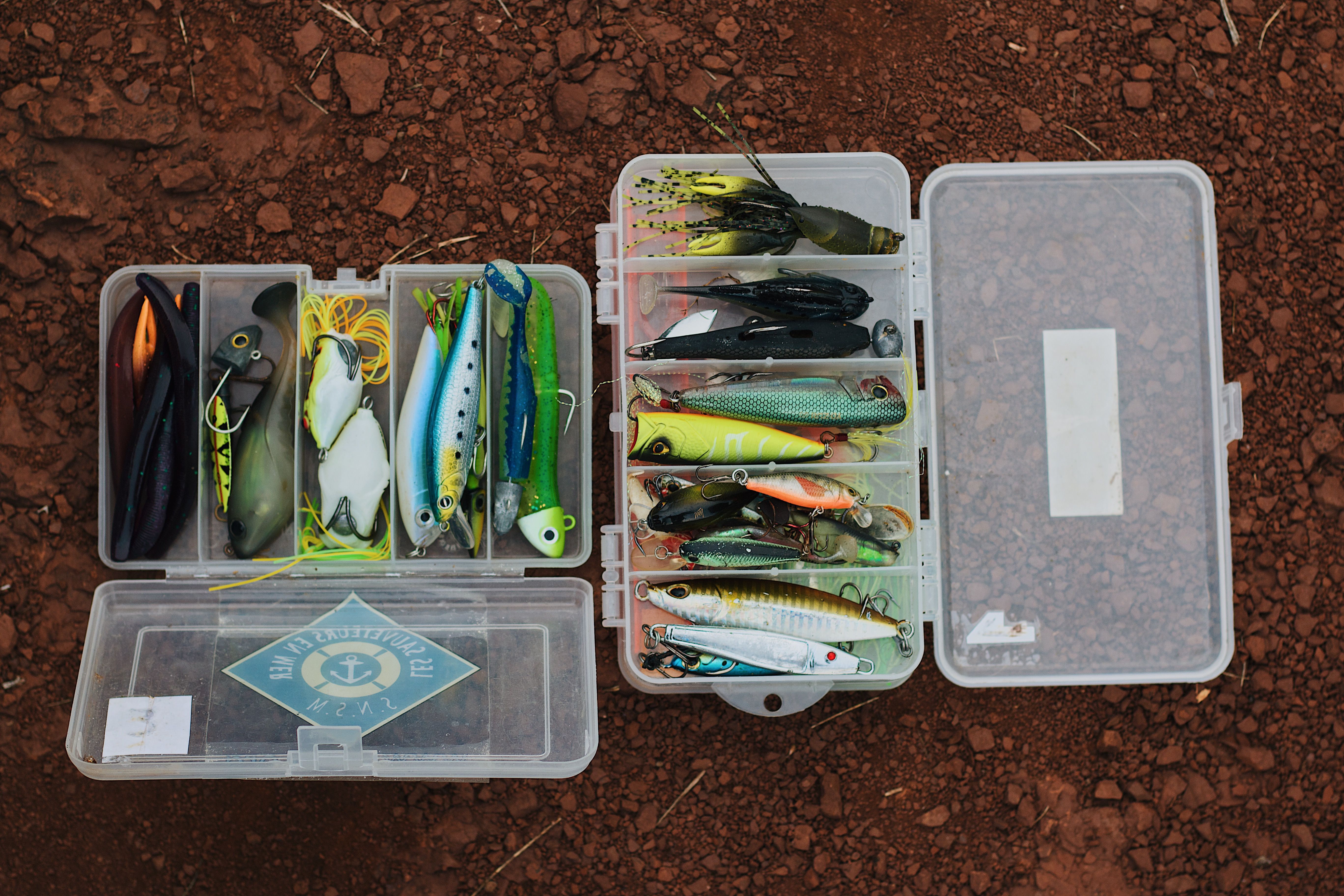
Hard tackle boxes and tackle bags keep hooks from rusting together in a bucket and keep you from digging through loose gear in the dark. Saltwater is hard on everything, so storage is a maintenance decision as much as an organizational one. Rinse gear after every trip, dry it before closing the box, and keep terminal tackle in compartments so hooks stay sharp and separated.
A simple structure works well: one box for terminal tackle, one for lures, and a small bag or pouch for tools that stays with you rather than buried under the cooler. Labeling compartments takes a few minutes and saves a lot of fumbling later.
A Starter Checklist at a Glance
| Category | What it covers | Starter approach |
|---|---|---|
| Rod and reel | Combo or matched pair | Buy a matched combo suited to light inshore fishing first |
| Line | Braid, monofilament, fluorocarbon | Start with one main line and a leader option |
| Terminal tackle | Hooks, sinkers, jigheads, floats, beads, rattles, skirts | Small packs in a few sizes rather than bulk |
| Lures | Soft plastics, topwater, hard baits, flies and fly lines | Two or three categories learned well |
| Tools | Pliers, net, knife, cooler, gloves, gaff, cast net | Pliers, net, and knife first |
| Storage | Hard tackle boxes, tackle bags, tool pouch | Separate boxes for terminal tackle and lures |
What to Leave Off the First List
Offshore trolling gear is a different discipline. Hand-crafted trolling lures, dredges, and specialized offshore tackle products are built for boat fishing well beyond the inshore zone, and buying them early rarely helps a shoreline or bay angler. The same logic applies to any highly specialized item that solves a problem you do not have yet.
A better use of the remaining budget is a second outfit, more line, and a modest restock of the terminal tackle you actually lose. Consumables disappear faster than beginners expect, and a spare spool of line has saved more trips than an extra lure ever will.
Where to Buy and How to Save
Saltwater gear is sold through coastal tackle shops, large outdoor retailers, and a growing number of online stores. Anglers frequently compare options across marketplaces and specialty retailers when restocking line and terminal tackle, and clearance sections are worth checking for discontinued colors and last-season models. Discounts and member programs also appear at specialty saltwater retailers, so it pays to compare before committing to a full-price purchase.
Fish Lizard lists sport fishing tackle and outdoor gear and sends buyers to Amazon to complete the purchase, which makes it a practical place to compare rods, reels, lures, line, and boat supplies in one pass. Confirm sizing, line capacity, and compatibility on the product listing before you buy, since specifications vary between models and manufacturers revise their lineups regularly.
Frequently Asked Questions
What gear does an inshore saltwater beginner actually need?
A matched rod and reel combo, fresh line, a small terminal tackle selection of hooks, sinkers, and jigheads, two or three lure types, and basic tools such as pliers, a net, and a knife. Storage keeps it organized. Everything else can be added as you learn which conditions you fish most often.
Is braided line better than monofilament for inshore fishing?
They do different jobs. Braid offers sensitivity and thin diameter, which suits lure fishing and feeling structure. Monofilament is more forgiving and easier to manage for newer anglers. Many inshore anglers run braid as a main line with a fluorocarbon leader, but straight monofilament works fine to start.
Do I need different gear for saltwater than freshwater?
Saltwater is harder on gear because of corrosion and abrasion, so rinsing everything after each trip matters more. Reels and rods built for saltwater use hold up better over time. Line choice and terminal tackle also shift toward abrasion resistance around shells, rocks, and pilings.
How often should I replace fishing line?
Replace line when it looks chalky, feels rough, or holds a coil after stretching. Line that has taken a lot of sun and salt exposure weakens quietly, and a fresh spool is inexpensive compared with losing a good fish or a box of lures. Restocking line is one of the best small purchases an inshore angler can make.