Florida hands an angler two coastlines, a long chain of islands, and an inland lake system that keeps producing year after year. That range is exactly why the question of where to fish has so many good answers. It is also why a trip goes better with a plan instead of a guess.
This guide gathers the spots that keep showing up in state resources, printed chart catalogs, and destination roundups, then explains how to turn a name on a map into a day on the water. Nothing here replaces an official check on rules, so treat it as a starting list and confirm the details before you launch.
Choose a Coast First, Then a Spot
Most Florida fishing spots sort into a handful of buckets: the Gulf coast on the west, the Atlantic coast on the east, the Keys and the far south, and the freshwater lakes and canals inland. The FWC’s Where to Saltwater Fish resource is built the same way. You find a destination on the map, then scroll to the matching number to learn where to go fishing, what you might catch there, and when the best time might be.
That order matters. Place first, target second. Picking a famous species and then hunting for water to match it usually means a long drive and a short bite window. Picking water you can actually reach at a reasonable hour gives you far more casts.
Gulf Coast Fishing Spots
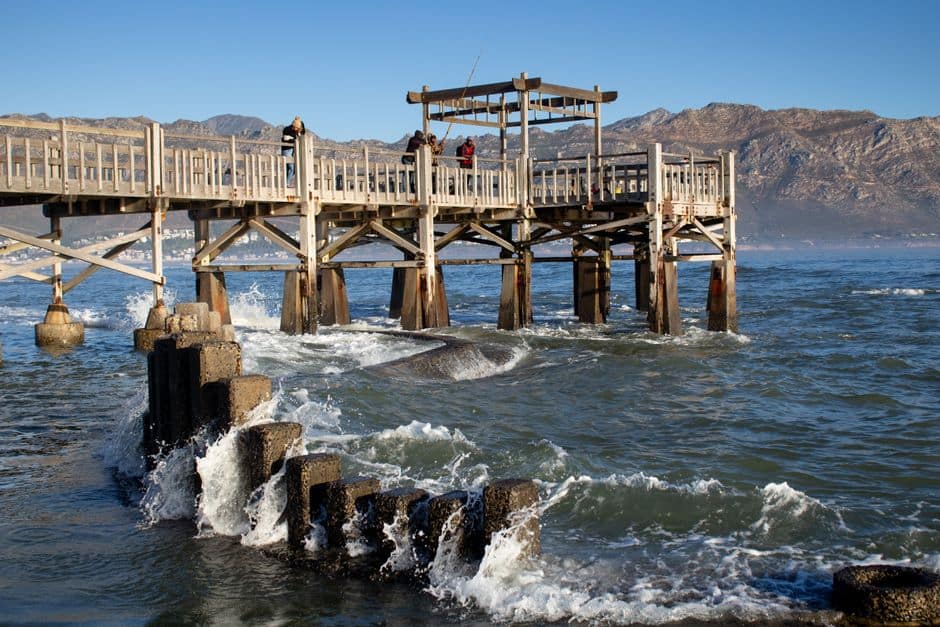
The FWC’s saltwater where-to-fish listings name a cluster of popular locations along the Big Bend and Forgotten Coast: Alligator Harbor, Alligator Point, the Apalachicola River, Battery Park, Carrabelle Beach, Carrabelle River, and the Eastpoint fishing pier. These sit close enough together that you could base in one town and sample several of them across a long weekend. River mouths, shallow bays, and pier access all appear on that same short list.
Farther south, FishingBooker’s 2026 Florida guide points to Gulf Coast destinations including Tampa Bay, Clearwater, Cape Coral, Fort Myers, and Fort Myers Beach. Tampa Bay also turns up in debates about the single best spot in the state, which tells you something about how much water and access it offers.
Atlantic Coast, the Keys, and the Southeast
On the east side, Cape Canaveral and Mosquito Lagoon appear on short lists of Florida fishing spots that anglers say you cannot miss. So do the Florida Keys and Everglades National Park. Those four cover a lot of ground between them: a launch-heavy Atlantic coast, a shallow lagoon system, a chain of islands, and a vast wilderness coastline.
Up in the northeast corner, printed chart coverage runs from Amelia Island and Nassau Sound up to the Georgia state line. Further down the coast, Biscayne Bay and Card Sound have their own dedicated chart coverage. Key West regularly lands in conversations about the number one fishing spot in Florida, alongside Tampa Bay and Destin.

Southwest Florida and the Ten Thousand Islands
The southwest corner holds some of the most famous names in the state. Boca Grande and Charlotte Harbor appear in chart catalogs as a single coverage area running from Lemon Bay to Cayo Costa. South of there, the 10000 Islands area gets its own coverage stretching from Chokoloskee to Rookery Bay.
This is the part of Florida where a boat truly changes the day. Shoreline access exists, but the water spreads out in a maze of islands and back bays, which makes navigation planning more valuable than any single lure choice.
Freshwater Fishing Spots in Florida
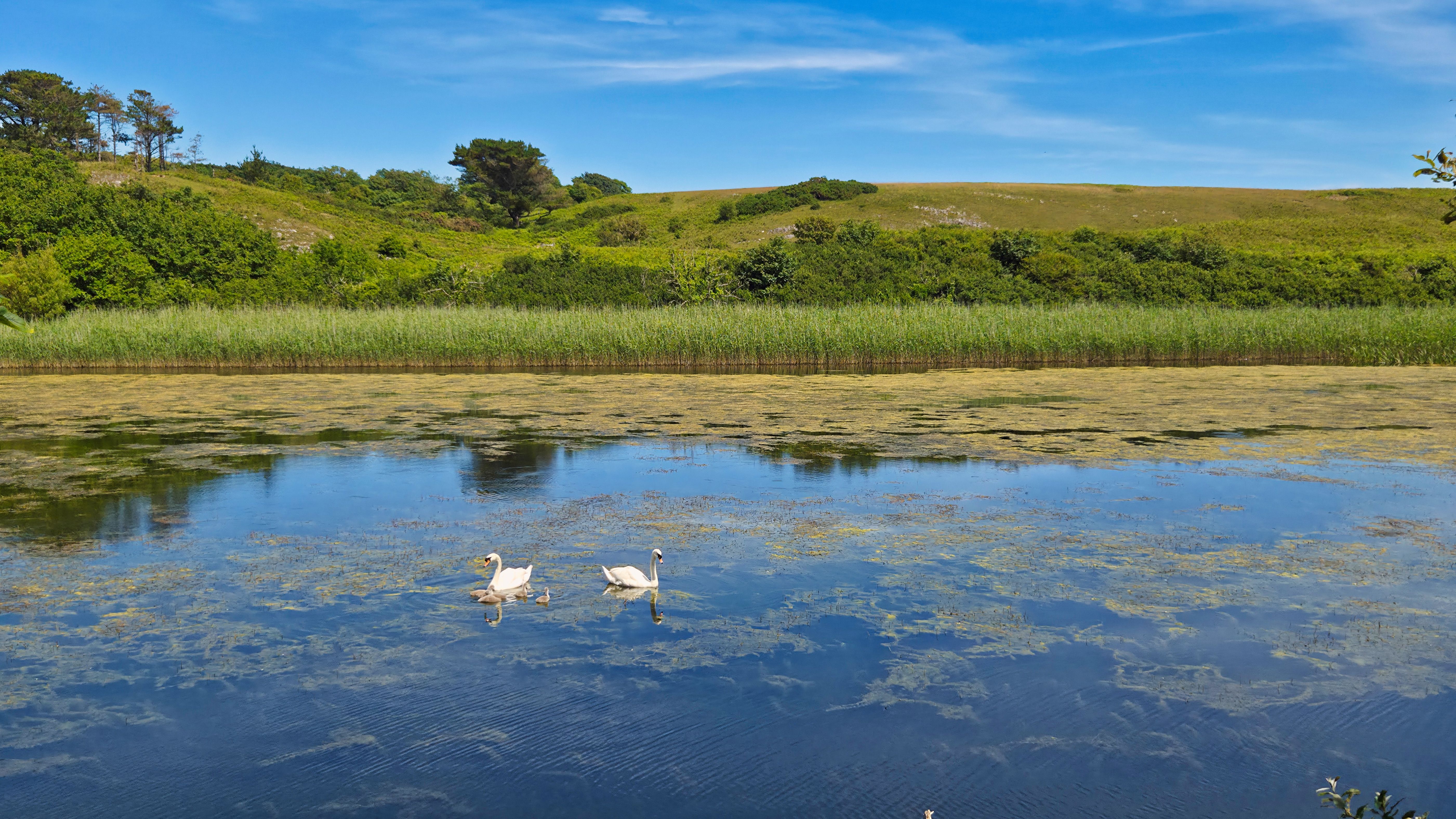
Saltwater gets most of the attention, but Florida’s freshwater side is substantial. Lake Okeechobee shows up on statewide top ten lists next to the coastal heavyweights, and Visit Florida’s freshwater guide notes that most fishing takes place along the south, west, and north portions of the state.
That same guide points readers toward canals in South Florida, Lake Trafford near Immokalee and SR 29, and Lake Istokpoga. Canals are easy to overlook, and they are often the most accessible option for an angler without a boat or with only a few hours to spare.
Florida Fishing Spots at a Glance
| Region | Named locations |
|---|---|
| Gulf coast, Big Bend and Forgotten Coast | Alligator Harbor, Alligator Point, Apalachicola River, Battery Park, Carrabelle Beach, Carrabelle River, Eastpoint fishing pier |
| Gulf coast, central and south | Tampa Bay, Clearwater, Cape Coral, Fort Myers, Fort Myers Beach, Destin, Boca Grande, Charlotte Harbor, Lemon Bay, Cayo Costa |
| Atlantic coast | Amelia Island, Nassau Sound, Cape Canaveral, Mosquito Lagoon, Biscayne Bay, Card Sound |
| Keys and deep south | Florida Keys, Key West, Everglades National Park, 10000 Islands, Chokoloskee, Rookery Bay |
| Freshwater | Lake Okeechobee, Lake Trafford, Lake Istokpoga, South Florida canals |

Use Maps and GPS Coordinates to Narrow the Search
A spot name gets you to the right town. Coordinates get you onto the right piece of bottom. Services built specifically for Florida publish maps and GPS coordinates covering both the Atlantic and Gulf coasts, with entries for inshore fishing, offshore fishing, and deep drop spots. The operators of one such service state that their library was expanded again in 2025, which is a reminder that these collections grow rather than sit still.
Printed chart catalogs work the same way in paper form. Fishing Hot Spots, for example, sells Florida maps by area with SKU codes attached to each one, from Amelia Island and Nassau Sound down through Biscayne Bay and Card Sound and across to the Ten Thousand Islands. If you prefer a waterproof sheet in the boat rather than a screen, that route still exists.
Either option beats scrolling a satellite image and guessing. Structure, depth changes, and channel edges are what put you on fish, and those details come from a chart, not a pin drop.
Check the Official Rules Before You Go
The FWC publishes a fishing pier finder alongside its destination guide, which is useful if you are traveling without a boat. It also maintains the licensing and regulation information that governs every trip. Those requirements change, and the research behind this article did not cover them, so verify current rules at myfwc.com before you fish rather than relying on a blog post or a forum thread from three seasons ago.
The same advice applies to access. Ramps, piers, and shoreline parks get closed for repairs, and a phone call or a quick check of the managing agency’s page saves a wasted morning.
Match Your Gear to the Water You Picked
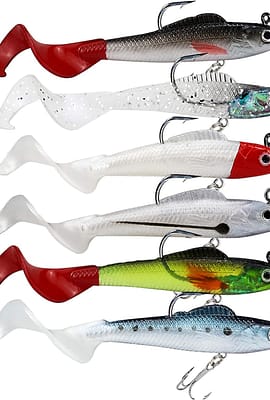
A trip built around a shallow lagoon calls for different tackle than an offshore run, and packing for both usually means packing too much. Sort your gear by the trip you are actually taking. Inshore days lean on lighter rods and line, plus soft plastic swimbaits, jig heads, and topwater baits for working shallow structure. Offshore and deep drop days reward heavier combos and fresh line you trust.
Boat owners have a second checklist entirely. Spare propellers and water pump impeller kits belong in the truck or the console, because a mechanical problem mid-trip ends the day faster than a slow bite ever will. Rinse everything that touches salt water when you get home, and check line for nicks before you spool up for the next trip.
Building a Realistic Itinerary
Two or three spots in a day is plenty. Pick one primary location, one backup within a short run, and one fallback you can reach on foot or by pier. That structure handles weather, crowds, and the simple fact that fish do not read the same reports you do.
If you are visiting rather than living in Florida, base yourself near a cluster instead of a single famous name. The Big Bend group and the southwest island chain both reward that approach. You get variety without spending the whole trip towing a boat down the interstate.
Frequently Asked Questions
What is the number one fishing spot in Florida?
There is no settled answer. Key West, Tampa Bay, and Destin are all argued as the best fishing spots in Florida, and each has a strong case depending on whether you want inshore water, offshore access, or variety. Lake Okeechobee and the Florida Keys also appear on statewide top ten lists. Pick based on the kind of fishing you want rather than a ranking.
What part of Florida is best for fishing?
It depends on the water you enjoy. The Gulf coast offers destinations like Tampa Bay, Clearwater, and Fort Myers. The Atlantic side brings Cape Canaveral and Mosquito Lagoon. Freshwater anglers have Lake Okeechobee, Lake Trafford, and Lake Istokpoga inland. Most fishing activity clusters along the south, west, and north portions of the state.
Where can I find GPS coordinates for Florida fishing spots?
Dedicated Florida fishing spot services publish maps and GPS coordinates for the Atlantic and Gulf coasts, covering inshore, offshore, and deep drop locations. Printed chart catalogs also sell coverage by area, including Biscayne Bay, Charlotte Harbor, and the Ten Thousand Islands. Verify that any coordinates you buy are current before running to them.
Do I need a license to fish in Florida?
License rules are set by the FWC and change over time, and this article does not cover them. Check the FWC website for current requirements, exemptions, and any species specific permits before your trip. Buy or renew ahead of time so a paperwork issue does not cut into your first morning on the water.
Florida rewards anglers who plan around a place instead of a rumor. Pick a coast, pull a chart, confirm the rules, and load the boat for the water in front of you. The spot list above is long enough to fill several seasons, and every one of those names started as somebody’s best day out.