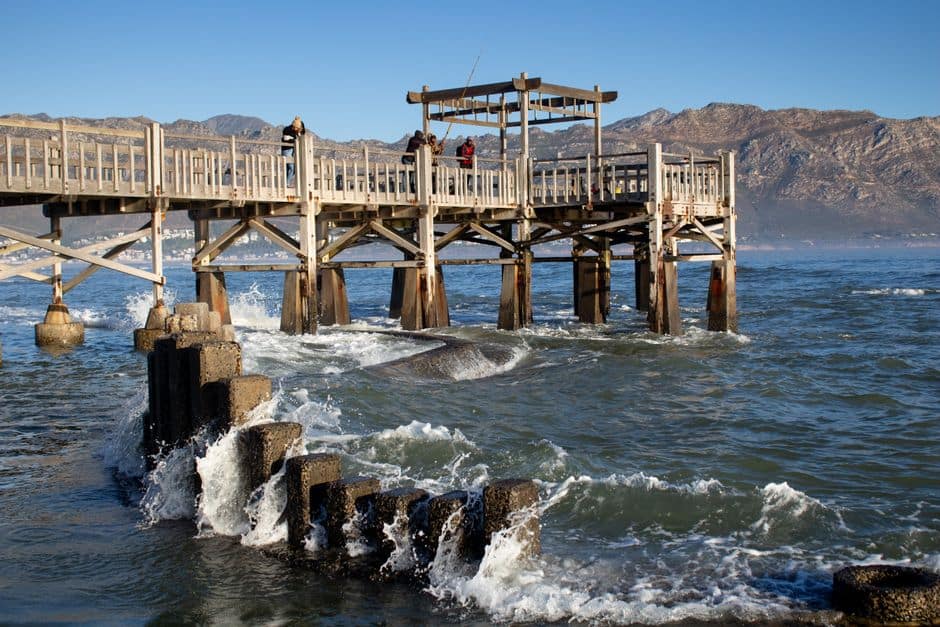
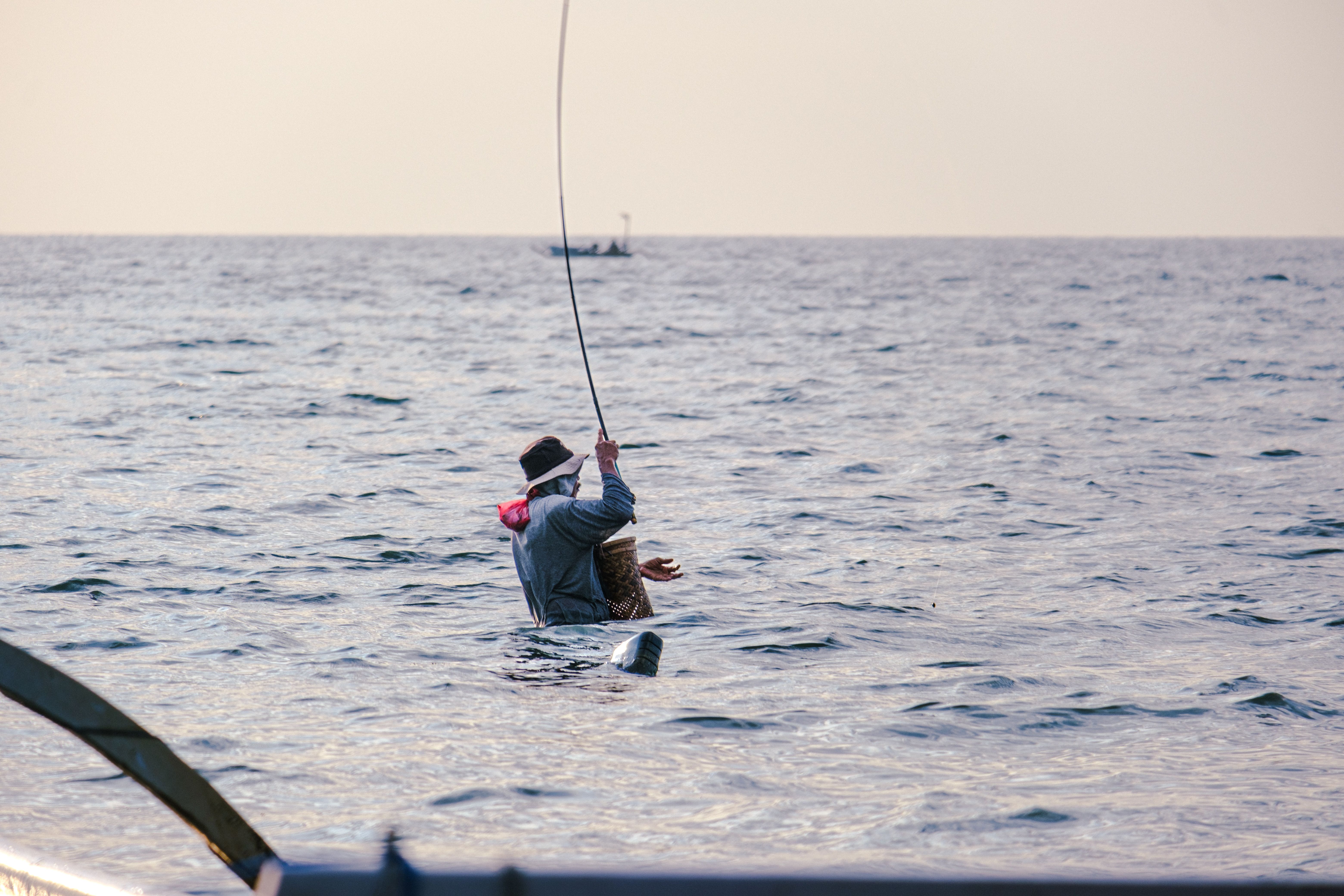
Florida packs an unreasonable amount of fishable water into its coastline, and a lot of the best of it is reachable on foot. Piers, jetties, bridge catwalks, inlet walls, and long runs of sand put you within casting range of snook, redfish, spotted seatrout, Spanish mackerel, and tarpon without a hull, a motor, or a trailer.
The catch is that not every famous Florida fishing destination works from the bank. Some are boat-first water. The spots below are the ones that show up again and again in state and regional fishing coverage and that make sense for an angler standing on something solid. The Florida Fish and Wildlife Conservation Commission publishes a where to saltwater fish map paired with a fishing pier finder, which is the simplest starting point for planning a shore trip in an unfamiliar part of the state.
How to Judge a Shore Spot Before You Drive There
Shore fishing rewards access as much as it rewards fish population. A flat loaded with redfish is worthless if every edge of it is private lawn. The locations in this guide all share a few practical traits that matter when you are fishing on foot.
- Public access is built in, through piers, beach parks, inlet jetties, or bridge walkways.
- Current moves past the angler. Inlets, passes, and bridge channels concentrate bait and predators in a way open beach rarely does.
- There is structure to cast at: rocks, pilings, mangroves, troughs, and channel edges.
- You can cover water in a few steps rather than a half mile of empty sand.
FWC’s destination map breaks the state into regions and tells you what you might catch at each one and when the best time might be. That is a better planning tool than a list of coordinates, because timing on Florida saltwater is often the difference between a slow morning and a good one.
Atlantic Coast Spots for Shore Anglers
Sebastian Inlet
Sebastian Inlet is the most frequently named shore-accessible hotspot on Florida’s east coast, and for good reason. It is a documented hotspot for snook, and you will also find redfish and Spanish mackerel biting there. Inlet fishing suits shore anglers because the current rips past rock walls and jetties within easy casting distance, and a jig or live bait fished along a current seam does not require a boat to reach. Expect company along the wall when the tide is running, and plan your casting lane accordingly.
Mosquito Lagoon and Canaveral National Seashore
Mosquito Lagoon and the Canaveral area appear on short lists of favorite Florida fishing places, and the surrounding national seashore gives shore anglers a rare combination of shallow grass water and open beach in one trip. Wade fishing and bank access on the lagoon side pair naturally with surf casting on the ocean side. Come prepared to walk, and treat the seashore as a place where you earn your fish by covering ground.
Hutchinson Island
Hutchinson Island shows up alongside the Canaveral beaches on lists of Florida favorites, largely for surf and beach access. For a shore angler, the appeal is simple: a long, publicly reachable stretch of Atlantic beach with troughs and cuts that hold fish within a short cast of dry sand. Fishing the beach means reading the water, watching for darker sloughs and rip currents, and moving until you find a spot where the surf breaks over structure.
Northeast and Central Beach Stretches
Florida beach fishing coverage consistently groups the northeast and central beaches together: Jacksonville Beach and Amelia Island, St. Augustine Beach, Flagler Beach and Ormond Beach, plus the Panhandle beaches around Destin and Panama City. All of these are surf fishing territory. They work best for anglers who accept the rhythm of surf fishing, which means a long rod, a sand spike, and patience between bites rather than constant casting.

Gulf Coast Spots for Shore Anglers
Tampa Bay and Charlotte Harbor
Both bays are named among the fishier hotspots on Florida’s Gulf Coast. Charlotte Harbor in particular carries a reputation for an excellent tarpon run, outstanding snook fishing, and great redfishing, and the same water spills into Pine Island Sound. Shore access around these systems comes through public parks, bridges, piers, and shoreline roads, so a little map work before the trip is worth the effort.
Pine Island Sound
Pine Island Sound is the name that keeps resurfacing when anglers talk about the best inshore fishing on the southwest coast. Tarpon, snook, and redfish all get mentioned in the same breath here. Shore anglers should target pass mouths, bridge shadow lines, and mangrove edges where current funnels bait. Fishing from foot in this part of the state usually means picking a bridge or a park and working it thoroughly rather than running and gunning.
Homosassa Bay and the Big Bend
Homosassa Bay is listed among the notable Florida hotspots, sitting at the transition where the Big Bend meets the Gulf. The character here is different from the southern sounds: shallow, grass-heavy, and largely dependent on tides. Shore anglers can work from public access points and wadeable edges, but should verify local access before committing to a long drive.
Panhandle and Apalachee Bay Access
Panhandle and Big Bend coverage in FWC’s destination listings names Alligator Harbor, Alligator Point, Carrabelle Beach, the Carrabelle River, the Eastpoint fishing pier, the Apalachicola River, and Battery Park. The mix is useful for shore anglers because it includes a dedicated pier at Eastpoint and public beach access at Carrabelle, while the rivers and harbor areas give you sheltered water when wind makes open Gulf fishing uncomfortable. This is one region where a state-run access list is more helpful than a fishing report, since the fishing follows the access.
South Florida and the Keys
Biscayne Bay
Biscayne Bay is one of the most consistently named Florida hotspots across every source, and it appears on short lists of the best inshore cities alongside Islamorada and the Indian River Lagoon. Shore anglers can work bridges, seawalls, and public waterfront, though boat traffic and clear water make long, accurate casts more valuable than brute distance.
Islamorada and the Lower Matecumbe Bridges
Islamorada holds a place on essentially every Florida fishing list, and the bridges of Lower Matecumbe Key come up as a casual, low-effort way to fish the Keys from land. Bridge fishing from the catwalk is one of the most accessible forms of inshore saltwater fishing anywhere in the state. Keep your rig simple, watch for current, and be considerate of the people walking and driving above you.
Ten Thousand Islands, Chokoloskee Bay, and the Everglades Bays
The southwest corner of the state is dense with named water: Ten Thousand Islands, Chokoloskee Bay, Florida Bay, Whitewater Bay, and Ponce de Leon Bay. This is backcountry fishing in the truest sense, and shore access is limited, so pick your access point carefully before you go. Where you can reach the water on foot, expect shallow flats, tannin-stained creeks, and fish that are extremely sensitive to a sloppy presentation.
What You Might Catch From Shore
| Species | Spots where shore access makes sense |
|---|---|
| Snook | Sebastian Inlet, Pine Island Sound, Charlotte Harbor, shaded bridge and jetty structure |
| Redfish | Sebastian Inlet, Pine Island Sound, Charlotte Harbor, flats and creeks off the Intracoastal |
| Spotted seatrout | Flats and creeks off the Intracoastal, Pine Island Sound, Charlotte Harbor |
| Spanish mackerel | Sebastian Inlet and adjacent current edges |
| Tarpon | Pine Island Sound and Charlotte Harbor during the run |
The Intracoastal flats and creeks come up repeatedly for trout and redfish, and those edges are often reachable from bank, bridge, or wadeable shoreline. That makes the Intracoastal system a strong choice for an angler without a boat who still wants the classic Florida inshore experience.
Gear That Makes Shore Fishing Easier
Shore fishing punishes gear that only works from a casting deck. You are often casting into wind, over rocks, or toward structure you cannot chase a fish around. A few general choices make the day smoother.
- A rod long enough to keep line off the water and clear of rocks on the retrieve.
- Braided main line for casting distance and abrasion resistance around inlets and bridge pilings.
- A fluorocarbon leader where the water is clear and fish are pressured.
- Soft plastic swimbaits and jig heads for working current seams and channel edges.
- Topwater baits for low light along shallow grass and mangrove edges.
- A sand spike and a second rod if you are fishing open beach rather than an inlet.
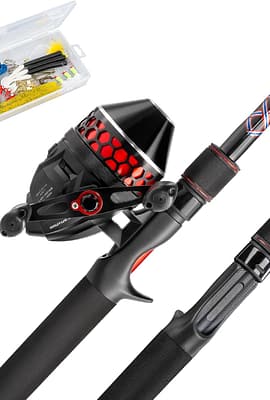
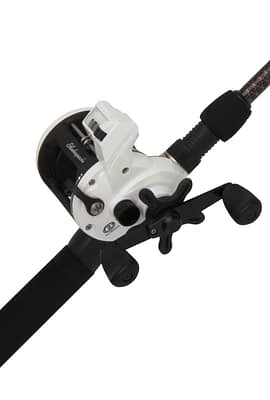
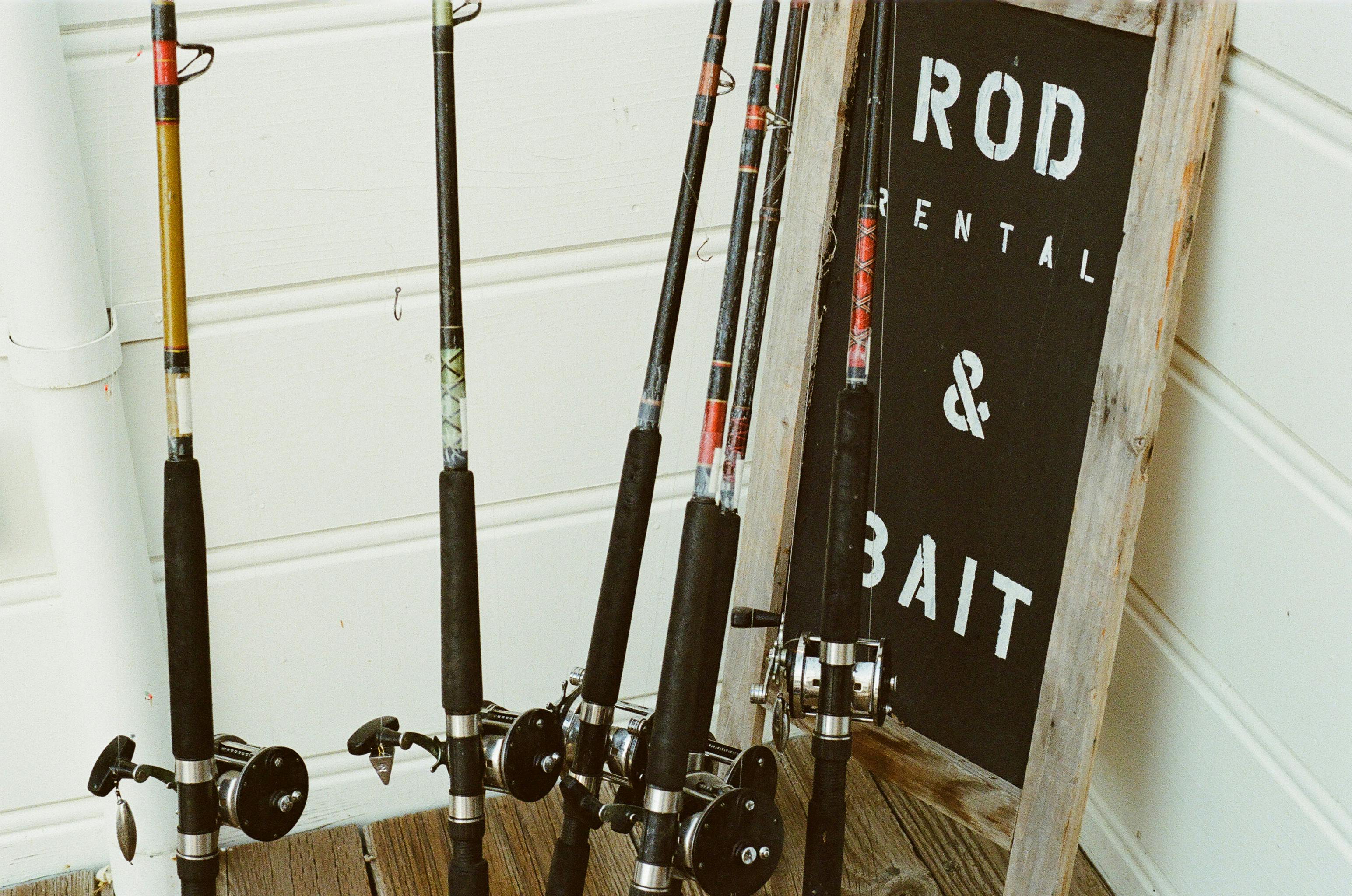
Fish Lizard lists rods and reel combos, lures, line, and terminal tackle across a range of budgets, which matters when you are building a shore kit rather than outfitting a boat.
Practical Tips for Fishing on Foot
Move with the tide rather than against it. Inlet and bridge fishing depends on current, and slack water is usually slow water. On the beach, spend the first ten minutes walking and reading the surf instead of casting blind, looking for the darker bands that mark deeper water close to shore. When you find one productive stretch, fish it thoroughly before moving.
Before any trip, confirm current rules with the FWC rather than relying on older information. Saltwater regulations, licenses, and area closures change, and pier or park-specific rules are set locally as well. A quick check on the official source protects the trip and the fishery.
Frequently Asked Questions
Do you need a boat to fish Florida’s best saltwater spots?
No. Every location in this guide can be fished from land, which is why piers, jetties, bridges, and beach access points come up so often in Florida fishing coverage. FWC’s fishing pier finder is a practical way to locate public access in an area you have never visited before.
Which spot is best for a first shore fishing trip?
Sebastian Inlet is a reasonable starting point because snook, redfish, and Spanish mackerel all show up there and the structure is obvious. Eastpoint fishing pier and the Lower Matecumbe bridges are simpler alternatives if you want a low-effort session without reading surf or scrambling over rocks.
What is the best time to fish these spots?
Timing varies by region and species, and FWC’s destination map addresses when the best time might be for each area. As a rule, moving water beats slack water at inlets and bridges, and low light is friendlier on the flats. Verify the specific area before you plan around a tide.
Where should I check rules before I go?
The Florida Fish and Wildlife Conservation Commission is the official source for saltwater fishing regulations, licensing, and any closures. Rules and seasons change, so confirm the current requirements for your target species and location rather than depending on a blog post or an old fishing report.
Are Gulf or Atlantic spots better for shore anglers?
They fish differently rather than better or worse. The Atlantic side offers inlets, surf, and long ocean beaches from Amelia Island down through Hutchinson Island. The Gulf side centers on bays and sounds such as Tampa Bay, Charlotte Harbor, Homosassa Bay, and the Panhandle access listed by FWC.