Florida’s reputation as a fishing state usually gets built on saltwater. Redfish on the flats, tarpon in the passes, snapper offshore. All of that is real, but it buries the other half of the story. The same state that produced the Ten Thousand Islands and Mosquito Lagoon also holds some of the most productive largemouth bass water in the country, and a good share of it is a short drive from a boat ramp or a public shoreline.
The catch is that Florida’s freshwater scene is spread out. Big-name lakes sit in the middle of the peninsula, a stump-filled reservoir hides just outside Tallahassee, and a handful of state park ponds deliver surprisingly good fishing without a boat. This guide breaks down where to point the truck, what each water is known for, and how to gear up so the day holds together.
Lake Okeechobee: The Bass Capital
If you only make one freshwater trip in Florida, Okeechobee is the obvious first stop. The Okeechobee County visitor information is blunt about it, calling the lake the bass capital of the world and a must-stop for Florida freshwater fishing. That is not pure hometown boosterism. Okeechobee shows up again and again on every serious list of Florida destinations, including the trophy-bass roundups that group it with the state’s most celebrated waters.
What makes the lake work for visiting anglers is scale. There is a lot of water, a lot of shallow cover, and enough pressure spread across the acreage that fish do not behave like they are constantly being fished over. It is also the kind of lake where a first-timer can catch fish without knowing every hump and shell bed, which is not always true of smaller, more technical waters.
Headwaters Lake, Rodman Reservoir, and Lake Toho
A widely cited 2024 roundup of Florida freshwater destinations named Headwaters Lake, Rodman Reservoir, Lake Toho, and Lake Okeechobee together as the state’s trophy-bass waters. That grouping is useful because it tells you what these lakes are for. They are not numbers lakes. They are places where a good day can put a genuinely large fish in the boat.
Headwaters Lake has built a reputation fast for a water that is still relatively new to most out-of-state anglers, and it gets mentioned in the same breath as lakes that have been producing big fish for decades. Rodman Reservoir has the opposite personality: heavy cover, big fish, and a following among anglers who like working thick vegetation. Lake Toho rounds out the trio and appears on essentially every short list of Florida freshwater destinations, including the recommendations anglers trade back and forth on forums.
Treat all three as cover-fishing water. Vegetation edges, pads, and submerged structure hold fish, and the bite tends to reward patience and accurate casting more than running and gunning.
The Harris Chain and the St. Johns River
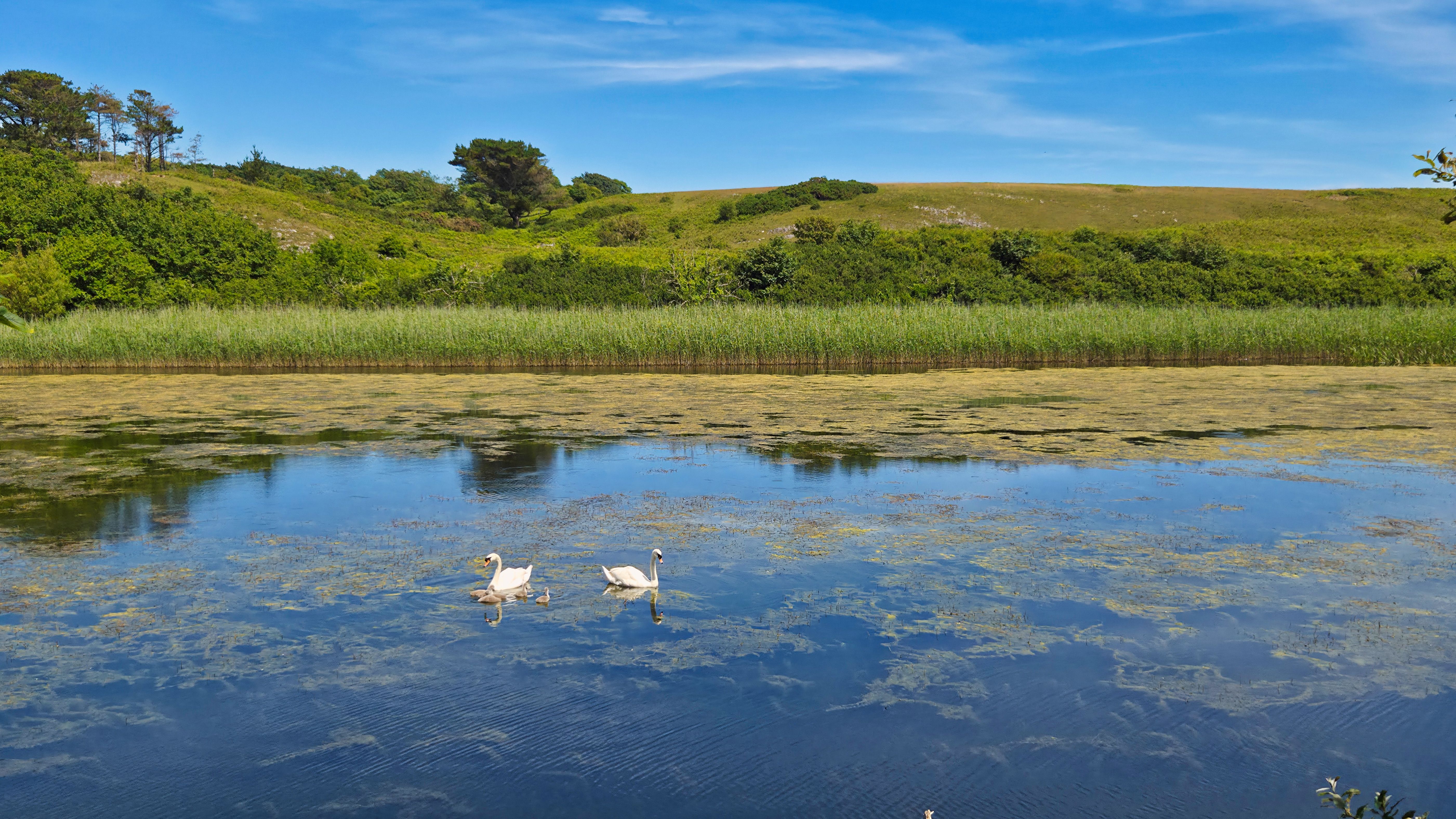
Ask Florida anglers where they would send someone for freshwater, and the answers cluster tightly. On one fishing forum thread, the reply was direct: central Florida, the St. Johns River, the Harris chain, or Lake Toho. That is a short list from people who fish the state regularly, and it points at a part of Florida where lakes and rivers sit close enough together that you can fish more than one in a long weekend.
The St. Johns River is the standout for anyone who prefers moving water to a lake. It gives you the option to fish current, fish backwater, or fish the edges where the river widens out. The Harris chain offers the lake experience with a more intimate scale than Okeechobee, which makes it a friendlier choice for anglers in smaller boats or kayaks. Both waters reward a simple approach: find the cover, fish it thoroughly, and move when the bite dies.
Lake Talquin: Panhandle Stump Fishing
Lake Talquin sits in the Florida Panhandle just outside Tallahassee, and it fishes nothing like the central Florida lakes. Florida freshwater guides describe it as stump-strewn water with a healthy largemouth bass population. That is the whole personality of the place in one sentence.
Stumps change how you rig. Standard advice for Talquin is to go with heavier line than usual to deter the abrasion that comes from dragging fish through timber and flooded cover. Line that is fine on open water will scuff and weaken here, and a lost fish on a stump is a lesson you only need once. The tradeoff is that the same cover that eats tackle also holds fish, which is why Talquin keeps a loyal following despite the punishment it hands out.
Ponds, Refuges, and State Park Waters
Not every good freshwater day requires a boat. Florida State Parks states plainly that its parks provide some of the best freshwater fishing in the world, and the park system covers an enormous range of water types, from small ponds to larger lakes and coastal areas. Some of that access is shoreline fishing, which is ideal for anglers traveling without a trailer.
One example worth knowing is Powell Lake, which appears among the popular fishing locations listed around St. Andrews State Park, alongside the area’s piers. Florida also has the Loxahatchee National Wildlife Refuge, which shows up on lists of favorite Florida fishing places and gives anglers a completely different setting than a developed lake. Refuge water tends to mean quieter access and more paddling than motoring, so plan accordingly.
It helps to separate freshwater names from saltwater ones on Florida’s favorites lists. Ten Thousand Islands, Islamorada, Mosquito Lagoon, Hutchinson Island, and Canaveral National Seashore are coastal or brackish destinations. The freshwater entries on the same lists are the Loxahatchee refuge and Lake Okeechobee. Both matter, and they should not be blended together when you are planning a trip.
Matching Your Gear to the Water
Florida freshwater fishing is less about one magic bait and more about choosing tackle that survives the environment you are fishing. A lake full of stumps asks something different of your line than an open reservoir. Use the table below as a quick reference before you load the boat.
| Water | What it is known for | Gear note |
|---|---|---|
| Lake Okeechobee | Bass capital of the world; trophy-bass water | Standard bass tackle; plenty of water to cover |
| Headwaters Lake, Rodman Reservoir, Lake Toho | Trophy-bass destinations | Cover-oriented setups for vegetation and structure |
| Lake Talquin | Stump-strewn water with a healthy largemouth population | Heavier line to handle abrasion |
| St. Johns River, Harris chain | Angler-recommended freshwater in central Florida | Versatile setups for current and lake edges |
| State park ponds and lakes | Shoreline-friendly fishing access | Simple one-rod setups that travel easily |
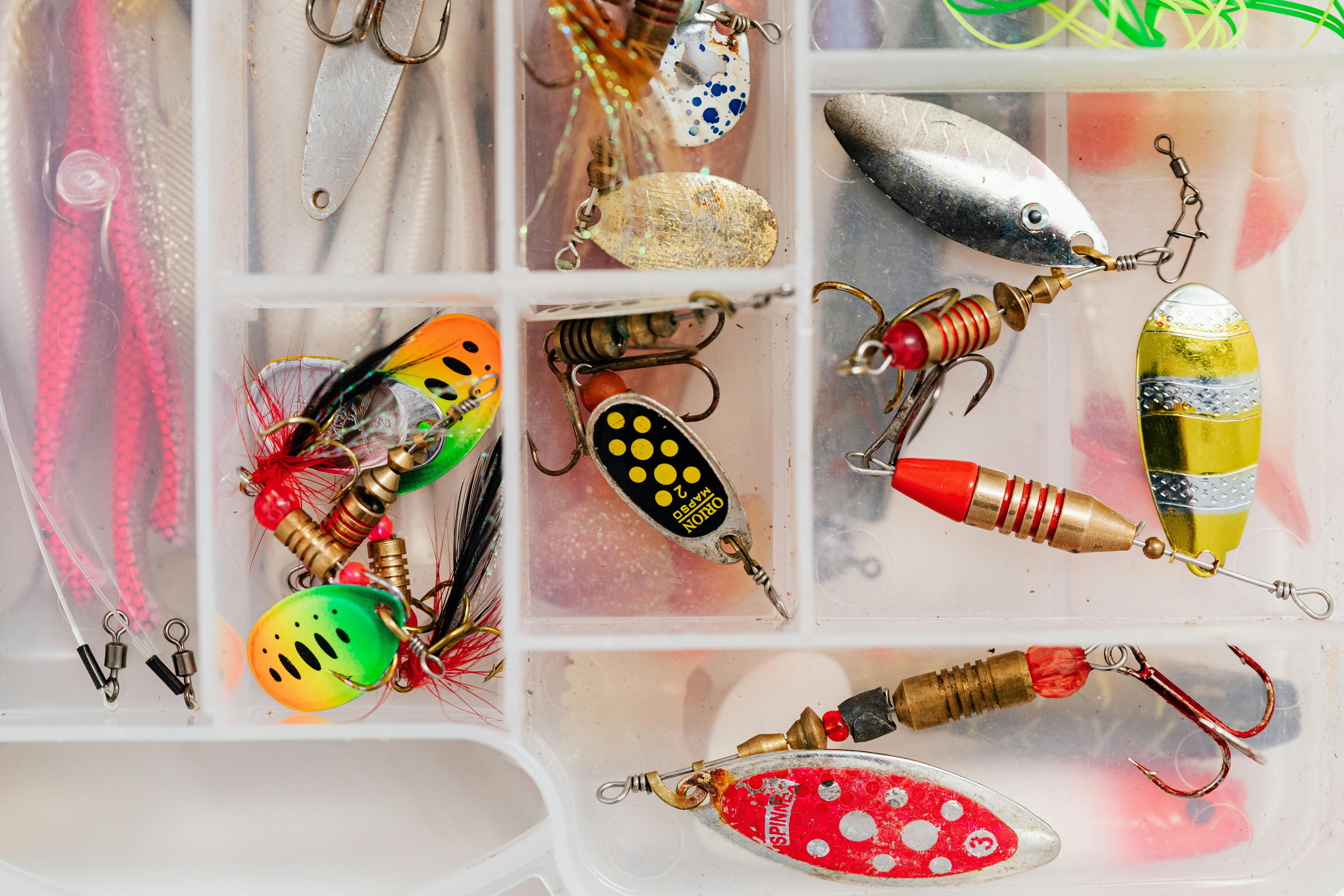
Line choice does the most work in Florida fresh water. Braid holds up well around vegetation and timber, while a fluorocarbon leader keeps a low profile in clearer water. On Talquin, the abrasion warning is the single most practical piece of advice in this guide, so do not go light just because you are fishing a lake instead of the ocean.

Planning the Trip
Florida’s freshwater fishing is spread across the peninsula and the Panhandle, so the biggest planning decision is geography. Central Florida gives you Okeechobee, Toho, the Harris chain, and Headwaters Lake within reach of each other. The Panhandle gives you Talquin and the state park waters near St. Andrews. Picking one region and fishing it well beats trying to hit both ends of the state in a single trip.
Before you launch, confirm current rules with the Florida Fish and Wildlife Conservation Commission. Regulations, seasons, and access details change, and the FWC is the authority rather than any blog post, including this one. Check ramp conditions locally too, since lake levels and access can shift through the year. Bring more line and more terminal tackle than you think you need, because stump lakes and vegetation eat both.
Frequently Asked Questions
What is the best freshwater fishing lake in Florida?
Lake Okeechobee is the most commonly named answer. Okeechobee County’s visitor information calls it the bass capital of the world and a must-stop for Florida freshwater fishing, and it appears on trophy-bass lists alongside Headwaters Lake, Rodman Reservoir, and Lake Toho. For a first freshwater trip in the state, it is the safest single choice.
Can you catch bass in Florida without a boat?
Yes. Florida State Parks notes that its parks offer some of the best freshwater fishing in the world, and many park waters allow shoreline access. Small ponds, refuge waters, and park lakes are realistic options for bank anglers. Verify access rules and any restrictions with the specific park before you go.
Why do anglers recommend heavier line at Lake Talquin?
Talquin is stump-strewn water, and dragging a fish through timber scuffs and weakens line. Florida freshwater guides recommend going heavier than usual specifically to deter that abrasion. The cover is what holds the fish, so accepting the tackle risk is part of fishing this Panhandle lake effectively.
Which Florida freshwater spots do local anglers mention most?
Forum recommendations tend to name central Florida generally, the St. Johns River, the Harris chain, and Lake Toho. That matches the broader picture, since central Florida holds most of the state’s marquee bass lakes. Anglers who prefer moving water usually point at the St. Johns River, while lake fans gravitate toward the Harris chain.
Good freshwater fishing in Florida rewards a simple plan: pick a region, commit to one or two waters, and rig for the cover you expect to fish. Whether you end up on Okeechobee’s open flats, picking apart Talquin’s stumps, or casting from the bank at a state park, the state has more freshwater than most visiting anglers ever get around to fishing.