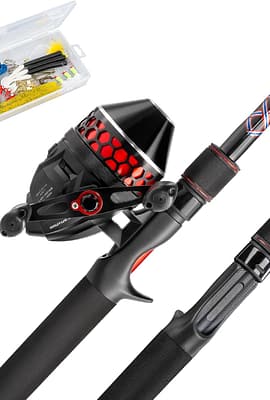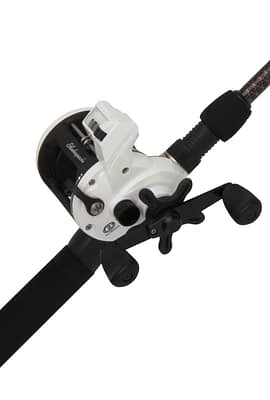
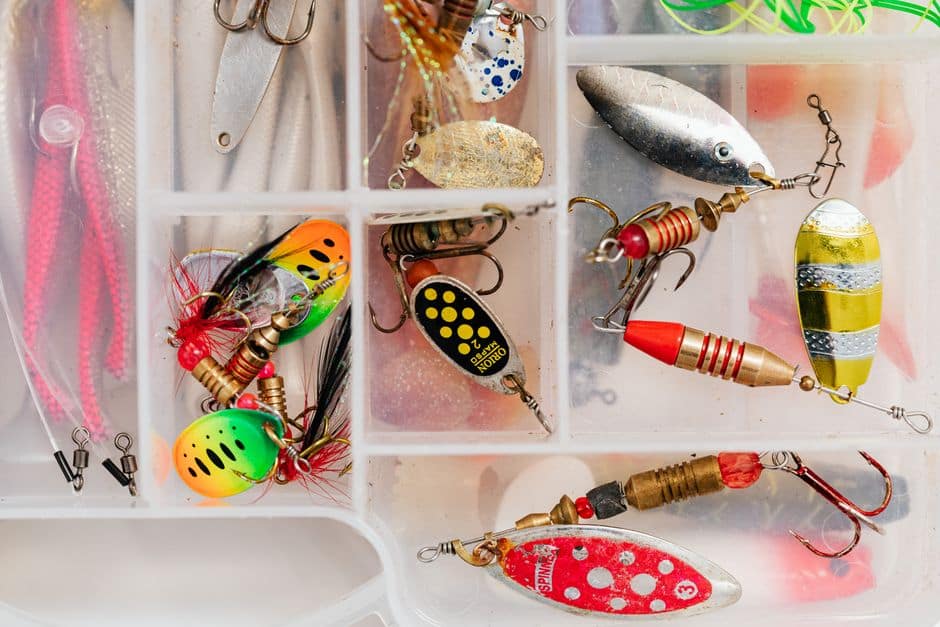
Lure aisles are organized by shape and name, but fish are not. A crankbait, a curly tail grub, and a slow-pitch jig can sit on the same shelf while doing completely different jobs. The faster way to shop is to start with the fish you expect to catch and the water you plan to fish, then work backward to the lure families that fit. This guide breaks the 2026 lure catalogs down that way, using the categories brands and retailers actually list.
Lure Families First, Brand Names Second
Most tackle retailers sort lures into a small set of repeatable categories. Pure Fishing lists hardbaits, softbaits, frogs, spinnerbaits, swimbaits, jigs, and dough baits in one collection. Lurenet separates buzzbaits, crankbaits, crappie baits, craws, floats, frogs, glow baits, ice fishing lures, jerkbaits, jigs, and rigs and snells. Strike King groups its lineup as hard baits, soft baits, jigs and spoons, wire baits, and saltwater. Learn those families and the catalog stops feeling random.
| Lure family | What shows up in catalogs | Where it fits |
|---|---|---|
| Hardbaits | Crankbaits, jerkbaits, stickbaits, poppers | Covering water and imitating baitfish |
| Softbaits | Swimbaits, craws, curly tail grubs | Slow presentations and versatile rigging |
| Wire baits | Spinnerbaits, buzzbaits | Flash, vibration, and surface disturbance |
| Jigs and spoons | Casting jigs, slow-pitch jigs, knife jigs, Kastmaster-style spoons | Fishing depth and vertical structure |
| Topwater | Frogs, poppers | Shallow water and surface feeding |
| Ice and glow | Ice fishing lures, glow baits | Cold water and low light |
Freshwater Lures by Species
Freshwater covers ponds, reservoirs, rivers, and hard water. The lure list shifts with the fish and the season, but the families stay steady. Match the family to the fish first, then pick size and color.
Bass
Bass carry the deepest lure bench in freshwater. Buyer’s guides for 2026 still break the bass lineup into categories rather than promoting one magic bait, and that is the right approach for building a box. Crankbaits and jerkbaits search open water. Spinnerbaits and buzzbaits are wire baits that add flash and surface noise. Frogs fish shallow, weedy edges. Jigs and craws slow down and stay in contact with cover. Soft plastic swimbaits split the difference between finesse and power fishing. Strike King’s lineup, with hard baits, soft baits, jigs and spoons, and wire baits, maps closely to those jobs.
Crappie and Panfish
Crappie baits get their own shelf because size matters more than flash. Lurenet lists crappie baits as a standalone category, and smaller soft plastics appear throughout retailer collections, including items like Hawaiian Angler 2 inch Curly Tail Grubs. For panfish, the working logic is simple: smaller profile, lighter hardware, and presentations that stay in the strike zone longer. A big bass swimbait is the wrong tool in a crappie lake.
Ice Fishing
Ice fishing lures and glow baits appear as separate categories in the Lurenet catalog, which tells you something about how specialized cold water tackle has become. Glow finishes get grouped on their own because low light and stained water change how a lure reads to a fish. If you fish hard water even a few times a season, a small dedicated tray of ice lures makes more sense than raiding your open water box.
Saltwater Lures by Water
Saltwater splits cleanly into inshore and offshore, and retailers follow that split. Fishermen’s Source stocks inshore and offshore saltwater lures and baits as distinct collections, which is a useful reminder that a bay lure and a boat lure are rarely interchangeable.
Inshore Saltwater
Inshore work favors smaller profiles and lighter jigs. Look at listings for jigs, swimbaits, stickbaits, poppers, and spoons, plus soft plastics and flies such as the Papio Glow Flies and Papio Flys by Scrogg’s Sticky Flies that show up in general lure collections. Strike King also lists a saltwater line built on its hard bait, soft bait, and jig foundations. Inshore fishing rewards a handful of proven shapes over a giant box.
Offshore and Deep Water
Offshore tackle leans on weight, hardware, and a completely different fishing rhythm. CharkBait describes its saltwater collection around West Coast iron: surface and yo-yo iron, knife jigs, slow-pitch and casting jigs, swimbaits, stickbaits, poppers, and trolling lures from Salas, Tady, Nomad, and more. Southern California anglers fish those categories hard, and the retailer notes that much of the selection is hard to find elsewhere. If you are new to offshore, start with one jig style and one trolling or surface option before you buy a full spread.
Read the Water Before You Tie On
Water tells you more than the packaging does. Ask four questions before you open a box: how deep is the fish holding, is anything feeding on the surface, how much water do you need to search, and what kind of cover are you fishing around. Surface activity points toward frogs and poppers. Deep, vertical work points toward jigs and spoons. Wide, unknown water favors crankbaits and swimbaits that cover ground quickly. Ponds get their own category on Lurenet, and that makes sense because pond fishing compresses all of those decisions into a small area.
| Scenario | Reasonable starting lures |
|---|---|
| Bass in ponds and small lakes | Frogs, spinnerbaits, buzzbaits, jigs with craws, a square crankbait |
| Crappie and panfish | Crappie baits, small jigs, curly tail grubs |
| Ice | Ice fishing lures, glow baits |
| Inshore saltwater | Jigs, swimbaits, stickbaits, poppers, spoons |
| Offshore and deep water | Knife jigs, slow-pitch jigs, surface iron, trolling lures |
What the 2026 Catalogs Show About Price and Availability
Premium hardbaits carry premium tags. One saltwater retailer’s lure listings showed hardbaits at $39.99 and $49.99, with a couple of those models marked sold out. That sold-out label matters as much as the price, because a lure you cannot buy is not a deal no matter how good the reviews are. Basic jigs, spoons, and soft plastics sit far below those numbers and catch plenty of fish. Check stock before you fall in love with a specific model.
Building a Lure Box That Covers More Water
- Start with one or two baits from each major family instead of ten versions of one lure.
- Add a species-specific tray for the fish you chase most, whether that is crappie baits, ice lures, or inshore jigs.
- Keep spare jig heads and soft plastics in the bag, since softbaits get torn up faster than hardbaits.
- Replace or refill the box each season based on what you actually threw, not what looked good online.
- Buy the inexpensive version of a new family first, learn how it fishes, then upgrade in the categories you use most.

Buying Lures Through Fish Lizard
Fish Lizard is an affiliate store, which means it lists sport fishing tackle and gear and sends buyers to Amazon to complete the purchase rather than processing orders directly. The catalog spans rods and reel combos, fishing line, lures, baits and attractants, and boat and marine parts. Prices and availability change on Amazon’s side, so confirm the current listing, size, and color before checkout. Nothing in this guide should be read as a live price quote.
Frequently Asked Questions
What are fishing lures used for?
A fishing lure is an artificial bait built to draw a fish’s attention and trigger a strike, usually through movement, flash, sound, or scent rather than actual food. Catalogs group lures by family such as hardbaits, softbaits, jigs and spoons, and wire baits, and each family presents differently in the water. Anglers choose among them based on species, depth, and how the fish are feeding.
What fish do lures attract?
Lures are sold for a wide range of species. Freshwater catalogs include bass, crappie, and panfish categories alongside ice fishing lures, while saltwater retailers separate inshore and offshore baits. The species you target determines size, action, and hardware far more than brand preference does. Start with the fish found in your local water and pick lure families that match.
What are good lures for saltwater inshore fishing?
Inshore work favors smaller presentations than offshore boats use. Inshore listings include jigs, swimbaits, stickbaits, poppers, and spoons, plus soft plastics and flies. Match lure size to the bait you see in the water, and keep a surface option ready for calm mornings. Local shops remain the best source for what is working in a specific bay or inlet.
How many lures do you actually need to start?
A practical starting box holds one or two baits from each major family rather than ten versions of a single lure. That means a crankbait or two, a jerkbait, a spinnerbait, a buzzbait, a frog, a few jigs with soft plastics, and a spoon. Add species-specific items like crappie baits or ice lures as your water demands.
Are expensive lures worth the money?
Price and catch rate are not the same thing. The catalogs reviewed here show premium hardbaits listed at $39.99 and $49.99, sometimes sold out, while basic jigs, spoons, and soft plastics cost far less. Expensive baits generally buy finish, hardware, and consistency. Buy the cheap version of a family first, learn how it fishes, then upgrade where you actually fish it.