
A spinning rod and reel combo takes most of the guesswork out of buying gear. The reel is already matched to the rod, the rod is rated for that reel, and you can spool it up and go fish. Berkley builds its combos around that idea, describing each rod and reel as perfectly paired for optimal use with smooth, reliable execution on the water. The only real decision left is which pairing fits the water you fish.
Spinning tackle earns its popularity because it covers so much ground. A Florida Fish and Wildlife Conservation Commission instructional video points out that a spinning rod and reel is very useful, very popular, and works in all different types of fishing situations. Wired2Fish makes a similar case from the angler’s side, describing one spinning rod used to cast topwater spooks and weightless worms to bass, soft plastics such as flukes and paddle-tail minnows to speckled trout, and large cut mullet to tarpon. Those were different rods, but the reel style stayed the same.
Start With the Fishing You Do Most
The fastest way to narrow a crowded shelf of combos is to answer a few questions about your own habits before you look at any product page.
- Freshwater or saltwater? Retailers sell distinct freshwater and saltwater spinning combos, and the two categories are built for different conditions. Bass Pro Shops lists spinning combos for both.
- What species are you chasing? Panfish and small bass put very different demands on gear than tarpon or big stripers.
- Where do you cast from? Bank, kayak, pier, and boat all change how much rod length helps you and how much you want to carry.
- What lures do you throw most? Lure weight is the single biggest driver of rod power and reel size.
- How often will you fish? A combo used twice a month has different requirements than one used twice a week.
Write the answers down. They become your filter for everything that follows.
Know the Combo Categories
Before comparing individual models, it helps to understand where a spinning combo sits among the options. Major retailers group rod and reel combos into four broad categories, and each one is aimed at a different style of fishing.
| Combo type | Typical use |
|---|---|
| Spinning | Versatile all-around work, easy casting with lighter lures, suitable for many freshwater and saltwater situations |
| Spincast | Push-button simplicity, often chosen for casual or beginner fishing |
| Baitcast | Anglers who want thumb control over the spool and heavier line handling |
| Conventional | Heavy-duty work, commonly associated with bigger saltwater applications |
Spinning gear is the middle ground that fits the most people. It casts light lures well, handles line that would cause headaches on other reel types, and works across a wide range of species. If you are building one setup to do many jobs, spinning is usually the answer.
Rod Length, Power, and Action Explained
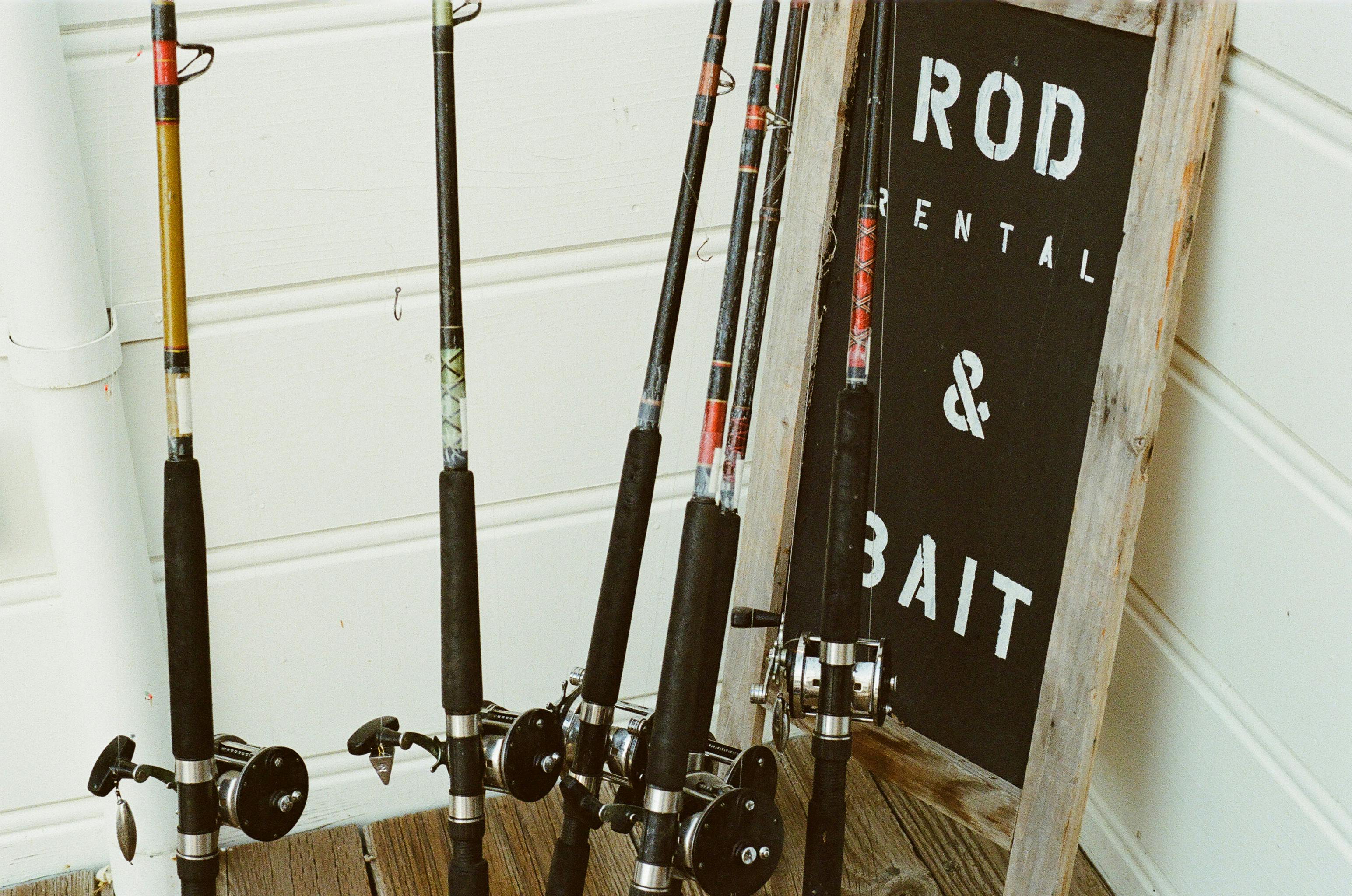
These three words appear on every rod blank and every product listing, and they are the reason two rods of the same brand can behave nothing alike. Reading them correctly is the core skill in choosing a combo.
Rod Length
Length affects casting distance, leverage, and how easy the rod is to manage in tight quarters. Longer rods generally cast farther and pick up line faster on a hookset, which helps when fishing from shore or a pier. Shorter rods are easier to handle in a kayak, a small boat, or under overhanging trees. There is no universally correct number, only a length that suits your casting platform and target distance.
Rod Power
Power describes how much weight it takes to bend the rod, and it is usually labeled light, medium, medium-heavy, or heavy. Heavier power means more backbone for bigger fish and heavier lures, while lighter power lets small lures cast farther and gives more feel on small fish. Match power to the lures you throw and the fish you expect, not to the biggest fish you might hook someday.
Rod Action
Action describes where the rod bends, from fast near the tip to slow toward the handle. Fast action rods bend mostly in the upper section, which helps with quick, forceful hooksets and precise lure control. Slower action rods bend deeper into the blank and are more forgiving when a fish surges or when you are casting treble-hook lures. Neither is better, but they feel very different in your hands.
Match the Reel to the Rod
A combo gets its value from the pairing, so look at the reel as a partner to the rod rather than a separate purchase. The reel seat on the rod has to accept the reel foot cleanly, and the reel size has to be sensible for the rod’s line rating. A reel that is too large makes a light rod feel clumsy and tip heavy. A reel that is too small leaves you short on line capacity and drag when a good fish runs.
Pay attention to these reel details on any combo listing:
- Line capacity and the line weights the reel is rated to hold
- Drag system type and the maximum drag figure
- Gear ratio and how much line the reel picks up per handle turn
- Bearing count, which is one indicator of smoothness, though not the only one
- Spool depth, since shallow spools suit lighter line and deep spools hold more
Line choice ties into all of it. Braided, monofilament, and fluorocarbon each behave differently on a spinning spool, and the reel’s rating tells you what it was designed to handle. Check the manufacturer’s specification before you spool up.
What Your Budget Actually Buys
Spinning combos cover a wide price span. One major retailer’s combo listings run from roughly the high double digits into the low hundreds depending on the brand and build, which means you can find a workable starter setup and a serious multi-season outfit on the same page. The gap between them usually shows up in reel smoothness, drag consistency, guide quality, and how the blank handles stress over time.
As a general approach, spend enough to get a reel with a drag you trust, and let the rod follow. A smooth drag keeps fish hooked far more reliably than a stiffer blank does. Shop current pricing rather than any figure quoted in a guide, since combo prices shift with sales and model updates.
Named Picks Worth Comparing
Several brands come up repeatedly in combo coverage, and a few specific models have been singled out by reviewers. Kayak Angler Magazine’s 2026 combo roundup names the Shimano Nexave as the best spinning combo overall, the Okuma Veros as the best budget pick, and the KastKing ReKon as the best lightweight option. KastKing markets its Centron spinning rod and reel combos around value and performance across fishing applications. Berkley, Ugly Stik, and Bass Pro Shops all carry spinning combos as well, and Wired2Fish publishes ongoing spinning rod coverage across freshwater and saltwater brands.
Treat any list as a starting point rather than a verdict. Model years change, components get revised, and the combo that suits a bass angler in a kayak may be wrong for someone casting from a Gulf pier.
A Pre-Purchase Checklist
Run through these steps before you add anything to a cart.
- Confirm the combo is labeled for freshwater or saltwater, matching your primary water.
- Read the rod length, power, and action, and check they fit your lure weights.
- Check the reel size, line capacity, and drag rating against the fish you target.
- Verify the rod and reel are sold as a matched pair, not two separate items bundled by a third party.
- Look at user reviews for complaints about reel failures, guide damage, or handle wobble.
- Compare the current price against similar combos from other brands before buying.
- Confirm the return policy on the retailer’s own page.
That last point matters more than most buyers expect. Combos are shipped as one unit, and a rod that arrives with a cracked guide is a return, not a repair project.

Where Fish Lizard Fits In
Fish Lizard is an affiliate store, which means it lists sport fishing tackle and outdoor gear and sends buyers to Amazon to complete the purchase. Orders are not processed on this site. That structure is useful for combo shopping because it lets you compare listings, brands, and current prices in one place before you commit, including KastKing, PENN, and Berkley gear alongside reels, line, and lures. Always confirm final specs and pricing on the Amazon listing itself.
Frequently Asked Questions
What is the best rod for a spinning reel?
There is no single best rod, because the right one depends on your lures, your target species, and where you fish. A spinning rod needs guides and a reel seat built for a spinning reel, plus power and action that suit your lure weights. The reel should then match the rod’s line rating and balance it so the outfit does not feel tip heavy.
What’s the best spinning rod and reel combo?
It depends on budget and use. Kayak Angler Magazine’s 2026 roundup names the Shimano Nexave as best overall, the Okuma Veros as best budget, and the KastKing ReKon as best lightweight. KastKing positions its Centron combos around value and performance across applications. Compare current models and pricing rather than trusting a single list.
Can a spinning reel go on any rod?
No. A spinning reel needs a rod designed for spinning, with a guide layout and reel seat that fit it properly. Mounting a spinning reel on a casting rod will not work correctly. Beyond physical fit, the reel should suit the rod’s line rating and balance the blank so the combo casts and fights fish well.
What is the best rod for spinning fishing?
Spinning tackle works across many situations, so a versatile middle-of-the-road rod covers the most ground. Choose heavier power for bigger fish and heavier lures, lighter power for small lures and small species, and a length that fits your casting platform. Wired2Fish notes that different rods suit different applications, so match yours to the fishing you do most.
Are spinning combos good for saltwater?
Yes, when you choose one built for it. Bass Pro Shops lists spinning combos for both freshwater and saltwater, and FWC instructional material shows spinning gear used in saltwater situations. Pick a saltwater-labeled combo for coastal fishing, then follow the manufacturer’s care and maintenance instructions to protect the reel and guides.
Choosing a spinning rod and reel combo comes down to matching a few measurable specs to a few honest answers about how you fish. Get the rod power and action right for your lures, get the reel sized and balanced to the rod, and buy at a price point you are comfortable replacing someday. Everything else, from brand name to bearing count, is a detail you can sort out once those basics line up.