
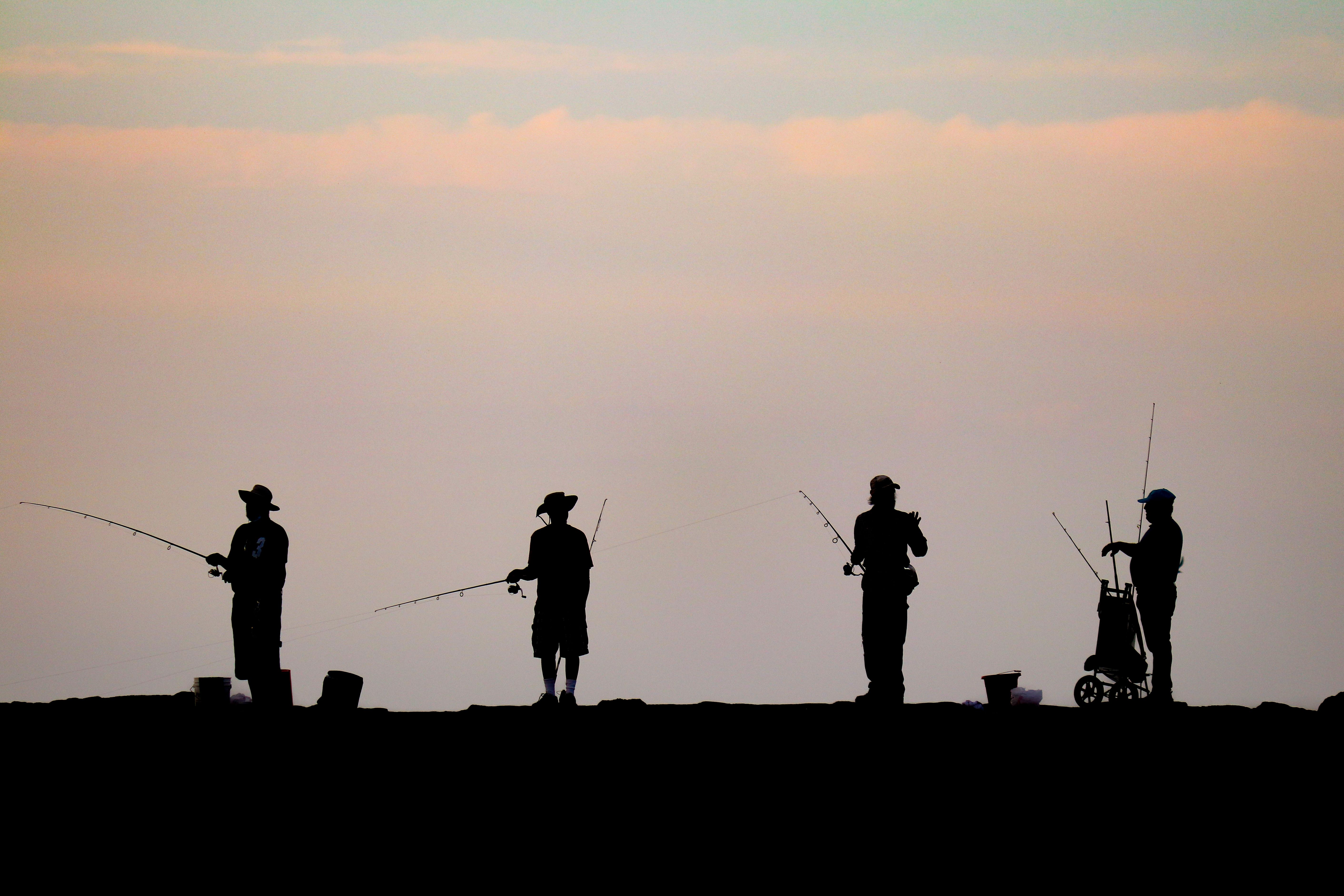
Surf fishing asks a rod to do something a pond rod never has to do: throw weight a long way from dry sand, then hold up against salt, wind, and moving water. Surf rods are built for exactly that job. They are designed to cast baits and lures a great distance from the shoreline into the surf zone, and the good ones stay dependable along beaches, jetties, and piers.
If you already own a general purpose rod, you are not starting from zero. Plenty of anglers fish their first surf seasons with a 6-foot-6 all-around setup and catch fish with it. The catch is range. When the fish sit past your casting distance, or when the wash keeps dragging your line sideways, a rod built for the surf starts to matter.
Three specs decide almost everything about how a surf rod feels on the beach: length, power, and action. Understand those three and you can compare any rod in a listing without guessing.
Why a Surf Rod Is Different From a Standard Rod
A surf rod is not just a longer version of a bass rod. The whole package is shaped around distance casting and saltwater survival.
- A longer handle gives you room for a two-handed cast, which is how most surf anglers load a rod.
- The blank is built to carry heavy payloads, including bait rigs, swimbaits, and metal jigs.
- Components are chosen to resist corrosion from salt spray and wet sand.
- Guide layouts are spaced to let line flow out cleanly on a long cast.
Manufacturers describe this differently, but the intent is consistent. Okuma, for example, describes surf rods as built for long-distance casting, saltwater durability, and dependable performance along beaches, jetties, and piers, with powerful blanks, balanced actions, and corrosion-resistant components for harsh saltwater environments. That description matches what any surf rod should do, regardless of brand.
The species list matters too. Surf rods commonly target striped bass, perch, halibut, and other coastal gamefish. Some of those fish are small, some are not, and a single rod often has to handle both on the same trip. That tension is what length, power, and action are balancing.
Length: How Much Distance You Actually Need
Length is the most visible spec and the easiest to get wrong. Surf rod lengths generally start around 7 feet and stretch longer from there, so even the short end of the category is longer than a typical freshwater rod.
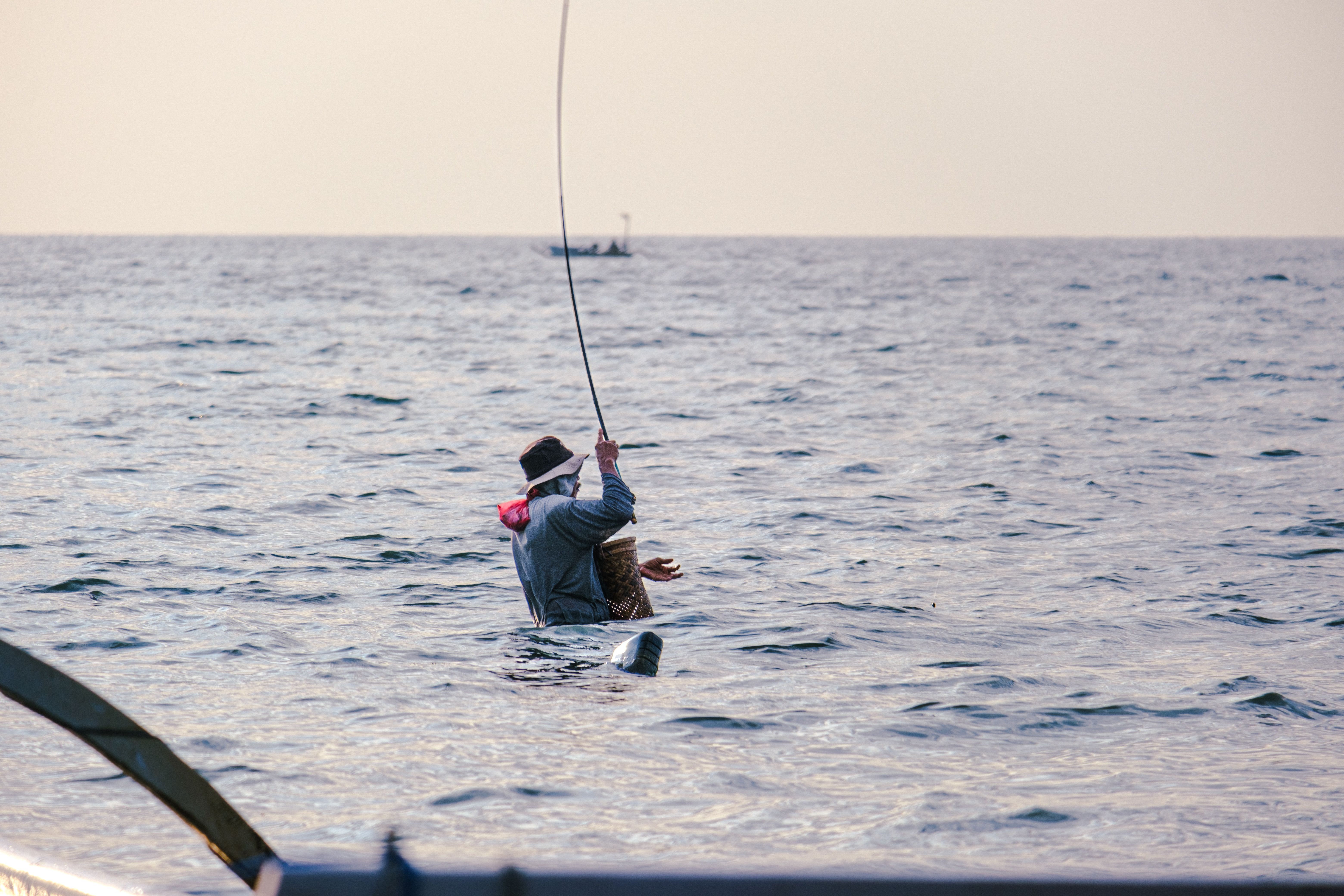
More length buys you two things: casting distance and line control. A longer rod lets you load more line on the cast, and it holds more of that line up out of the wash where currents and wave action cannot drag it down the beach. On open sand with a trough or sandbar out past the breakers, that extra reach is the difference between fishing the productive water and fishing the shorebreak.
Shorter surf rods have their own advantages. They are easier to control on a crowded jetty or pier, easier to cast in tight quarters, and less tiring to carry on a long walk. If your local surf is shallow and the fish feed close, a shorter rod does the same job with less work.
For a first surf rod, pick the length that matches where you actually fish. If you mostly fish open beach and want to reach structure, lean longer. If you fish piers, jetties, and inlet edges where fish are within reach, a shorter rod will be more pleasant to use all day.

Power: Matching the Rod to Your Sinkers and Your Fish
Power describes how much load it takes to bend the blank. It sets the weight range the rod casts comfortably and the amount of leverage it gives you when a fish pulls back.
- Lighter power suits small bait presentations, light lures, and smaller coastal species such as perch.
- Medium power is the flexible middle ground that handles a wide spread of baits and fish.
- Heavier power is built for big sinkers, heavy current, and larger fish such as striped bass.
The practical rule is to match power to the weight you will cast most often, not the heaviest weight you might cast once. A rod that is overpowered for your usual bait will feel stiff and will not load properly on the cast, which costs you distance. A rod that is underpowered will feel overloaded and sluggish when you push it.
Check the rod’s printed lure and sinker rating before you buy, and treat that rating as the real limit. If the specs are not listed clearly on the product page, ask the seller or check the manufacturer’s site before ordering.
Action: Where the Blank Bends
Action is about where the rod bends when it loads. It is often confused with power, but they are separate specs. A heavy rod can have a fast action, and a light rod can have a moderate action.
- Fast action bends mostly in the upper section. It casts well, feels sensitive, and gives crisp feedback on lure movement and bottom contact.
- Moderate action bends through the middle of the blank. It is more forgiving on the cast and on the fight, which makes it easier to learn with.
- Slow action bends deep into the butt section. It is often used with bait rigs, where a soft, progressive bend helps keep hooked fish pinned.
Beginners generally learn faster on a moderate or moderate-fast action rod. The blank loads with less precise timing, which means fewer blown casts while you are still figuring out your swing. Fast action rods reward good technique with more distance and sensitivity, but they punish sloppy timing more.
Saltwater Components and Long-Term Durability
Salt is the quiet killer of fishing gear. A rod can have perfect length, power, and action and still fail early if the guides, reel seat, and finishes are not built for the environment.
Look for corrosion-resistant guides and a reel seat that holds a reel firmly without wobbling. After every trip, rinse the rod with fresh water, wipe it down, and let it dry before it goes back in a sleeve or rack. Sand works its way into reel seats and guide feet, so a quick rinse prevents most of the damage that shortens a rod’s life.
Rod and Reel Balance
A surf rod only performs as well as the reel hanging off it. A reel that is too small for the rod will feel unbalanced and will not hold enough line for a long cast. A reel that is too large makes the whole setup nose-heavy and tiring to cast for hours.
If matching gear sounds like a headache, a rod and reel combo removes most of the guesswork. Combos are sold as matched pairs, so the reel seat, guide layout, and line capacity are already in the same range. Retailers carry surf fishing rods, reels, and combos side by side, which makes it easy to compare a combo against buying the two pieces separately.
Brands with long histories in the surf category are worth a look when you are comparing. Lamiglas notes over 60 years of dedication to the surfcasting community, and St. Croix lists surf models including Seage, Avid Series Surf, and Legend Surf across different tiers. Okuma and PENN both publish surf-specific rod and combo lines as well. Fish Lizard lists rods and reel combos from brands including PENN, KastKing, and Berkley, which is a reasonable starting point for price comparison before you check the specs on the manufacturer’s page.
Building a First Surf Setup: A Simple Checklist
- Decide where you fish most: open beach, jetty, pier, or inlet.
- Pick a length that reaches the water you actually want to fish, starting from the 7-foot range and going longer only if you need the distance.
- Choose a power rating that matches the sinker or lure weight you will use most often.
- Choose a moderate or moderate-fast action while you are still learning timing.
- Confirm the rod is rated for saltwater use, with corrosion-resistant components.
- Match a reel with enough line capacity for the rod, or buy a matched combo.
- Verify current specs, price, and availability on the seller’s listing before you order, since specs change between production runs.
A first surf rod does not have to be fancy. It has to be long enough to reach fishable water, strong enough for the weight you cast, and forgiving enough that you can learn a repeatable cast. Get those three right and you will spend your first season fishing instead of fighting your gear.
Frequently Asked Questions
What kind of rod is best for surf fishing?
A dedicated surf rod is the best starting point because it is built for casting distance and saltwater exposure. Look for a rod rated for the sinker or lure weight you plan to use, with corrosion-resistant guides and a reel seat that holds firm. A moderate action blank is easier for new anglers to load consistently than a fast action blank.
Is a 7 foot rod too small for surf fishing?
No, 7 feet is within the range where surf rods generally begin. A 7-foot rod can work well on piers, jetties, and beaches where fish feed close to shore. It will not cast as far as a longer rod, so choose based on how far you actually need to reach fishable water.
What is the difference between a beach rod and a surf rod?
The two terms are often used interchangeably by retailers and anglers. In general, rods labeled as beach rods tend to be lighter setups intended for shorter casts and smaller coastal species, while surf rods emphasize distance casting and heavier payloads. Check the printed lure and sinker rating on any rod before assuming what it can handle.
What is a good budget surf rod?
A good budget surf rod is one that matches your local conditions rather than one with the lowest price tag. Compare entry-level surf rods and matched combos from established saltwater brands, confirm the rod is rated for the weights you cast, and verify current pricing and specs on the seller’s listing before buying.
Do I need a special reel for a surf rod?
You need a reel with enough line capacity and drag to match the rod’s power rating. A reel that is too small will leave you short on line during a long cast and may not balance the rod. Buying a matched rod and reel combo is the simplest way to avoid mismatched gear.