Florida gets called the fishing capital of the world, and once you look at a map of the state it is easy to see why. You have the Florida Keys and the Everglades in the south, big freshwater lakes in the middle, the Gulf Coast on one side, the Atlantic on the other, and a Panhandle and Big Bend stretch that plenty of lifelong residents still have on their bucket list. The hard part is not finding water. The hard part is picking where to go first.
This guide breaks the state into the areas anglers actually talk about, covers both saltwater and freshwater options, and points you toward the official resources that tell you what you might catch and when the best time might be. Treat it as a starting map, not a rulebook, and confirm current rules with the Florida Fish and Wildlife Conservation Commission before you wet a line.
Saltwater or Freshwater First?
The single most useful decision you can make before planning a Florida trip is whether you want saltwater action or a freshwater day. The two experiences barely resemble each other, and the state does both well.
- Saltwater: Tampa Bay, Sarasota, Honeymoon Island, and the Florida Keys come up again and again as solid choices, along with Destin and the beaches along the Atlantic.
- Freshwater: Lake Okeechobee is the obvious pick, with central Florida, the St. Johns River, the Harris chain, and Lake Toho rounding out the list for inland anglers.
- Both in one trip: south Florida lets you bounce between backcountry saltwater and freshwater marsh without a long drive.
If you are new to the state, pick one lane and go deep on it rather than trying to sample everything in a week.
South Florida and the Florida Keys
The southern third of the state packs an unusual amount of variety into a short drive, which is why so many anglers never bother going anywhere else.
Islamorada and the Upper Keys
Islamorada is one of the most frequently named favorites in Florida, and it earns that reputation with options at both ends of the spectrum. Offshore anglers run out to a spot known locally as The Hump. Anglers who would rather stay close to shore simply dangle a line from the bridges of Lower Matecumbe Key. Having a serious offshore destination and an easy bridge fishing option in the same town is rare, and it makes Islamorada a good pick for mixed groups where not everyone owns a boat.
Ten Thousand Islands
The Ten Thousand Islands region is the classic backcountry destination. This is maze country, a tangle of mangrove shoreline and shallow water where the fishing is about reading currents and working edges rather than running far offshore. It rewards patience and a willingness to explore. If you like quiet water and do not need a crowd around you, this is one of the best fishing spots in Florida to build a trip around.
Everglades National Park
The Everglades shows up on nearly every short list of top Florida fishing destinations, and for good reason. It offers an enormous amount of fishable water and a sense of scale you will not find in a residential canal. Plan ahead, since this is a large and lightly developed area, and check the rules that apply specifically to the park before you go.
Loxahatchee National Wildlife Refuge
For freshwater in the south, the Loxahatchee National Wildlife Refuge is a repeat favorite among local anglers. It gives you a freshwater counterweight to all the saltwater options nearby, which is handy when wind or conditions shut down your original plan.
Freshwater Fishing in Central Florida
Central Florida is the state’s freshwater heartland, and locals tend to rattle off the same short list when asked where to go.
Lake Okeechobee
Lake Okeechobee, often just called Lake O, is the obvious pick for freshwater anglers and appears on essentially every ranking of Florida fishing destinations. It is big water, so treat it with respect, watch the wind, and give yourself room to run. Because it is so well known, it is also one of the easiest places in the state to find a guide or a ramp.
The St. Johns River, Harris Chain, and Lake Toho
Beyond Lake O, the freshwater recommendations that come up most often from Florida anglers are central Florida generally, the St. Johns River, the Harris chain of lakes, and Lake Toho. Cape Coral also gets mentioned as a decent option, mostly because it sits close to both freshwater and saltwater access. These waters suit anglers who want to launch a smaller boat, fish closer to home, and skip the crowds that gather at the famous names.
Gulf Coast Spots
The Gulf side of Florida gives you bay fishing, beach access, river mouths, and pier options within a few hours of each other.
| Area | What It Offers |
|---|---|
| Tampa Bay and Sarasota | Well known saltwater destinations with plenty of access |
| Honeymoon Island | Another frequently named saltwater option on the Gulf |
| Destin and Panama City Beach | Panhandle fishing plus public pier facilities |
| Pensacola Beach | Pier fishing along the western Panhandle |
| Apalachicola River and Carrabelle | River, beach, and pier access in the Big Bend region |
| Alligator Harbor and Alligator Point | Popular saltwater locations in the same stretch |
| Eastpoint | Home to a public fishing pier |
Battery Park also appears on lists of popular saltwater locations, and Cape Coral works as a base if you want to mix things up between fresh and salt water. The Big Bend and Panhandle are the parts of the state many longtime residents admit they have never fished, which makes them a good target if you have already covered the southern half.
Atlantic Coast and the Space Coast
The east coast delivers a different set of options, with lagoon fishing, beach access, and easy pier fishing.
- Mosquito Lagoon: a name that turns up on nearly every top ten list of Florida fishing spots.
- Canaveral and Hutchinson Island beaches: named favorites for anglers who like working the surf.
- Cocoa Beach and Lake Worth: both maintain public pier facilities for anglers who want to fish without a boat.
- Flagler Beach: another pier option, and part of a stretch that also draws surf anglers.
Beach fishing along this coastline gives you a way to fish on days when a boat trip does not make sense, and the public piers spread the cost of access across everyone on the deck.
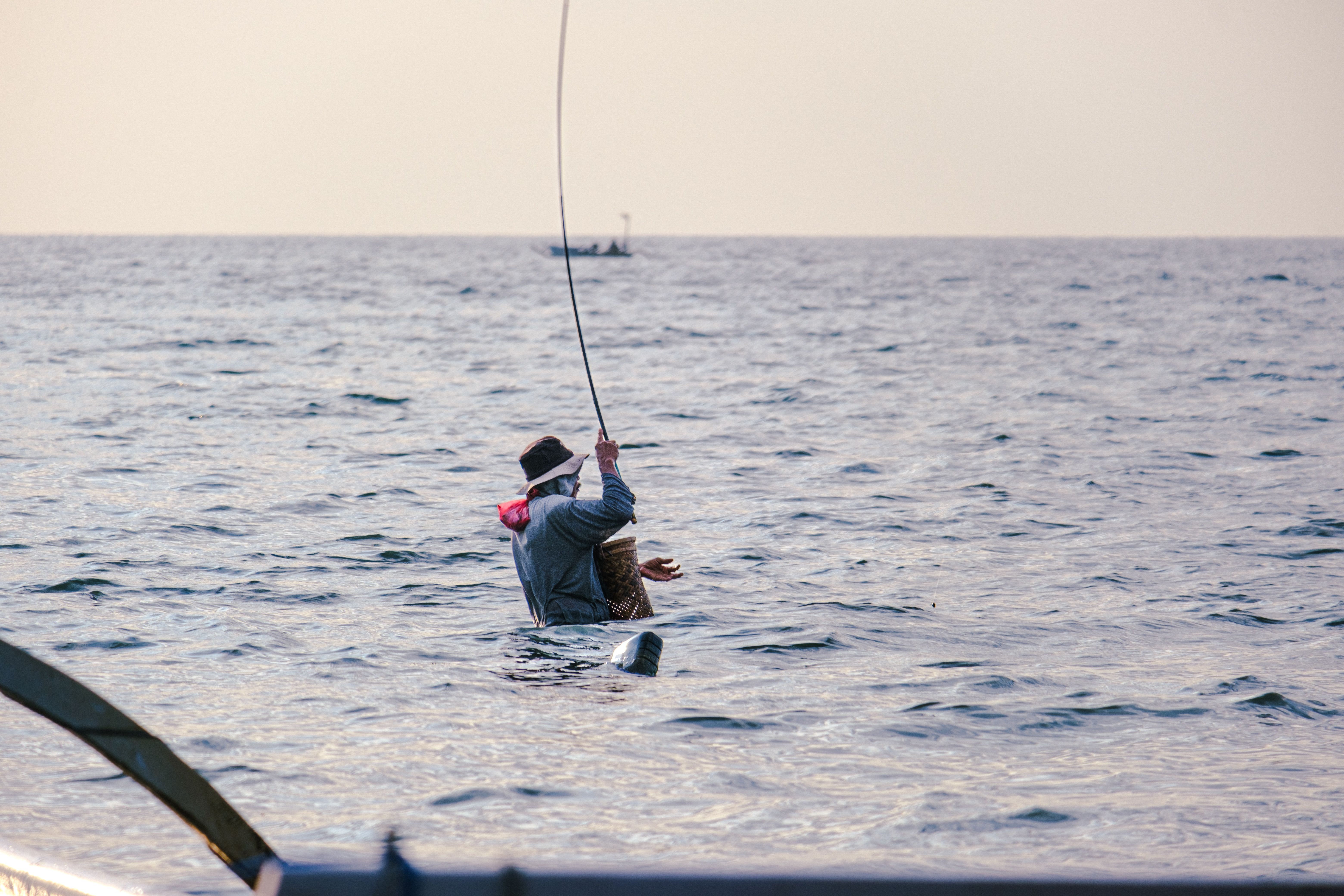
Surf and Pier Fishing Across the State
You do not need a boat to fish Florida well. Two of the most accessible approaches are surf fishing and pier fishing, and both are well represented here.
For surf fishing in north Florida, the spots that come up most often are Jacksonville Beach and Amelia Island, St. Augustine Beach, and the Flagler Beach and Ormond stretch. These are straightforward beach accesses where you can fish from shore with basic gear.
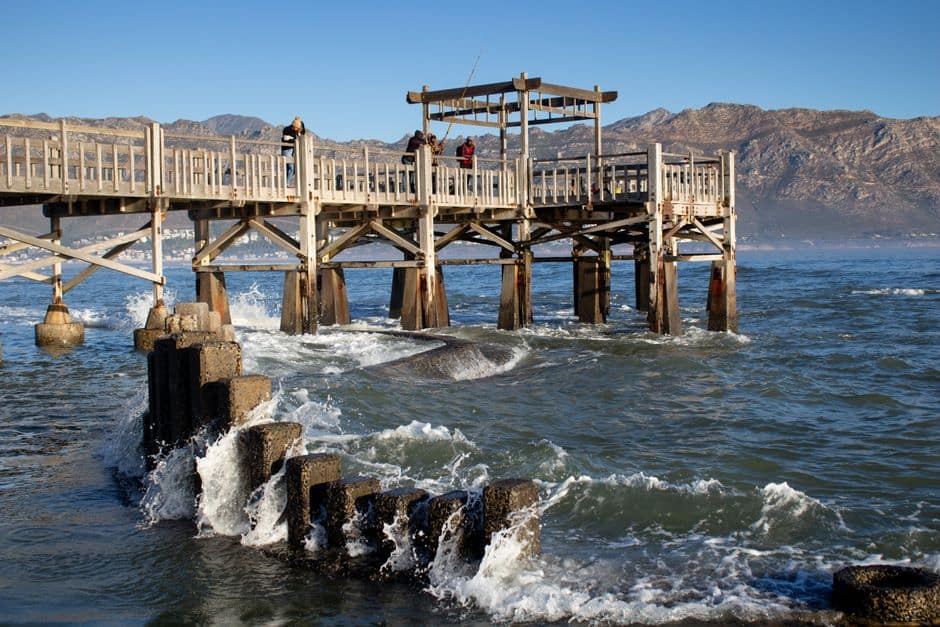
For piers, several cities maintain public facilities built specifically for fishing. Those include Lake Worth, Pensacola Beach, Destin, Panama City Beach, Cocoa Beach, and Flagler Beach. The FWC also publishes a fishing pier finder that lets you search for facilities by location, which is the fastest way to confirm what is near you before you drive out. Pair a pier day with a backup surf plan so a crowded deck does not end your trip.
What to Bring
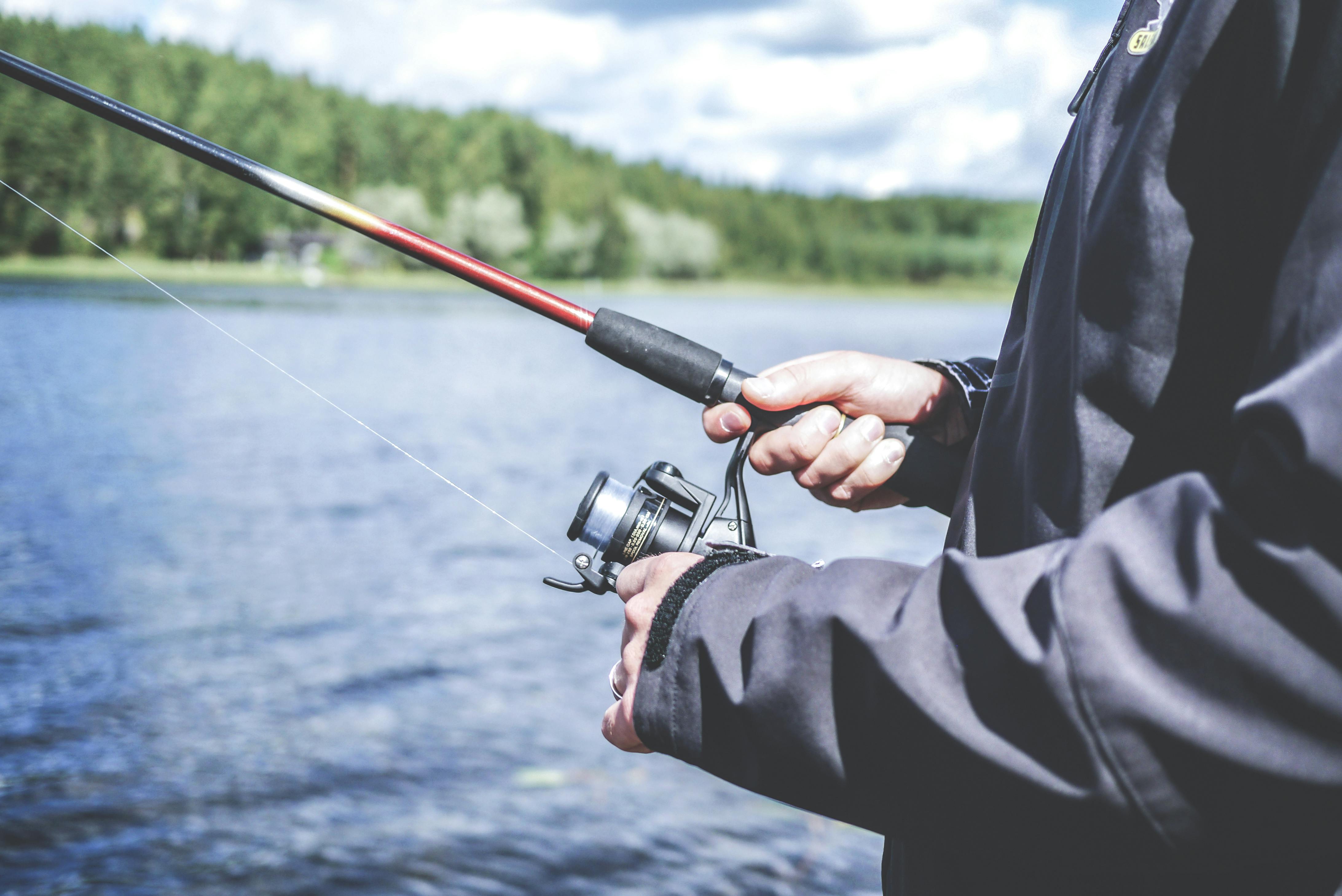
Your gear list depends on where you fish, but the broad categories do not change much. Saltwater days usually mean heavier line and a rod that can handle bigger fish and, in some cases, a long cast from a pier or beach. Freshwater days on lakes like Okeechobee or the Harris chain reward a setup that handles a variety of lures and a lot of casting.
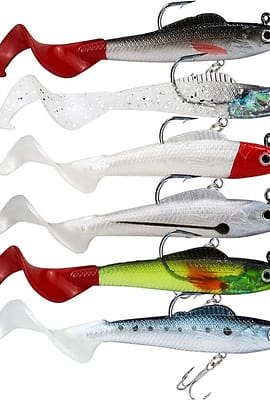
Fish Lizard lists rods and reel combos, lures including soft plastic swimbaits and jig heads, topwater baits and crankbaits, and line options across braid, monofilament, and fluorocarbon. Boat owners will also find marine parts such as outboard propellers and water pump impeller kits. Because the site aggregates listings and sends buyers to Amazon to complete the purchase, it works as a browsing tool for comparing discounted tackle before a trip rather than a store that ships orders itself.

Check the Rules Before You Go
Florida fishing regulations, seasons, and bag limits change, and this guide deliberately avoids stating any of them because the details depend on where you are, what you are targeting, and when you go. The Florida Fish and Wildlife Conservation Commission is the resource to check. Its where to saltwater fish page includes a destination map, and when you match a location to the map you can read what you might catch there and when the best time might be. Do that before booking anything.
Start with the region that matches your boat, your budget, and your tolerance for crowds. Then narrow it down. Florida is not short on water, and the best fishing spots in Florida are the ones you can actually reach, read, and fish well on the day you have free.
Frequently Asked Questions
Is Florida better for saltwater or freshwater fishing?
It does both well enough that the answer depends on your preference. Saltwater favorites include Tampa Bay, Sarasota, Honeymoon Island, Destin, and the Florida Keys. For freshwater, Lake Okeechobee is the obvious pick, along with central Florida, the St. Johns River, the Harris chain, and Lake Toho. Pick the lane that fits your gear and your boat.
What is the best freshwater lake in Florida?
Lake Okeechobee, often called Lake O, comes up more than any other freshwater body in the state and is the obvious pick for inland anglers. That said, central Florida, the St. Johns River, the Harris chain, and Lake Toho are all frequently recommended by Florida anglers, and any of them can make a strong trip.
Can I fish in Florida without a boat?
Yes. Cities including Lake Worth, Pensacola Beach, Destin, Panama City Beach, Cocoa Beach, and Flagler Beach maintain public pier facilities built for fishing. Surf fishing is another boat-free option, with Jacksonville Beach, Amelia Island, St. Augustine Beach, and the Flagler Beach and Ormond area named among the better north Florida stretches.
What makes the Florida Keys such a popular fishing destination?
The Keys offer both extremes in one place. Islamorada is a base for offshore runs to a spot known as The Hump, and anglers who prefer to stay close to shore can fish from the bridges of Lower Matecumbe Key. That range makes the area flexible for groups with different comfort levels on the water.
Where should I check Florida fishing rules?
Use the Florida Fish and Wildlife Conservation Commission as your source. Its where to saltwater fish page pairs a destination map with details on what you might catch and when the best time might be, and the agency also maintains a fishing pier finder. Confirm seasons, limits, and licenses there before your trip.