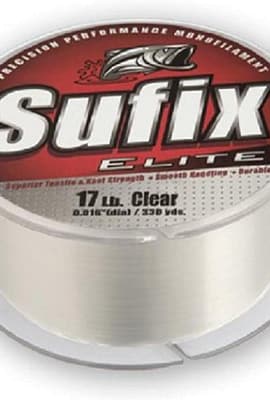
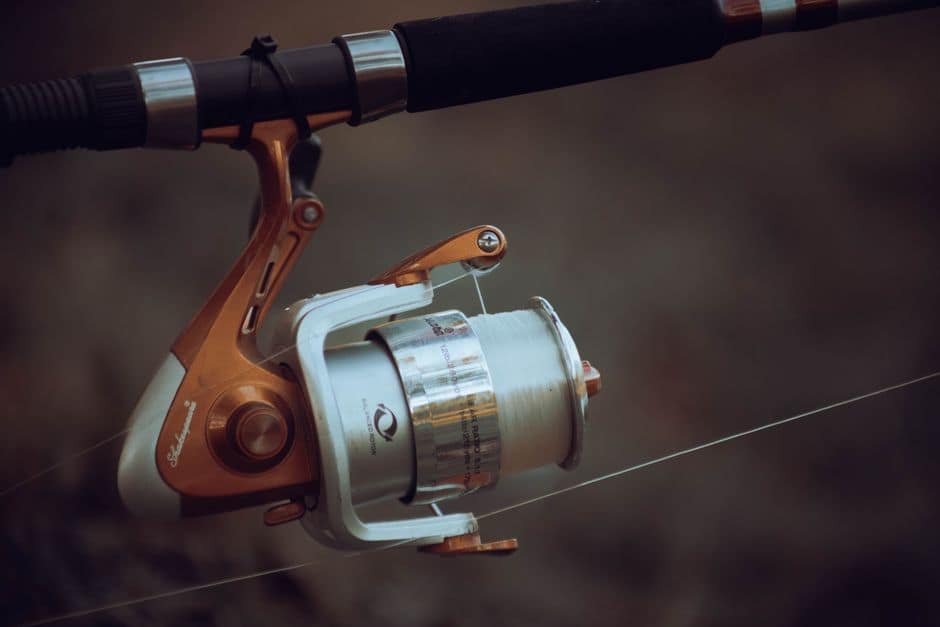
Three spools sit on the shelf at most tackle shops, and together they cover the overwhelming majority of fishing situations: monofilament, fluorocarbon, and braid. Choosing between them is less about crowning one winner and more about matching the line to the water you fish, the lures you throw, and the reel you plan to spool up.
The good news is that the number of decisions is small. There are three main types to understand, a handful of specialty lines to know about, and a short list of questions that makes the choice obvious once you answer them.
The Three Main Fishing Line Types
Ask a dozen anglers what belongs on a reel and you will get a dozen answers, but the categories behind those answers are surprisingly few. Manufacturers and outdoor retailers generally group the market into monofilament, fluorocarbon, and braid. Bass fishing resources narrow the list to the same three, calling braided, fluorocarbon, and monofilament the most common lines in that style of fishing. Gear reviewers reinforce it, running monofilament, fluorocarbon, and braided line through the same tests when they compare products from SpiderWire, Berkley, and KastKing, among other brands.
Beyond those three, you will also see fly line, lead core line, and wire line listed among common fishing line types. Those serve narrower jobs and usually pair with dedicated tackle, so they sit outside the everyday mono versus fluoro versus braid decision. For a standard spinning or baitcasting setup, the big three are what matter.
Monofilament Fishing Line
Monofilament is made from nylon and comes as one long, continuous filament. That single-strand construction is the simplest of the three main types, and it helps explain why mono ends up on so many reels. Take Me Fishing identifies monofilament and braid as the two most commonly used lines, which puts mono in the default position for a large share of anglers.
Monofilament is also the type most new anglers meet first, largely because it is everywhere. It appears in buying guides, beginner tutorials, and basic fishing line explainers from state wildlife agencies. When you walk into a retailer and look at a wall of spools, mono is the category with the most entry points.
Where Monofilament Fits
Because it is one of the two most commonly used lines, monofilament covers a broad middle ground. Anglers who fish a mix of techniques often keep mono on at least one reel as a general-purpose option, and it is the natural starting point for someone building a first tackle box. If you are unsure which line to buy, mono is the low-risk choice simply because it is the most familiar and most widely used.
One practical note: monofilament is a category, not a single product. Two spools of mono from different brands can behave differently, so read the label and the manufacturer’s specs rather than assuming all nylon line is the same.
Fluorocarbon Fishing Line
Fluorocarbon is the second of the three main types, and it turns up constantly in bass fishing conversations. Bassmaster’s lesson on understanding fishing line lists braided, fluorocarbon, and monofilament as the three most common lines in bass fishing, and line reviews typically test fluorocarbon right alongside the other two. It is not a specialty item you have to hunt for. It sits on the same shelf as mono and braid in most retailers.
What separates one fluorocarbon from another comes down to the individual product. Because spool specs, diameters, and manufacturer guidance vary between brands, it pays to read the packaging before you commit to a particular spool.
Where Fluorocarbon Fits
Beginner-focused line guides often treat mono and fluorocarbon as the pair anglers weigh against each other, while braid handles a different set of jobs. That framing is a useful way to think about fluorocarbon. If you are already fishing monofilament and wondering what the alternative looks like, fluorocarbon is the closest comparison point, and the two are usually considered side by side rather than as opposites.
Fluorocarbon also shows up in that same bass fishing lineup, which means it is worth having in the rotation if bass are your target. Start with the manufacturer’s recommendations for the technique you have in mind and adjust from there.
Braided Fishing Line
Braided line is built differently from the other two. Instead of a single strand, braid is made from several super-strong, very thin fibers braided together, using material similar to Kevlar. That construction gives braid a different feel on the reel and a different set of jobs it does well, which is why beginner guides tend to separate it from the mono and fluorocarbon conversation.
Braid is not a niche product, either. Take Me Fishing names monofilament and braid as the two most commonly used types of line, so it stands alongside mono as one of the two lines you are most likely to see on the water.
Where Braided Line Fits
Braid has a clear reputation in bass fishing. Video guides covering line basics point to braided line as a great choice for bass fishing with frogs or jigs. Those are presentations where anglers specifically reach for braid rather than mono or fluorocarbon, which makes it the easiest of the three to assign to a technique.
If frogs and jigs are part of your rotation, braid earns a spot in the tackle box. If they are not, mono or fluorocarbon will cover more of what you actually throw.
Specialty Fishing Lines: Fly Line, Lead Core, and Wire
Not every spool fits the three-way comparison. Fly line, lead core line, and wire line appear on published lists of common fishing line types, and each is designed for a specific job rather than acting as a general-purpose line. Fly line pairs with fly fishing tackle, while lead core and wire are used in more specialized setups.
Because these lines interact with specific rods, reels, and techniques, check compatibility with your equipment and follow the manufacturer’s guidance before buying. For most freshwater and saltwater anglers working with a spinning or baitcasting reel, the three main types cover the majority of needs.
A Side-by-Side Look at the Big Three
The three main types differ most obviously in how they are made and where they get used. This table summarizes what published sources say about each.
| Line Type | How It Is Made | Where It Shows Up |
|---|---|---|
| Monofilament | Made from nylon as one long, continuous filament | One of the two most commonly used lines; a common starting point for new anglers |
| Fluorocarbon | One of the three main types sold today | A standard part of the bass fishing lineup, tested alongside mono and braid |
| Braid | Several super-strong, very thin fibers braided together from material similar to Kevlar | One of the two most commonly used lines; a go-to for bass fishing with frogs and jigs |
Questions to Ask Before You Spool Up
The fastest way to pick a line is to answer a few questions in order. None of them require deep technical knowledge, and together they narrow the field quickly.
- What am I fishing for? If bass are the target, the three main types are all in play. If you are chasing something else, start with the most commonly used option and adjust.
- What technique am I using? Frogs and jigs push you toward braid. Other presentations leave mono and fluorocarbon on the table.
- What am I spooling it onto? Line has to work with your rod and reel, so check compatibility before buying a spool that does not suit your setup.
- How much do I want to spend? Line prices range widely, and reviewers note that some lines are cheap while others are expensive. The higher price does not automatically mean a better fit for your fishing.
- Do I want one line or a combination? The possible combinations of fishing line types are numerous, and plenty of anglers fish more than one. You do not have to decide everything at once.
Mixing Fishing Line Types on One Setup
Because the possible combinations of monofilament, fluorocarbon, and braid are so numerous, many anglers end up fishing more than one type in a single trip. Some carry separate rods set up for different techniques. Others switch spools depending on the day. The practical takeaway is that you are not locked in. Start with the type that matches most of your fishing, then add a second spool when a specific technique calls for something different.
If you plan to combine lines on one setup, check manufacturer guidance on how the lines should be joined, and ask a local tackle shop about the connections involved. Line-to-line joins behave differently than a straight spool of one material, so it is worth getting that detail right before you are on the water.
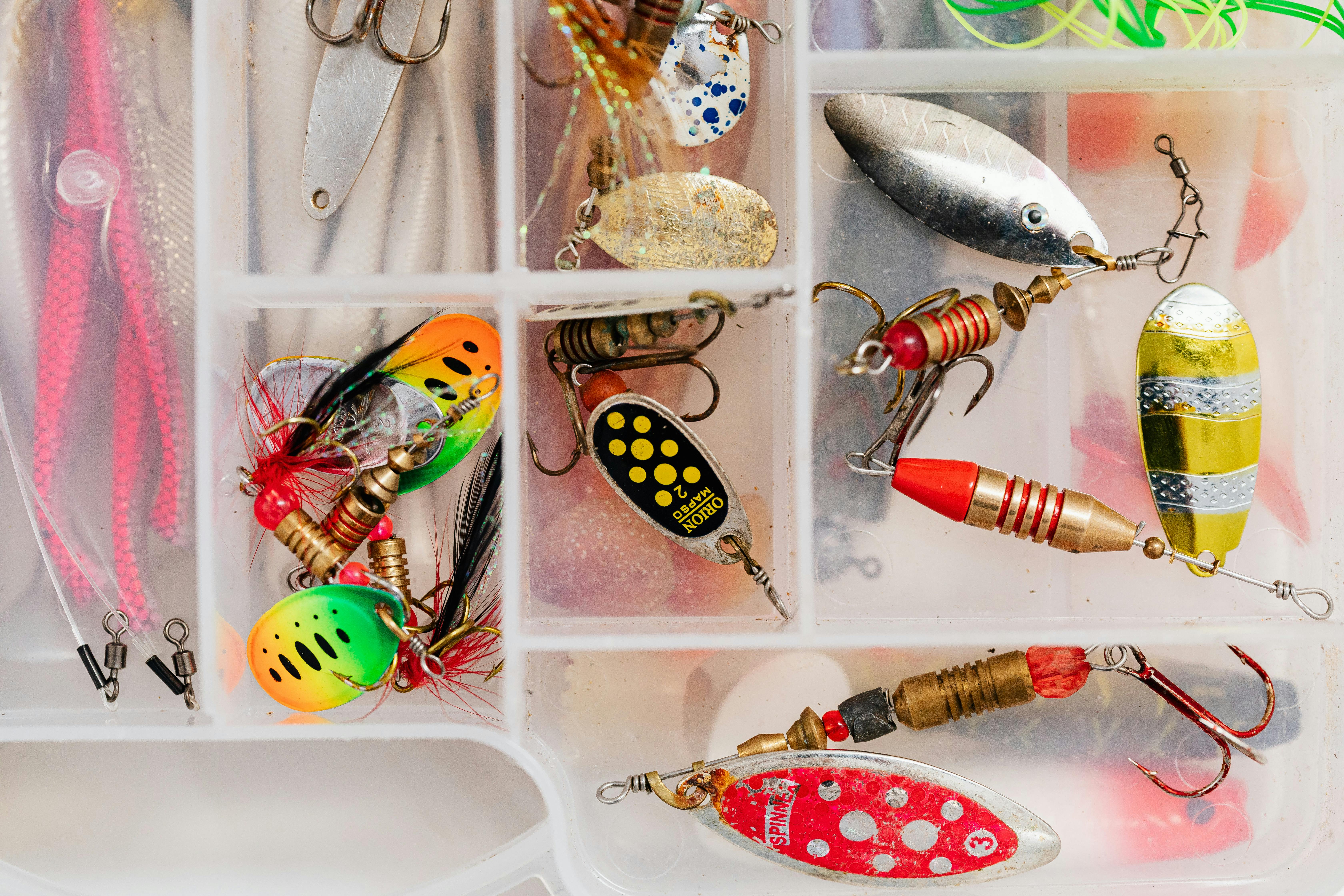
Brands and What Reviewers Are Testing
Shopping for line usually means choosing a brand as well as a type. Recent line tests have pulled products from SpiderWire, Berkley, and KastKing, among others, and a single round of testing can cover eight different lines at once. That volume is a useful reminder that monofilament, fluorocarbon, and braid are categories, not guarantees. Two braided lines from two brands can feel very different in the hand.
Reading a comparison test before you buy is a reasonable habit, especially if you are switching types for the first time. Reviews tell you what other anglers noticed, and the manufacturer’s specs tell you the rest.
Budget-Friendly Line Shopping
Line prices span a wide range, and reviewers openly note that some lines are cheap while others are expensive. That gap does not automatically translate into more fish. A well-matched budget spool that suits your technique will usually serve you better than a premium line built for a style of fishing you do not do.
Fish Lizard lists discounted fishing line along with rods, reels, and lures, and links buyers through to Amazon to complete the purchase. If you are stocking up on mono, fluorocarbon, and braid at the same time, comparing a few options before you commit is a sensible move.
Frequently Asked Questions
What are the main types of fishing line?
Monofilament, fluorocarbon, and braid are the three main types of fishing line sold today, and together they cover most fishing situations. You will also see fly line, lead core line, and wire line on published lists of common types, but those are specialty lines that pair with dedicated tackle rather than serving as general-purpose spools.
Is monofilament or braid more common?
Both rank as the two most commonly used lines. Monofilament is made from nylon as a single continuous filament, while braid is built from several very thin, super-strong fibers braided together. Which one you see more often depends on where you fish and what the local anglers target, but neither is a niche choice.
Which fishing line is best for bass fishing?
Bass fishing resources list braided, fluorocarbon, and monofilament as the three most common lines for the species, so there is no single answer. Braided line has a strong reputation for bass fishing with frogs and jigs, while mono and fluorocarbon cover other presentations. Match the line to the lure and the situation you are fishing.
Do I need all three line types to get started?
Not at all. Most anglers begin with one type that matches the fishing they do most, then add a second spool when a technique calls for it. Because the possible combinations of line types are numerous, many anglers eventually keep more than one on hand, but building a tackle box one line at a time is completely normal.
What other fishing line types exist beyond the big three?
Fly line, lead core line, and wire line are the other commonly listed types. Each is designed for a specific job and generally works with dedicated tackle, so check compatibility with your rod, reel, and the manufacturer’s recommendations before buying. For everyday freshwater and saltwater fishing, the three main types cover the majority of needs.