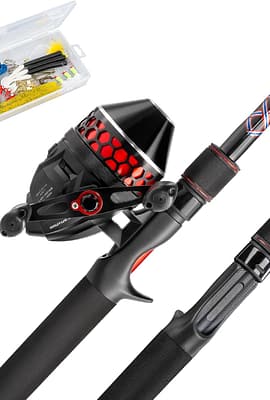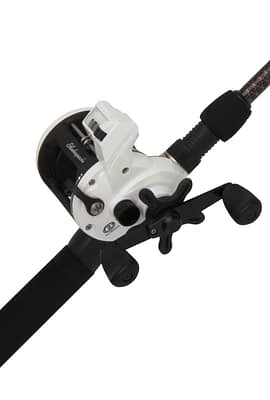
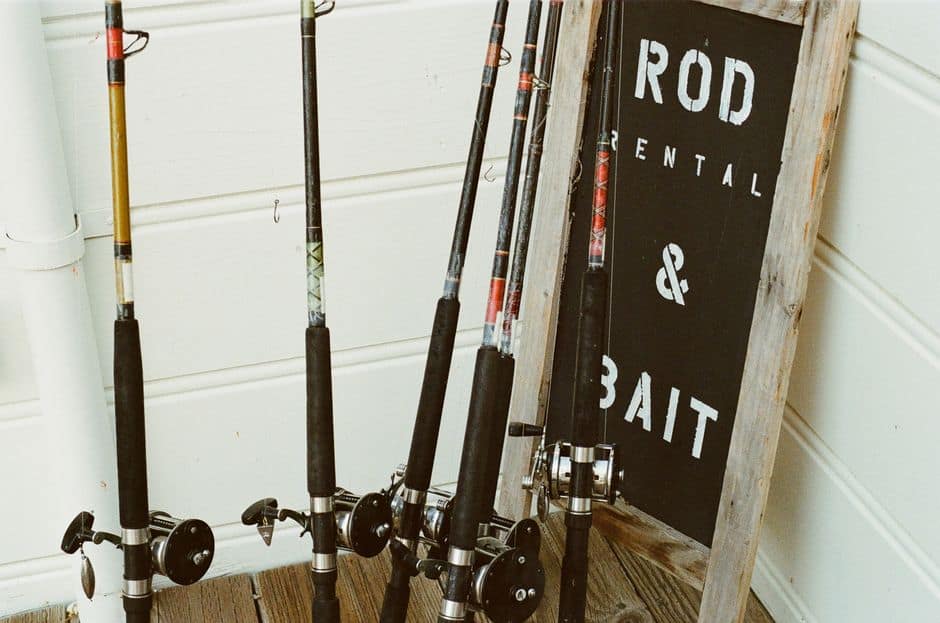
A baitcasting combo is a rod and reel sold as a matched pair, and for plenty of anglers that single purchase is the simplest way into casting gear. The reel seat is already fitted to the blank, the balance point has been decided at the factory, and the rod’s line rating lines up with what the reel was built to throw.
What a combo also does is hide decisions. Two rods on the same rack can look nearly identical and fish nothing alike once you load a lure and make a cast. Knowing which parts actually change how the combo performs, and which parts are just catalog language, is what keeps you from buying twice.
The Rod Carries Half the Combo
Combos tend to be sold on the strength of the reel, because reel features are easier to describe in a product listing. The rod is where most of the feel comes from, and it is usually where cost gets trimmed first. Baitcaster combos commonly advertise premium components such as graphite blanks, stainless steel guides, and powerful reels, and those three items are a reasonable checklist to start from.
Blank Material and Weight
Graphite is the standard blank material for casting rods. It gives you a lighter rod with better sensitivity than fiberglass, which matters when you are feeling a jig drag across rock or trying to detect a soft bite on a plastic. Lighter blanks also reduce fatigue over a long day of repeated casting.
Weight is the one number you can genuinely judge in a store. Hold the assembled combo at the grip and pay attention to where it balances. A rod that feels tip heavy with the reel mounted will wear on your wrist, and no reel specification fixes that.
Power and Action
Power describes how much backbone a rod has. Action describes where it bends. A fast action rod bends closer to the tip, which helps casting distance and solid hook sets. A moderate action bends further down the blank, which gives treble hooks some cushion on crankbaits and keeps them from tearing loose.
For a first baitcasting combo, a medium or medium heavy power with a fast action covers the widest range of techniques. Abu Garcia positions the Vendetta series as precision reels paired with responsive rods built for work such as flipping docks or casting crankbaits, which is a fair description of the all purpose casting role most buyers want.
Guides, Handles, and the Reel Seat
Stainless steel guides appear across baitcaster combos, and they hold up better than cheap inserts against braided line and salt exposure. Run a fingertip around the inside of every guide before you buy. A rough or cracked insert shreds line and costs you fish, and it is the kind of defect that never shows up in a photo.
Handle material is mostly preference. Cork feels warm and grippy, EVA foam shrugs off weather and fish slime. The reel seat deserves more attention than it usually gets. A reel that shifts in the seat under load will feel like a slipping drag even when the drag is working perfectly.
What Matters Inside the Reel
The reel is the part of the combo most likely to be described in detail, and some of that detail is meaningful while some of it is noise. Focus on the features that change how the combo casts and fights fish.
Braking Systems and Cast Control
Baitcasting reels use cast control to slow the spool at the start of a cast so the lure does not outrun the line and create a backlash. Magnetic systems are usually adjustable from the outside and are forgiving for newer casters. Centrifugal systems use internal weights that are set once and left largely alone. Reels with both give you more tuning room as your thumb gets better.
Gear Ratio
Gear ratio determines how much line the spool picks up for each turn of the handle. Lower ratios are better for deep diving crankbaits and other high resistance lures that fight you through the whole retrieve. Higher ratios help when you need to take up slack fast on jigs and soft plastics, or when you want to move a fish away from cover quickly.
Drag
Drag is the setting that decides whether a big fish breaks you off or tires out. Test it at the counter. Set the drag and pull line off the spool by hand, then feel for a stutter or a grab. A smooth, consistent pull is what you want, and a jerky one will snap line at the worst possible moment.
Bearings, Frame, and Line Capacity
Bearing counts get printed in big type, but the number alone says little about how a reel feels. Frame rigidity and line capacity matter more. A flexing frame under heavy drag will bind the gears, and a spool that takes far more line than you need just adds weight and slows the spool down.

Getting the Rod and Reel to Agree
The point of buying a combo is that someone already did the matching work. Use the table below to check whether the pairing actually suits the fishing you do.
| Component | What It Controls | What to Check |
|---|---|---|
| Rod power and action | Hook sets, casting distance, lure weight range | Suits the lures you throw most often |
| Blank material | Overall weight and sensitivity | Graphite for feel, fiberglass for forgiveness |
| Guides | Line flow and line wear | Smooth stainless steel inserts with no cracks |
| Braking system | Cast control and backlash resistance | Easy external adjustment on a first reel |
| Gear ratio | Line recovery speed | Matches the lure types in your box |
| Drag | Fighting pressure on a hooked fish | Smooth pull with no stutter |
Where Combos Sit in the Brand Lineup
Every major tackle brand sells baitcast combos, and the lineup usually runs from entry level to tournament grade. Ugly Stik lists the GX2 Baitcast Combo, Elite Baitcast Combo, Camo Conventional Combo, and Carbon Baitcast Combo. KastKing builds casting combos around toughness and durability without sacrificing performance and feel. Bass Pro Shops stocks freshwater and saltwater baitcaster combos from brands including Daiwa and Shimano, and Walmart carries baitcast combos from Abu Garcia, KastKing, Lew’s, and Ozark Trail.
Editorial testing is a useful cross check when a specific model catches your eye. Game & Fish reported that the Shimano SLX XT A drew praise from its test team for smooth, quiet performance that rivals many higher priced competitors. Reviews like that are worth reading, but treat them as one data point rather than a verdict on the whole line.
Shopping a Budget Baitcasting Combo
Low cost casting gear has improved a lot, and a modest combo can fish well if you accept its limits. Expect the rod to be heavier than a premium blank and the reel to have fewer tuning options. Neither stops you from catching fish.
Buyers guides are a reasonable starting point when you are comparing options across brands. One buyer’s guide notes that it takes the guesswork out of choosing a rod and reel combo, covering everything from ultralight spinning combos to saltwater options to baitcasters. If you are not sure a casting reel is right for you yet, that wider view is useful before you commit.

Freshwater and Saltwater Builds Are Not the Same
Saltwater baitcaster combos exist, and they are built for the environment. Salt exposure attacks bearings, reel seats, and guide frames, so saltwater rated combos generally use more corrosion resistant hardware. Rinsing any combo with fresh water after a salt trip is basic maintenance, but a combo with unprotected bearings will suffer regardless.
If you fish both, a freshwater combo used in salt occasionally will last longer with careful rinsing, and a saltwater rated combo will handle freshwater without complaint. Match the build to where you actually spend your time.
Mistakes That Make a Good Combo Fish Badly
- Overfilling the spool with line, which causes the line to rub the frame and kills casting distance.
- Leaving the brakes wide open on a new reel, then blaming the reel for backlashes.
- Loading line heavier than the rod’s rating, which overloads the blank on the cast.
- Setting the drag too tight out of the box and fishing it that way all season.
- Skipping maintenance on the spool bearings, which is the fastest way to lose casting smoothness.
How to Check a Combo Before You Buy
- Assemble the combo and hold it at the grip. Check balance and overall weight.
- Flex the rod gently and watch for flat spots or a bend that starts above the handle.
- Inspect every guide insert for cracks, roughness, or misalignment.
- Seat the reel and try to rock it. Any play means the seat and foot do not match well.
- Turn the handle and listen. Grinding or roughness is a red flag on a new reel.
- Test the drag and the brake adjustment to confirm both move freely.
If you buy online instead of in person, read the return policy before you order. Returning a rod through the mail is a hassle, so it is worth confirming the terms first. This site links to Amazon listings and completes no orders directly, so returns and warranty claims go through the seller you buy from.
Frequently Asked Questions
What is a baitcasting combo good for?
A baitcasting combo suits techniques that reward accuracy and control, including pitching to cover, flipping docks, and casting crankbaits and jigs. Medium and medium heavy rods with fast actions handle the broadest range of these lures. If you mostly throw lightweight lures or fish from tight quarters, a spinning combo may be easier to learn on.
Are baitcasting combos harder to use than spinning combos?
They take more practice. A baitcasting reel requires your thumb to control the spool during the cast, and backlashes happen while you build that skill. Braking systems reduce the problem, and magnetic brakes are the most forgiving for new casters. Give yourself a few sessions in open water before you fish tight cover.
Can I use a freshwater baitcasting combo in saltwater?
You can, but the hardware will age faster. Salt attacks bearings, reel seats, and guide frames. Saltwater rated baitcaster combos use more corrosion resistant components and are the better choice if salt trips are regular. Rinse any combo thoroughly with fresh water after a salt outing, and avoid dunking the reel.
Should I buy a combo or match a rod and reel separately?
A combo removes the matching work and usually costs less than buying the same rod and reel apart. Buying separately gives you more control over power, action, gear ratio, and drag for a specific technique. For most anglers starting out, a combo covers the basics well and leaves money for lures and line.