Tampa Bay hands a budget angler two fisheries for the price of one drive. The bay is the largest open-water estuary in Florida, with more than 400 miles of estuary water and over 200 species of fish living in it, and the Gulf of Mexico starts just beyond the barrier islands. That geography is the whole reason to build one setup that works on both sides instead of splitting a small budget across two half-finished tackle kits.
The approach here is simple: pick gear that is good enough for flats, passes, oyster bars and Gulf water, then spend the money you save on the things that actually catch fish, which are line, leaders, hooks and a handful of lures you trust.
Why One Setup Makes Sense in Tampa Bay
Most inshore destinations force a choice. Tampa Bay does not. You can work shallow flats and oyster bars in the morning and be looking at open Gulf water later the same day, and the species list overlaps enough that one rod can cover nearly all of it. Local spot roundups keep pointing to the same places for the same reason: Fort De Soto Park and Egmont Key State Park both sit where bay water meets Gulf water, so a single trip can hold inshore targets and open-water opportunity.
That matters for a budget. A specialized sight-fishing rod for skinny water and a separate heavy Gulf rod is a nice problem to have later. Early on, a versatile medium setup fished well beats two cheap setups fished badly.
Species You Are Likely to Cross Paths With
Tampa Bay holds more than 200 species of fish, but a short list covers most of what anglers target. Snook, spotted seatrout, redfish and sheepshead are the classic flats, pass and oyster bar group. Redfish, snook, mangrove snapper and tarpon appear on charter and guide lists for the region as well. Here is how that maps to a budget tackle plan.
| Species | Where to Expect Them | Budget Tackle Approach |
|---|---|---|
| Snook | Flats and passes, often near structure | Medium spinning rod, soft plastics or live bait, leader heavy enough to handle abrasion |
| Redfish | Flats and oyster bars | Jig heads with soft plastics, weedless rigs around shell |
| Spotted seatrout | Flats and grass edges | Light jig heads and soft plastics, or a popping cork setup |
| Sheepshead | Oyster bars and hard structure | Small hooks, split shot and a sensitive rod tip |
| Mangrove snapper | Structure and cover | Light leader, small hooks, small pieces of bait |
| Tarpon | Bay and Gulf waters in the region | A step up in rod power and leader class, or a booked guide |
The Rod and Reel That Do the Most Work
A medium power spinning rod in the seven-foot range paired with a 2500 to 3000 size reel is the standard inshore compromise, and it fits Tampa Bay well. It casts small jigs and soft plastics far enough to work a flat, has enough backbone to steer a redfish away from an oyster bar, and can handle a slot snook in a pass. It is not a tarpon rod, and it is not a deep Gulf bottom rod, but those are two very specific jobs.
Buying a combo usually beats buying a rod and a reel separately on a tight budget. Brands like KastKing, PENN and Berkley show up regularly in budget combo lineups, and the savings tend to hold up as long as you look after the reel. A combo in the affordable range will out-fish an expensive rod with a worn-out reel every time.
Line and Leader Choices That Cover Both Waters
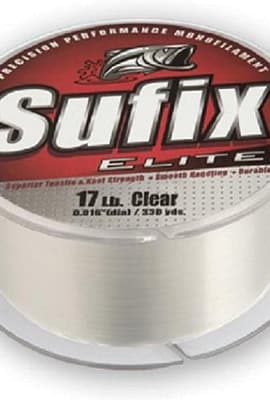
Braided main line in the 15 to 20 pound class gives you casting distance and sensitivity on the flats, and it holds up better than monofilament around shell and structure. From there, a fluorocarbon leader covers the Gulf side of the equation, where a little more abrasion resistance helps around passes, pilings and mixed bottom.
Keep the leader material on a spool in your bag and re-tie often. Leader is the cheapest upgrade in saltwater fishing and the first thing to fail when it has been sitting in the sun. Rinse both rod and reel with fresh water after every trip, and the salt will not get a head start on the drag washers.
Terminal Tackle That Earns Its Space
You do not need a wall of plastic boxes. Tampa Bay fishing rewards a small, replaceable set of terminal tackle that covers soft plastics, bait and the occasional topwater mood.
- Jig heads in a couple of weights so you can fish shallow flats and deeper pass edges with the same soft plastic.
- Soft plastic swimbaits and paddletails, which are the most flexible inshore bait you can carry.
- Circle hooks in a few sizes for live and cut bait, fished on the bottom or under a float.
- Split shot and small weights for adjusting depth without changing rigs.
- A popping cork or two for covering water over grass edges.
- Hook cutters, because treble hooks and fishing line eventually find skin.
Buying terminal tackle in packs rather than singles lowers the cost per piece and keeps you fishing after a snag costs you a rig. On shell bottom, you will lose tackle. That is part of the sport, not a sign you bought wrong.
Lures for Bay Flats and Gulf Water
Three lure categories cover most situations. Soft plastics on jig heads handle flats, oyster bar edges and pass current. Metal spoons cast far into wind and cover open water fast when you are searching rather than picking apart structure. Topwater plugs are worth one slot in the box for calm mornings when fish are willing to come up for a look.
Color selection is where budget anglers overspend. A small range of natural and bright patterns covers clear and stained water, and the fish usually care more about presentation speed and depth than about having twelve shades of the same bait. Restock the lures that produce for you and stop adding experiments you never tie on.
Support Gear That Saves Money Later
Support gear is not glamorous, but skipping it costs more than buying it. Polarized sunglasses cut glare so you can see fish and structure, and they protect your eyes from a lure that comes back faster than expected. A small dry bag keeps phone, keys and your line spool dry on a skiff or a kayak. Pliers with a cutting edge handle hook removal and quick re-ties.
If you fish from shore or wade, a pair of shoes you can trust on oyster shell is worth the money, and a lightweight cooler or bait bucket rounds out the kit. None of this needs to be premium. It needs to work and it needs to survive salt water, which means a freshwater rinse at the end of every trip.
Budget Habits That Stretch Your Gear
The cheapest gear in fishing is gear you already own and maintain. A few habits go a long way in Tampa Bay’s salt environment.
- Rinse rod, reel and tools with fresh water after every trip, not once a month.
- Strip and replace line when it gets rough or starts coiling, rather than buying a new reel.
- Retie leaders often and inspect the last few feet of braid for fraying.
- Wash and dry soft plastics so they stay supple, and keep them out of direct sun.
- Store tackle in a closed box so hooks do not rust into a solid block.
Where to Start Without a Boat
Plenty of Tampa Bay fishing happens without a hull. Fort De Soto Park and Egmont Key State Park show up on nearly every local hotspot list, and the flats, passes and oyster bars around the bay are reachable by wading, kayaking or fishing from shore. Guides and charters cover the same water if you would rather learn the patterns first, and they are a fair way to shorten the learning curve before spending on gear.
Wherever you launch, confirm current license requirements, seasons and bag limits with the state wildlife agency before you fish. Those rules change, and the agency’s own site is the only source worth trusting. The same goes for charter pricing and availability: check with the operator directly rather than relying on an outdated listing.
Frequently Asked Questions
Do I need a boat to fish Tampa Bay?
No. Shoreline access at Fort De Soto Park and around Egmont Key State Park, plus wading and kayak access to flats, passes and oyster bars, covers a lot of water. A boat expands your range, but it is not a requirement for a first season of Tampa Bay fishing.
Can one rod really handle both the bay and the Gulf?
A medium power spinning rod in the seven-foot range with a 2500 to 3000 size reel handles most inshore work on both sides. It covers snook, redfish, seatrout, sheepshead and mangrove snapper. Tarpon and deep Gulf bottom fishing call for heavier tackle, so treat those as separate purchases later.
What fish can I target in Tampa Bay?
The bay holds more than 200 species of fish. The most common targets are snook, spotted seatrout, redfish and sheepshead around flats, passes and oyster bars, with mangrove snapper and tarpon also on regional guide lists. Start with the inshore group and expand from there.
How much should I spend on a first setup?
Set a combo budget you can stick to, then reserve part of it for line, leader and terminal tackle, since those are what actually connect you to fish. Affordable combos from brands like KastKing, PENN and Berkley are a practical starting point. Check current listings for pricing, because deals change.
What is the most common budget mistake in saltwater fishing?
Buying more lures and fewer consumables. Line, leader, hooks and jig heads get lost, worn and broken, and replacing them keeps you fishing. A modest box of proven baits plus a fresh supply of leader will outperform a large collection of lures fished on tired line.
Build the one setup first, keep it clean, and let the bay and the Gulf share the load. The fishing around Tampa Bay is broad enough that a simple, well-maintained kit will keep finding new water for years, and the money you do not spend on duplicates is money you can put into the trips themselves.