Tampa Bay gives an angler three very different ways to spend a morning. You can stand on a park shoreline and cast into a channel, run a boat across open bay water, or book a charter and let someone else worry about the fuel and the tide chart. The fish are the same family of species across all three, but the approach, the gear, and the cost in time all change. This guide keeps to the basics: what swims here, where people actually go, and how to prepare before you leave the dock or the parking lot.
What Anglers Catch in Tampa Bay Waters
The bay holds a mix of inshore favorites and reef-oriented species. Redfish, snook, tarpon, and spotted seatrout are the names that come up most often in local coverage of bay fishing, and they are the fish most shore and bay anglers are targeting. Grouper, snapper, and trout also show up in the same conversations, which means a single trip can produce very different results depending on where you stop and how deep you fish.
That variety is part of what makes the bay appealing. Hillsborough Bay, one arm of the larger system, has been fished as a multi-species assessment trip, meaning anglers worked it specifically to see how many different species live in that water. You do not need a complicated plan to benefit from that. A simple approach is to pick one target species, learn what it eats, and stop changing tactics every ten minutes.
Shore Fishing: Parks, Points, and Public Access
Shore fishing is the lowest-barrier entry into the bay. Local lists of fishing access around South Tampa and the wider Tampa area consistently name Ballast Point Park and Cypress Point Park, both of which are public park settings rather than private marinas. Parks like these give you a place to park, a place to stand, and enough water in front of you to fish a tide without needing a boat or a booking.
What shore anglers give up is range. You are fishing whatever water is within casting distance, so the quality of the spot depends heavily on how the shoreline is shaped and how the current moves past it. Move along the bank before you commit. If one stretch has no visible bait, no current break, and no structure, a different stretch of the same park often does.
Fishing the Bay From a Boat
A boat turns the bay into a much larger puzzle. You can chase a tide, move off a flat when the sun gets high, and run to different bottom types in a single morning. The trade-off is responsibility. Weather on open bay water can build faster than it does on a protected shoreline, so check the marine forecast before you launch and again before you head back.
Boat-based anglers also have to think about the boring parts that make the fun parts possible. Fuel, battery charge, kill switch, and a working radio matter more than the color of your lure. If you are new to running a boat in the bay, spend a trip or two learning channels and no-wake zones before you spend a trip trying to catch anything.
Charter Basics: What You Are Actually Paying For
Tampa area listings for fishing include several distinct kinds of operations. Miss Pass-A-Grille Fishing and Queen Fleet Deep Sea Fishing show up alongside Tampa Fishing Charters and Salt Work Fishing Co in local roundups of places to fish near Tampa and South Tampa. Those names cover a range of formats, from inshore trips to deeper-water party boats, so the word charter alone does not tell you what the day looks like.
| Approach | What It Means | Best Fit For |
|---|---|---|
| Shore | Public parks and shoreline access, casting from land | Beginners, quick sessions, low-cost days |
| Private boat | You run the boat and choose the water | Anglers who already own or rent a vessel |
| Charter | Captain handles navigation and usually the fishing plan | Visitors, groups, and anyone learning new water |
Before you book, ask direct questions. How long is the trip, how many anglers, is gear included, is bait included, and what species are realistic for the season you are visiting. Confirm the answers with the operator directly rather than relying on a listing summary, since trip details change and third-party pages do not always keep up.
Gear That Works Across All Three Approaches
You do not need a separate outfit for every scenario. A medium spinning combo covers a lot of bay fishing, and a slightly heavier setup handles bigger fish and deeper structure. Line choice matters more than most beginners expect. Braid gives you sensitivity and casting distance, monofilament is forgiving and inexpensive, and fluorocarbon leaders help in clear water.
- Rod and reel combos sized for inshore work, with a heavier option for deeper trips
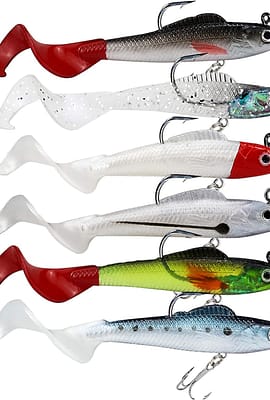
- Soft plastic swimbaits and jig heads for working the water column
- Topwater plugs for low light and active fish near the surface
- Crankbaits for covering water and finding aggressive fish
- Braid, monofilament, and fluorocarbon leader material
- Clippers, pliers, a landing net, and a hook removal tool
- Sun protection and water, because shade is scarce on open bay water
A charter will usually supply the tackle you need, so ask before you haul your own rods aboard. On a shore trip, a single rod, a small box of lures, and a spare leader spool will get you through most of a morning without weighing you down.
Reports, Photos, and Free Clinics for Kids
One practical resource for anyone fishing the bay is the local fishing report page where Tampa Bay anglers post their reports and pictures. Reading recent reports is a fast way to learn which species are moving and what people are catching on. The same source notes free fishing clinics for kids 15 and under, which is a low-pressure way to get a young angler started before committing to a boat trip.
Post your own results too. A short note about where you fished, what the water looked like, and what bit is more useful to the next angler than a photo with no context.
Licenses, Limits, and Handling Fish Properly
Fishing regulations change, and the rules that apply to you depend on whether you are fishing from shore, from a private boat, or on a chartered trip where the vessel may hold the coverage. Check current license requirements, size limits, and bag limits with the state agency that issues fishing licenses before your trip, and confirm with your charter operator how licensing is handled on board.
Handle fish you plan to release with wet hands, support the body, and keep the fish out of the air only as long as it takes to unhook it. If a fish is deeply hooked, cut the line close rather than digging for the hook.
Putting a Tampa Bay Trip Together
Start with the access you actually have. If you are on foot, pick a public park shoreline and fish a moving tide. If you have a boat, plan around the weather and pick one or two areas instead of racing across the whole bay. If you are booking a charter, ask your questions early and confirm the details directly with the operator. Every one of those paths puts you in front of redfish, snook, seatrout, or something unexpected, and the bay rewards the angler who keeps the plan simple and stays a little longer than they meant to.
Frequently Asked Questions
What fish can I catch in Tampa Bay?
Redfish, snook, tarpon, and spotted seatrout are the most commonly cited inshore species in the bay, and local coverage also lists grouper, snapper, and trout. Because the bay holds so many species, what you catch depends heavily on where you fish, how deep the water is, and what you are throwing.
Do I need a boat to fish Tampa Bay?
No. Public park shorelines such as Ballast Point Park and Cypress Point Park appear on local lists of fishing access around Tampa, and they let you fish from land without a vessel. Shore fishing limits your range, so plan to move along the bank until you find current, structure, or bait.
Do I need a fishing license in Florida?
Requirements vary by how and where you fish, and rules change over time. Check the current license rules, size limits, and bag limits with the state agency that issues fishing licenses before your trip, and ask your charter operator how licensing is handled for anglers fishing aboard their vessel.
Are there free fishing clinics for kids?
Yes. The Tampa Bay fishing report page notes free fishing clinics for kids 15 and under. These are a practical starting point for a young angler because the basics get covered in a supervised setting before you invest in gear or book a paid trip.
How do I choose a fishing charter near Tampa?
Ask what kind of trip it is, since local listings include both inshore guides and deeper-water operations such as Queen Fleet Deep Sea Fishing. Confirm trip length, how many anglers are aboard, whether tackle and bait are included, and which species are realistic for your dates directly with the operator.