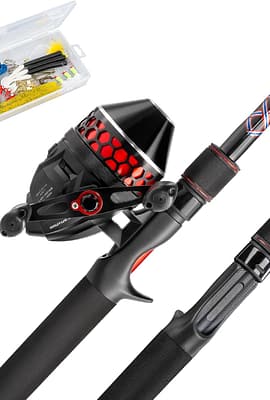

Surf fishing puts tackle in a place most gear never sees: wet sand, salt spray, wind off the water, and a long stretch of open ocean between you and the fish. That is why the rod and reel that work fine from a boat or a pier often are not the outfit you want on the beach. Retail listings describe surf gear as specialized equipment built to withstand harsh conditions, and there is real substance behind that language.
A surf outfit works as a system. The rod decides how far you can cast and how much weight it can throw. The reel decides how smoothly line leaves the spool and how hard you can lean on a fish once it turns and runs. When those two pieces match, the setup feels light in your hands through a long tide. When they do not match, you spend the session fighting your own tackle.
What Makes a Surf Rod Different
A surf rod is designed around distance and power. Product pages and retailer descriptions put typical surf rod lengths at 9 to 12+ feet, which gives you the leverage to throw baits and lures past the shorebreak, and they note that these rods carry enough backbone to handle larger species. That combination of length and strength is the defining trait of the category.
- Extra length for casting distance beyond the wash and the first sandbar
- Enough power to turn bigger fish in current and surf
- Components and finishes chosen for salt, sand, and repeated soakings
- Grip and reel seat placement set up for two-handed casting
Compare that with a general-purpose inshore rod, which is usually shorter and tuned for accuracy rather than distance. Both can catch fish from the sand, but only one is built for the job of reaching out past the breakers cast after cast.
Rod Length and Casting Distance
Length is the first number most anglers look at, and the sources show a wide working range. If you are narrowing down options, think about your beach rather than about a single magic number.
The 9 to 10 foot range
This is the range that shows up most often in community recommendations for an all-around surf setup. A 9 to 10 foot rod is long enough to reach productive water on most beaches while staying manageable to cast and carry for hours. It also packs and travels more easily than a full-length surf stick.
The 11 to 12 foot range and beyond
Longer rods push your cast further and handle heavier weights, which helps when you need to clear a wide bar or fish a strong side current. Amazon listings show 12 foot surf rod and reel combos built as heavy three-piece travel spinning outfits, offered in 9, 10, 11, and 12 foot lengths and marketed for red drum, striped bass, and general beach and saltwater fishing. The trade-off is weight and wind resistance, since a longer blank catches more breeze and tires your arms faster.
Shorter rods and travel options
Shorter combos do exist in the surf conversation. One budget roundup published in May 2024 named a 7 foot rod and reel combo as the cheapest option it covered. Retailers also sort surf offerings by style, and travel rods appear as their own category alongside surf and inshore models. If portability matters more than maximum distance, those listings are worth a look.
Rod Power, Line Rating, and Lure Weight
Length alone does not tell you what a rod can do. The printed ratings on the blank are the real guide, and they tell you what range of line and weight the rod was built to handle.
| Spec | Common all-around surf spinning setup |
|---|---|
| Length | 9 to 10 feet |
| Action | Medium heavy |
| Line rating | 15 to 25 pound class |
| Lure and weight rating | 1 to 5 ounces |
Those figures come from an angler forum discussion of an all-around surf setup, and the same thread suggested loading that rod with heavier line in the 40 to 60 range to take advantage of braid. Treat the numbers as a starting point. A rod rated for 1 to 5 ounces will not cast a 6 ounce sinker plus bait well, and a rod rated for 15 to 25 pound line is not the tool for heavy structure fishing. Stay inside the ratings printed on the blank.
Spinning or Conventional Reel
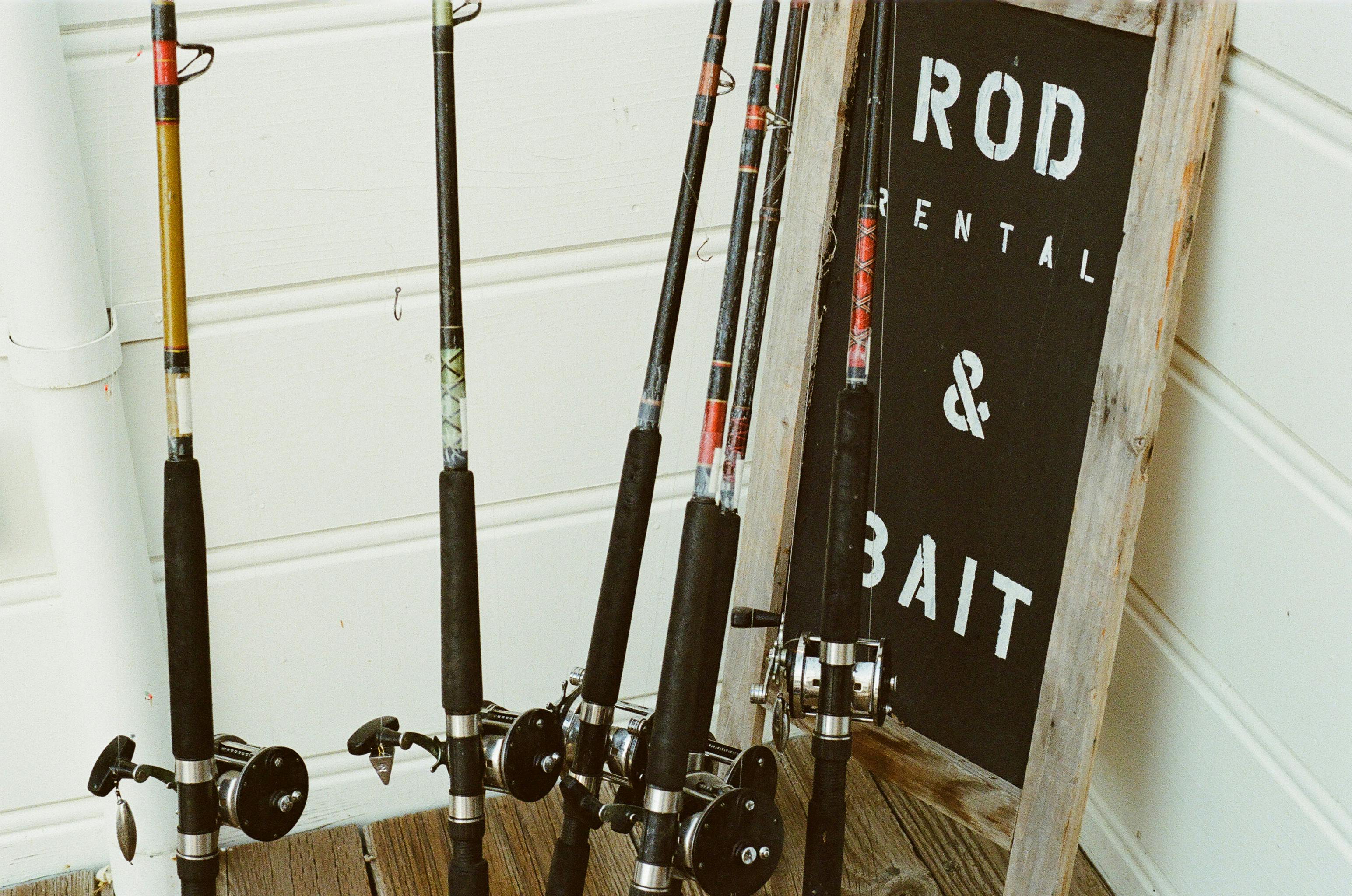
Surf anglers overwhelmingly fish spinning reels. In one retailer’s surf category, spinning models outnumbered conventional models 19 to 1, and the conventional listing was a single item. Spinning gear is easier to cast into wind, simpler to manage in the dark, and more forgiving for anglers who only fish the beach a few times a year.
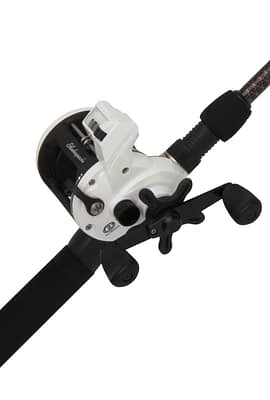
Conventional reels still have a place for anglers who want thumb-controlled casting and heavier line capacity, and that retailer does stock at least one conventional surf option. For most buyers choosing a first or second surf outfit, the spinning side of the aisle is where the selection lives.
Whichever type you pick, remember that the reel is the part of the system standing in the salt spray and taking the abuse. The Penn surf collection leans on the phrase durable equipment built to withstand harsh conditions, and that is the standard to hold any reel to. A quick freshwater rinse after a beach session is cheap insurance.
Combo or Separate Rod and Reel
Combos are convenient. The manufacturer has already matched the rod and reel, the pieces ship together, and the bundle usually costs less than buying each half separately. Penn lists matched combos in its surf lineup, and boutique builders sell complete surf outfits as well. The Toadfish Carbon Surf Fishing Combo is described as an elite surf setup built for lightweight power and precision, and it carries a sale price of $268.00 against a regular price of $298.00.
Not everyone agrees combos are the better buy. One budget-focused article makes the case against them outright, arguing that a buyer is better served choosing a rod and a reel individually rather than accepting whatever pairing a manufacturer packages together. There is sense in that if you already know what rod length and power you want and you have a specific reel in mind. For a first surf outfit, a combo removes most of the guesswork and gets you fishing.

What Different Budgets Buy
Prices move around constantly, so treat the numbers below as a snapshot of what the sources showed rather than a fixed market rate. One retailer’s surf category sorted its rods and reels into these brackets, giving a rough picture of how the market layers out.
| Price bracket | Models in that retailer’s surf category |
|---|---|
| $0 to $99.99 | 1 |
| $100 to $199.99 | 6 |
| $200 to $299.99 | 3 |
| $300 to $399.99 | 3 |
| $400 to $499.99 | 1 |
| $500 to $599.99 | 4 |
| $600 to $999.99 | 1 |
| $1,000 or more | 1 |
The heaviest cluster sits in the $100 to $199.99 band, which is where most casual and intermediate beach anglers shop. Amazon listings show a lower entry point as well, with 12 foot surf rod and reel combos priced somewhere in the $40 to $150 range. At the other end, specialty and premium builders reach well into four figures.
Fish Lizard aggregates listings like these from Amazon so you can compare rods, reels, and combos in one place and then complete the purchase on Amazon. Because prices and stock shift, check the live listing before you commit.
Brands and Series You Will Run Into
A retailer’s surf lineup reads like a who’s who of the saltwater market. Names that appear across surf rod and reel listings include Daiwa, Lamiglas, ODM, Penn, Shimano, St. Croix, Tsunami, and Van Staal.
Series names matter more than brand names once you start comparing models. Surf category listings include the Airwave, Avid, Battalion, Carbon Surf, Five Star, Frontier X, GSB, Genesis, Legend, Saltist, Seage, Slammer IV DX, Speedmaster, Tiralejo, Triumph, Ultegra, VR Series, and X2 lines. Penn’s own site highlights trending searches for the Battle IV, Slammer, Fathom, and travel reels, along with a Fierce V Combo. Lineups change as makers refresh models, so confirm current availability and specs on the product page.
Pairing the Rod and Reel Together
Pairing is its own skill, and it gets a full walkthrough in a beach fishing video where Roger Osborne goes through his own surf outfits and explains why he uses each one. The logic he applies is worth copying: decide what the outfit is for, then build around that.
- Keep the reel’s line capacity in step with the rod’s printed line rating
- Stay inside the rod’s weight range so the blank loads properly on the cast
- Aim for balance, so the outfit is not tip heavy in your hands
- Match the whole setup to your target species and the water you actually fish
A mismatched outfit shows up immediately. Too light a reel on a heavy rod leaves you undergunned when a big fish runs. Too heavy a reel on a light rod makes casting a chore. The middle ground, a medium heavy rod in the 9 to 12 foot range with a reel rated for the same line class, is where most beach anglers end up happy.
A Simple Checklist Before You Buy
- Measure your beach, not your ambitions. A wide bar and heavy current call for more rod than a sheltered cove.
- Pick a length in the 9 to 12 foot range unless portability is the priority.
- Check the printed line rating and weight rating, then plan to stay inside them.
- Decide between spinning and conventional, knowing spinning dominates the surf market.
- Choose a combo for simplicity or separate pieces for a custom match.
- Set a budget and look at what that bracket actually offers.
- Confirm the current price and specs on the live product page, since listings change.
Frequently Asked Questions
What size reel should I use for a surf rod?
The sources reviewed here do not hand down one universal reel size, so pick by matching rather than by number. Find the line rating printed on the rod, then choose a reel with enough capacity to hold that line class with some backing left over. Balance matters too, since a reel that is too heavy makes a long rod feel clumsy on the cast.
Is a 7 foot rod too small for surf fishing?
Sources describe typical surf rods as 9 to 12+ feet, so a 7 foot rod sits below that range. One budget roundup still named a 7 foot combo as its cheapest pick, and shorter travel options do exist. Whether it works for you depends on your beach, your targets, and how much distance you need to reach fish.
What is the best size surf rod for surf fishing?
An angler forum discussion settled on a 9 to 10 foot medium heavy surf spinning rod as a solid all-around choice, rated for roughly 15 to 25 pound line and 1 to 5 ounces of weight. Longer rods in the 11 to 12 foot range cast further but weigh more and catch more wind. Match the length to your beach.
Should I buy a combo or a separate rod and reel?
Both approaches work. A budget-focused article argues against combos and recommends selecting a rod and reel individually so you control the pairing. Combos offer a pre-matched setup at a bundled price and remove the guesswork, which suits most first-time surf anglers. If you already know your preferred specs, buy the pieces separately.
Do I need a conventional reel for surf fishing?
No. In one retailer’s surf category, spinning models outnumbered conventional models 19 to 1, with just a single conventional listing. Spinning gear is easier to cast into wind and simpler to manage, especially at night or in rough conditions. Conventional reels suit anglers who want thumb-controlled casting and heavier line capacity.